
Showing all 4 results
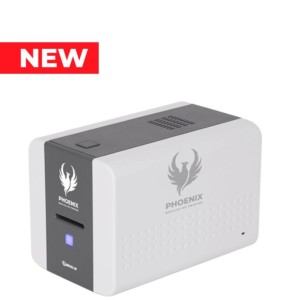
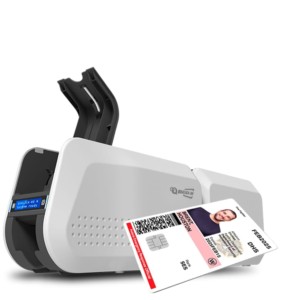
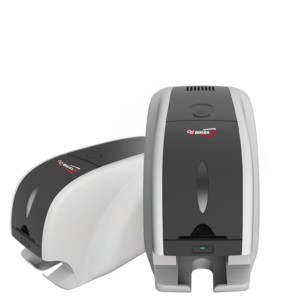
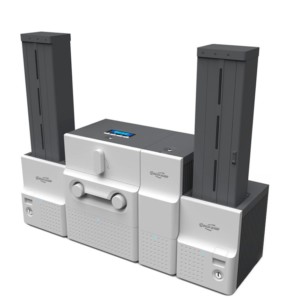
The best solution for printing cards and ID badges. Request a free quote! The most popular models of PVC card printers are available immediately. Membership cards, ID cards.
Sublimation Card Printers: The Best Choice for Your Creative Projects
Sublimation Card Printers are indispensable tools for those seeking high-quality printing results. Designed specifically to transfer designs onto materials such as textiles, ceramics, or metals, these printers are ideal for both entrepreneurs and large companies. In this category, you’ll find a selection of Sublimation Card Printers that combine advanced technology with ease of use.What is a Sublimation Card Printer?
A sublimation card printer uses a thermal process to transfer ink to a material using heat and pressure. This method ensures durable, high-definition prints, perfect for customizing products such as T-shirts, mugs, phone cases, and more. There are two main types: Ink-sublimation card printers: These use special ink that turns into gas when heat is applied, fusing with the material. Thermal sublimation card printers: These work by transferring a layer of solid ink to the material, providing precise and vibrant finishes.Advantages of Sublimation Card Printers
Sublimation card printers stand out for their ability to produce high-quality prints with vibrant, long-lasting colors. Among their most significant benefits are:- Durability: The prints do not fade easily, making them ideal for products that require resistance to wear and tear.
- Vivid and detailed colors: Thanks to the sublimation process, colors are sharper and more vibrant.
- Versatility: They allow you to work with a variety of materials, such as textiles, plastics, and ceramics.
- Unlimited customization: Ideal for product customization businesses.
How to Choose the Best Sublimation Card Printer?
When choosing a sublimation card printer, it’s crucial to consider your specific needs. Here are some key factors:1. Material Type
Determine the materials you’ll be working with. Some printers are optimized for textiles, while others specialize in rigid products like mugs or metal plates.2. Print Resolution
Print quality is essential for detailed projects. Look for models with a minimum resolution of 300 dpi to achieve professional results.3. Size and Speed
If you handle large print volumes, choose a printer with higher speed and continuous operation capabilities. Compact models are ideal for small businesses or home use.Top Brands of Sublimation Card Printers
There are several brands on the market that stand out for their quality and reliability. Some of the most popular are:- Epson: Known for its versatile and user-friendly models.
- Ricoh: Specializes in high-end sublimation card printers for professional use.
- Sawgrass: A leader in sublimation technology with innovative solutions.
- requently Asked Questions About Sublimation Card Printers.
Comparison of Printing Solutions and Cards Compatible with Sublimation
In identification and Access Control environments, sublimation technology is primarily used to personalize PVC cards, RFID credentials, or ID cards using specialized printers. Depending on the type of card, print volume, and required security level, there are various solutions that combine printers, substrates, and complementary technologies. The following table summarizes the main options related to sublimation printing used in credential and plastic card systems, taking into account their applications, advantages, and the types of projects for which they are typically used.| Product / Type | Printing Technology | Typical Use | Main Advantages | Limitations |
|---|---|---|---|---|
| Standard PVC Cards | Direct Dye-Sublimation | Employee badges, ID cards, loyalty cards | Low cost, fast printing, good color quality | May leave a small unprinted border |
| RFID / NFC Cards | Sublimation or Retransfer | Access control, hotels, transportation | Contactless identification with graphic personalization | Require printers compatible with embedded chips |
| Magnetic Stripe Cards | Direct Sublimation | Membership cards, legacy access systems | Easy integration with existing systems | Lower security compared to RFID |
| Contact Chip Cards | Retransfer or Compatible Sublimation | Corporate or government identification | High security and data storage capability | Higher production cost |
| Card Sublimation Printers | Direct Thermal Sublimation | In-house credential production | Fast printing, low maintenance, photo-quality results | Limited edge-to-edge coverage |
| Retransfer Printers | Thermal Retransfer | Premium cards, chip cards | Full edge-to-edge printing and higher durability | Higher cost per printed card |