
Business Hours: Monday to Thursday: 7:00 AM – 3:00 PM (Support until 5:00 PM) | Friday: 7:00 AM – 3:00 PM (Support until 2:30 PM)
(+34) 957 326 107
Business Hours: Monday to Thursday: 7:00 AM – 3:00 PM (Support until 5:00 PM) | Friday: 7:00 AM – 3:00 PM (Support until 2:30 PM)
Copyright © 2025 Qualicard. All Rights Reserved.


Technical Support
Sublimation Card Printers
Categories
Discover the transformative power of sublimation printers at Qualicard, where quality and innovation meet to take your creative projects to new heights. Our card printers for sublimation are designed to deliver exceptional results, with vibrant colors and precise details that will bring your designs to life. Perfect for businesses looking to expand their offering of personalized products, from t-shirts to promotional items. Take advantage of cutting-edge technology that ensures durability and efficiency, turning every print into a work of art.Catalog of Card Printers for Sublimation
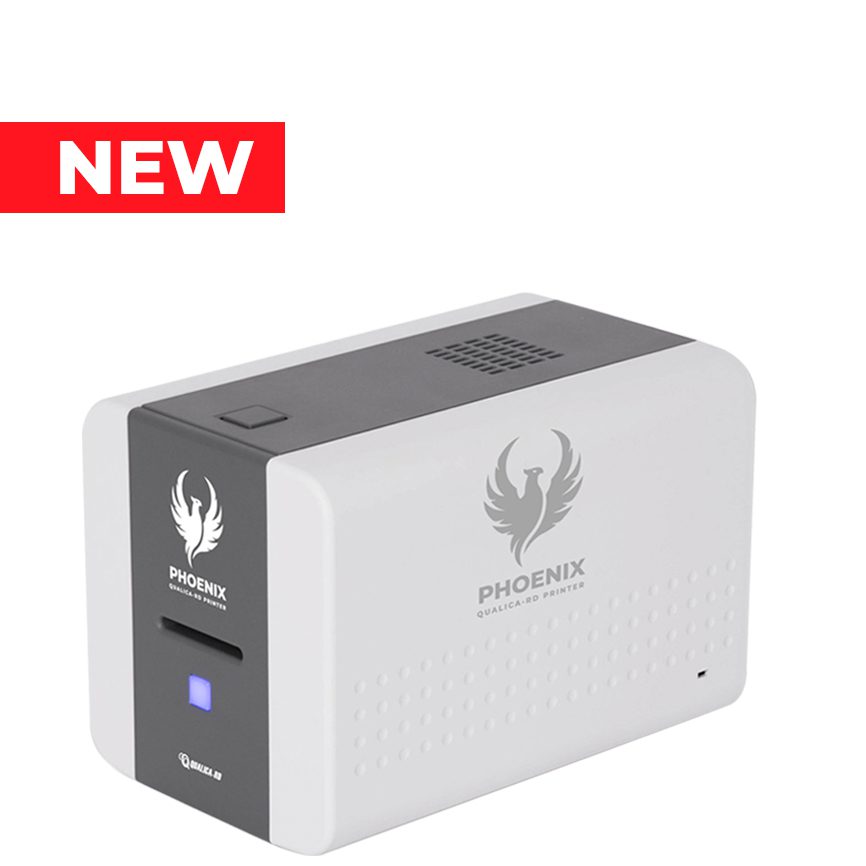
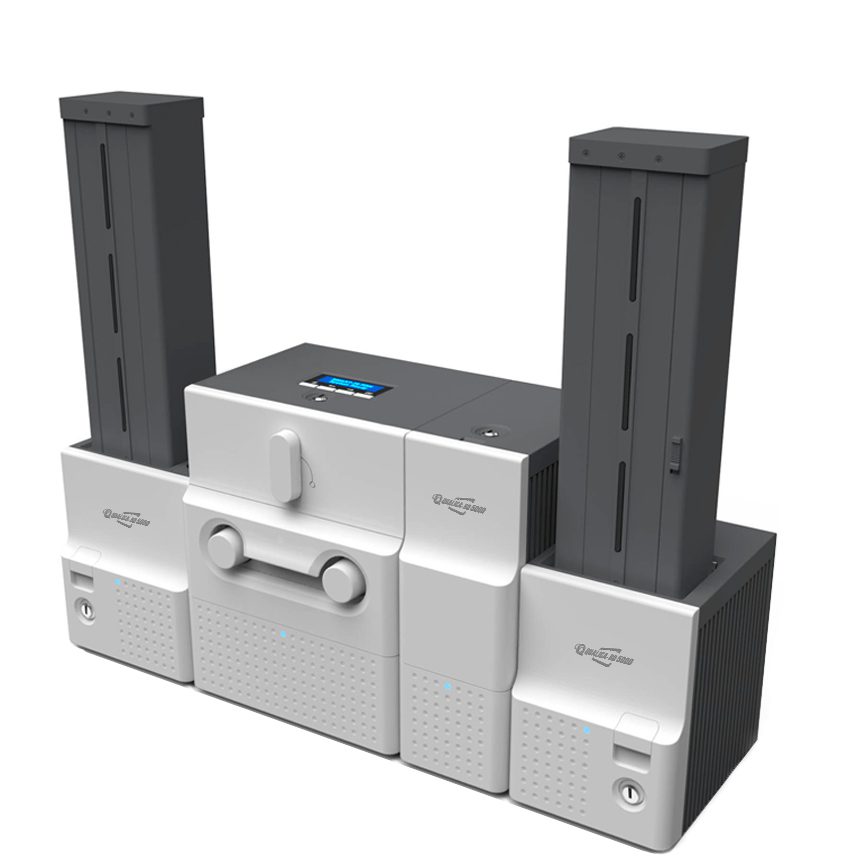
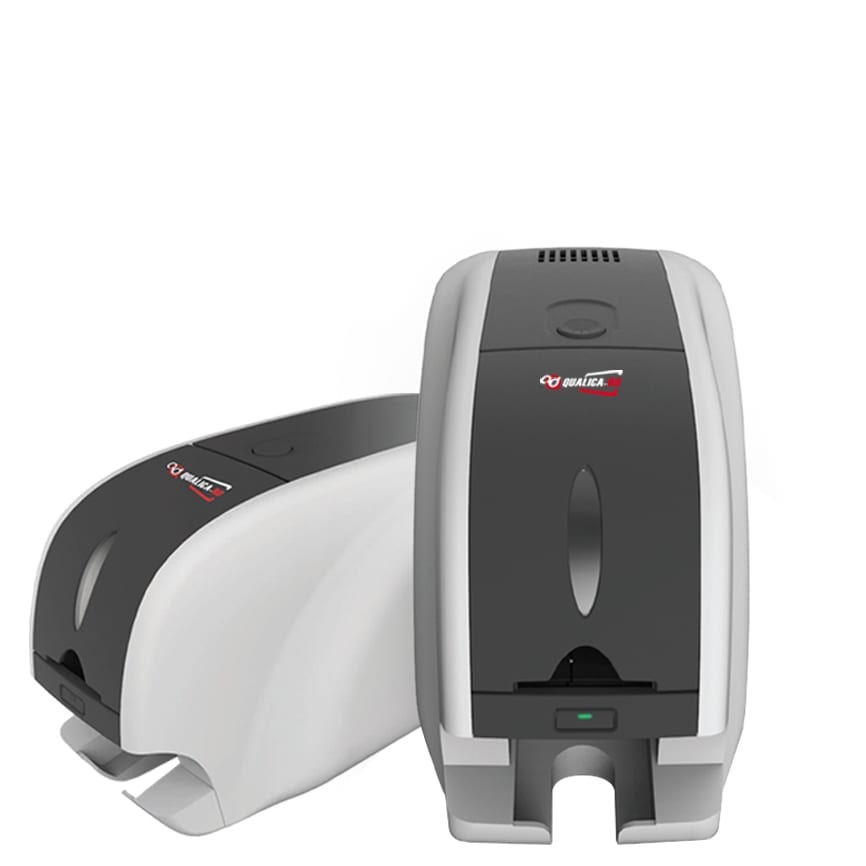
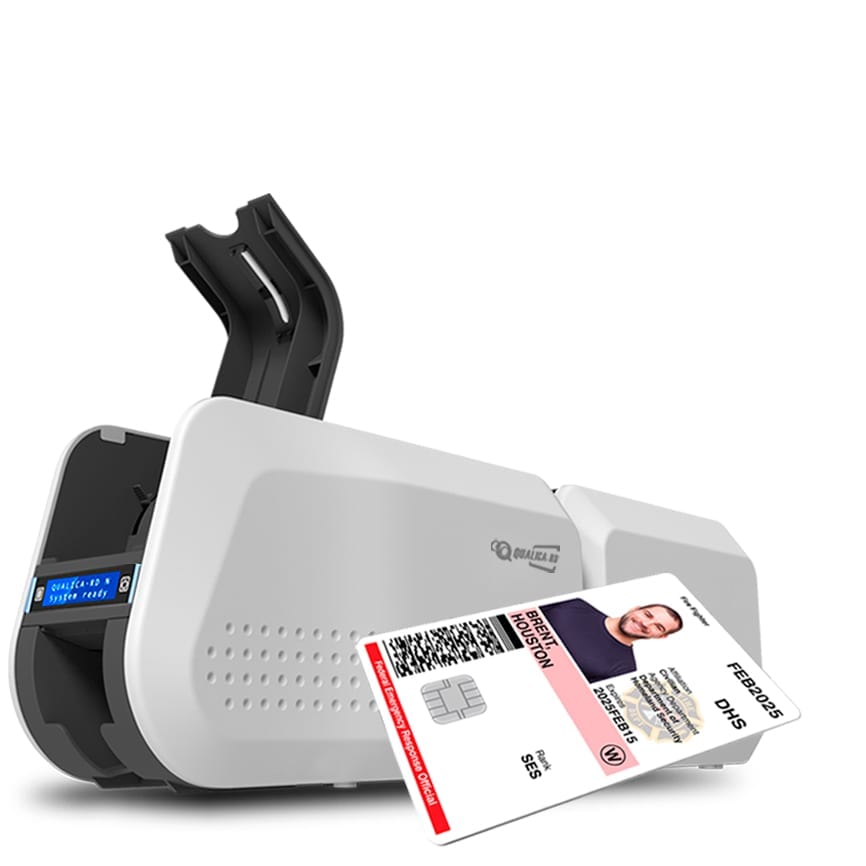
The best solution for printing cards and badges. Request a quote without obligation! Immediate availability of the most sought-after models of PVC card printers. Membership cards, identification cards.
Card Printers for Sublimation: The Best Option for Your Creative Projects
Card Printers for Sublimation are essential tools for those seeking high-quality results in printing. Specifically designed to transfer designs onto materials such as textiles, ceramics, or metals, these printers are ideal for both entrepreneurs and large companies. In this category, you will find a selection of Card Printers for Sublimation that combine advanced technology and ease of use.
What is a Card Printer for Sublimation?
A Card Printer for Sublimation uses a thermal process to transfer ink onto a material through heat and pressure. This method ensures durable, high-definition prints, perfect for personalizing products such as t-shirts, mugs, phone cases, and more.
There are two main types:
Ink Card Printers for Sublimation: Use special ink that turns into gas when heat is applied, fusing with the material.
Thermal Card Printers for Sublimation: Operate by transferring a layer of solid ink onto the material, providing precise and vibrant finishes.
Advantages of Card Printers for Sublimation
Card Printers for Sublimation stand out for their ability to produce high-quality prints with vibrant and durable colors. Some of their most important benefits include:
- Durability: Prints do not fade easily, making them ideal for products that require wear resistance.
- Vivid and detailed colors: Thanks to the sublimation process, colors are sharper and more vibrant.
- Versatility: Allow working with various materials, such as textiles, plastics, and ceramics.
- Unlimited personalization: Ideal for businesses that personalize products.
How to Choose the Best Card Printer for Sublimation?
When choosing a Card Printer for Sublimation, it is crucial to consider your specific needs. Here are some key factors:
1. Type of Material
Determine the materials you will be working with. Some printers are optimized for textiles, while others specialize in rigid products like mugs or metal plates.
2. Print Resolution
Print quality is essential for detailed projects. Look for models with a minimum resolution of 300 dpi to achieve professional results.
3. Size and Speed
If you handle large volumes of printing, choose a printer with higher speed and continuous work capacity. Compact models are ideal for small businesses or home use.
Top Brands of Card Printers for Sublimation
There are various brands in the market that stand out for their quality and reliability. Some of the most popular include:
- Epson: Known for its versatile and easy-to-use models.
- Ricoh: Specialized in high-end Card Printers for Sublimation for professional use.
- Sawgrass: Leader in sublimation technology with innovative solutions.
Frequently Asked Questions about Card Printers for Sublimation.
Comparison of printing solutions and cards compatible with sublimation
In identification and access control environments, sublimation technology is primarily used to personalize PVC cards, RFID credentials, or identification cards through specialized printers. Depending on the type of card, print volume, and required security level, there are different solutions that combine printers, media, and complementary technologies.
The following table summarizes the main options related to sublimation printing used in credential systems and plastic cards, considering their applications, advantages, and the types of projects for which they are typically employed.
| Product / Type | Printing Technology | Common Use | Main Advantages | Limitations |
|---|---|---|---|---|
| Standard PVC Cards | Direct sublimation | Employee badges, accreditations, loyalty cards | Low cost, fast printing, good color quality | May leave a small unprinted border |
| RFID / NFC Cards | Sublimation or retransfer | Access control, hotels, transportation | Allow contactless identification and graphic personalization | Require printers compatible with chip |
| Magnetic Stripe Cards | Direct sublimation | Membership cards, legacy access systems | Easy integration with old systems | Lower security compared to RFID |
| Contact Chip Cards | Retransfer or compatible sublimation | Corporate or government identification | High security and data storage | Higher production cost |
| Sublimation Printers for Cards | Direct thermal sublimation | In-house credential production | Speed, low maintenance, photographic quality | Less coverage on edges |
| Retransfer Printers | Thermal retransfer | Premium cards, cards with chip | Full edge-to-edge coverage and greater durability | Higher cost per card |
How the sublimation process works
The process begins with printing the design using special inks on a transfer ribbon or film. Subsequently, using a specialized thermal printer, the system applies controlled temperature and pressure to transform the solid ink into gas and transfer it to the material.
During this process, the dye diffuses into the surface layers of the PVC or the polymer coating of the card. Upon cooling, the molecules are fixed within the material, generating a durable image that does not peel or come off with everyday use.
Materials compatible with sublimation
Sublimation requires materials with polymer coatings capable of absorbing the dye during the thermal process. In the card sector, the most common substrate is treated PVC, which allows the pigments to be integrated into its surface while maintaining the flexibility and structural resistance of the material.
In addition to PVC, there are also composite or laminated substrates specially prepared for thermal printing processes. These materials are used when cards incorporate additional technologies such as RFID chip, magnetic stripe, or security laminates that require compatibility with industrial printing systems.
Frequently Asked Questions about Card Printers for Sublimation
What materials are compatible with sublimation?
Sublimation works best with materials treated with a special polyester coating or surfaces prepared for this process. The most common include polyester textiles, ceramics, metals, and rigid plastics.
Is special software required to use a Card Printer for Sublimation?
Yes, most Card Printers for Sublimation require graphic design software to prepare images, such as Adobe Photoshop or CorelDRAW. Some brands also offer proprietary software.
Can I use any ink in a Card Printer for Sublimation?
No. It is essential to use sublimation inks specifically designed for these devices, as other inks will not provide the same results or function correctly.
How much does a Card Printer for Sublimation cost?
The cost varies depending on the brand, model, and capabilities. You can find entry-level printers for a few hundred euros, while professional models can exceed 1,000 euros.
Conclusion on Card Printers for Sublimation
Card Printers for Sublimation are a valuable investment for any business or project seeking quality, personalization, and durability in their prints. Explore our category to find the perfect model for your needs and take the next step towards a world of creative possibilities.
Contact Us

Please send us your questions,
We’ll be happy to assist you.Breaking news on Sublimation Card Printers
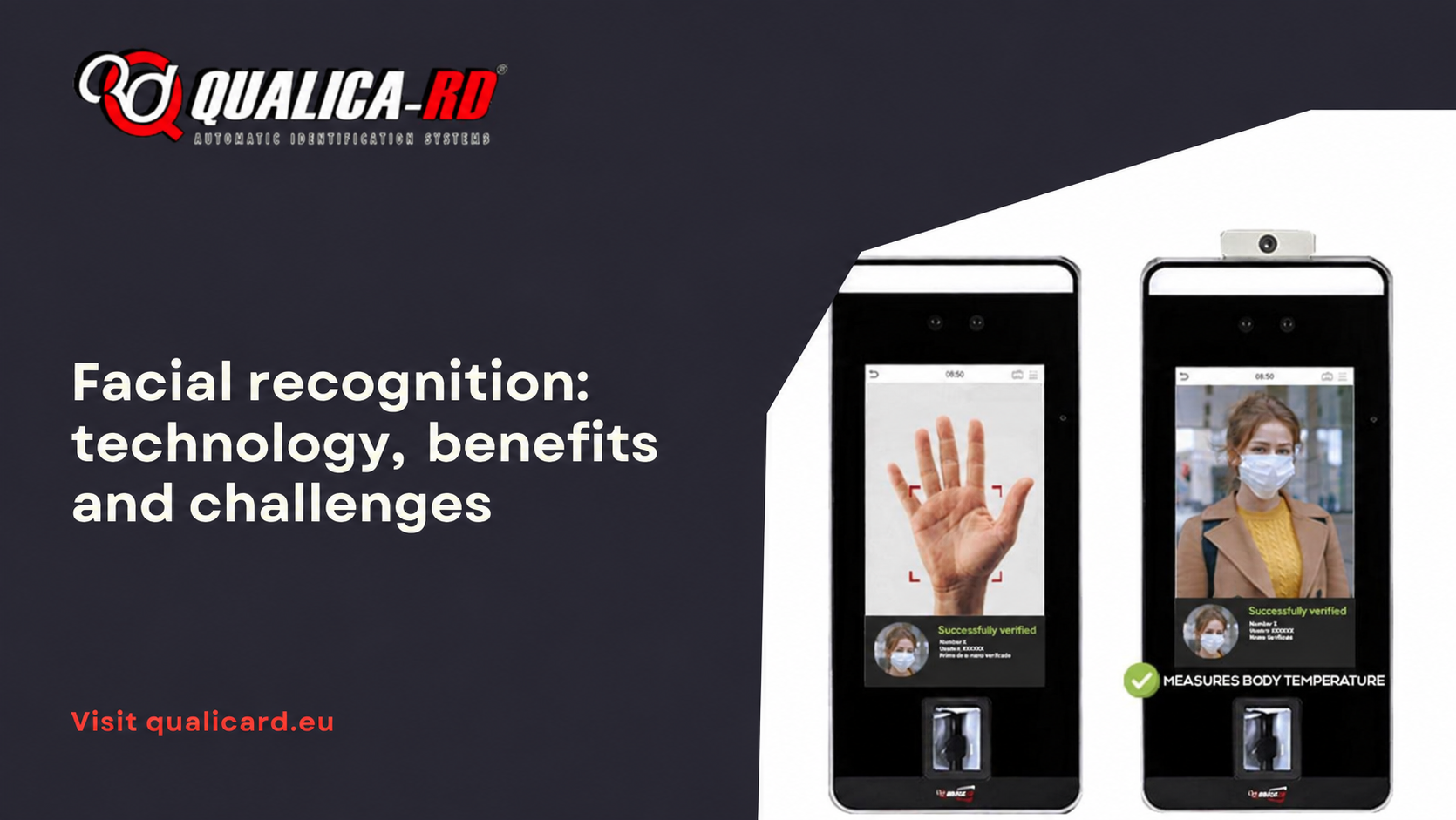
Facial Recognition: Technology, Adv…
Facial Recognition: Technology, Advantages and Challenges In an increasingl…
Read more
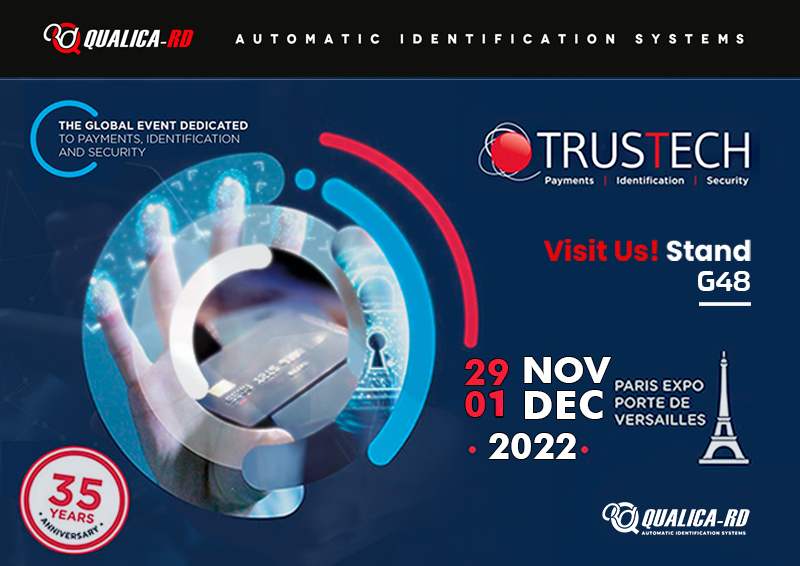
EXPO TRUSTECH 2022 – PARIS
Dear Distributors and Customers; Qualica-RD will be present at the French i…
Read more
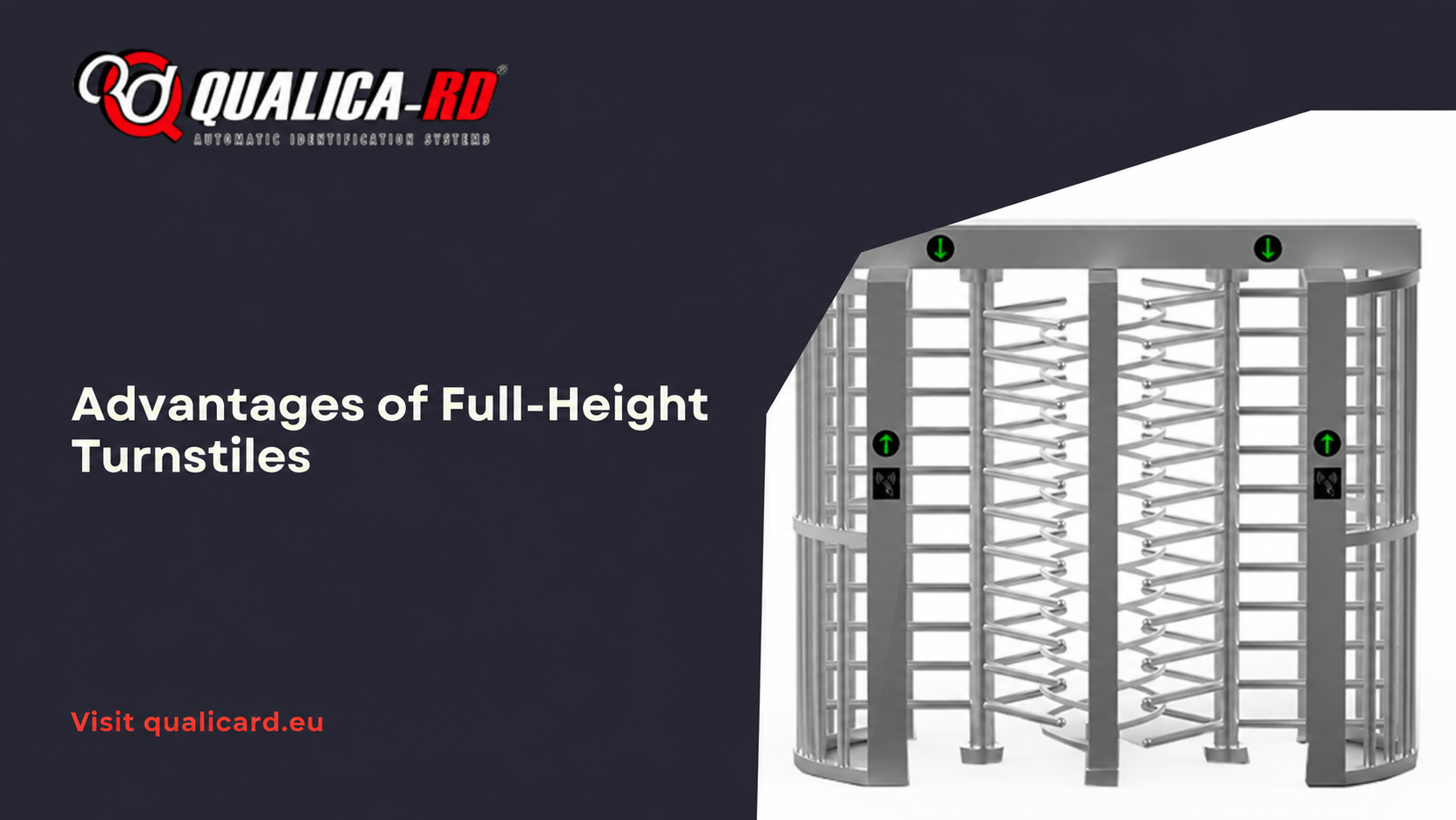
Advantages of Full-Height Turnstile…
Discover all the advantages offered by full-height turnstiles in terms of s…
Read more
Solutions for your company Sublimation Card Printers
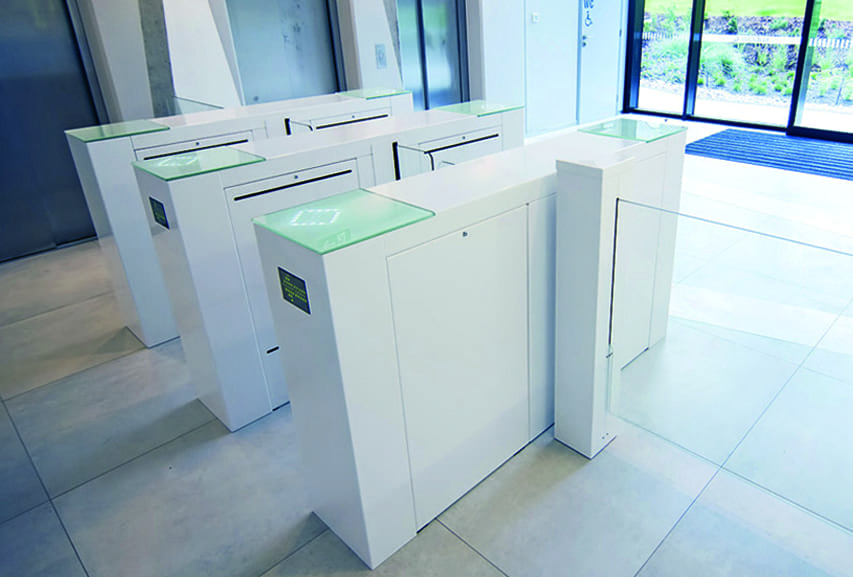
Access Control for Swimming Pools and Community Residents
View solution
Access Control for Events and Conferences
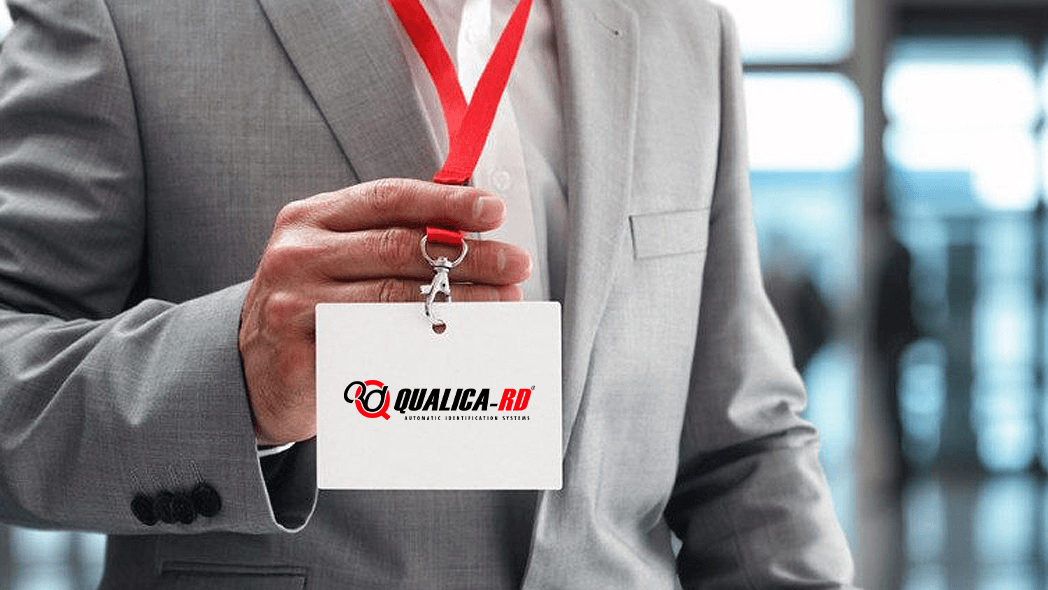
Accreditation and access control systems with RFID cards or wristbands, handheld readers, and real-time registration software to manage attendees, VIP areas, and capacities in a secure and professional manner.
View solution
Robotics and Industrial Automation
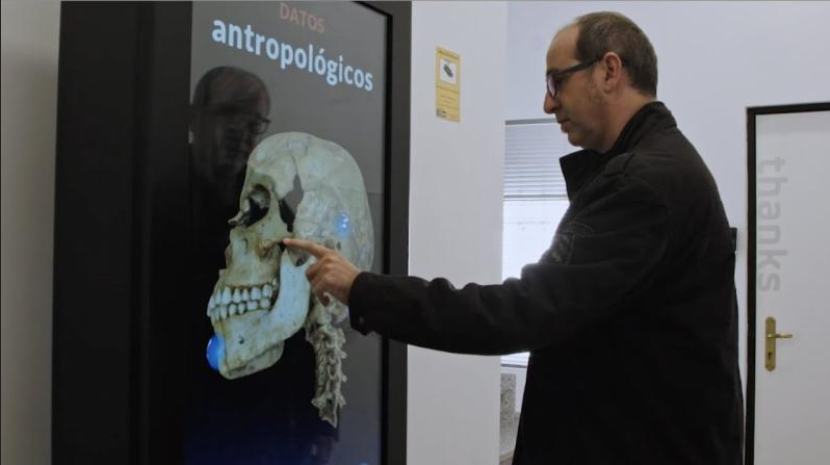
Integration of automated systems (robots, drones, or smart equipment) with automatic identification, RFID control, and management software to enable autonomous and secure operations.
View solution
Access Control for Parking Lots
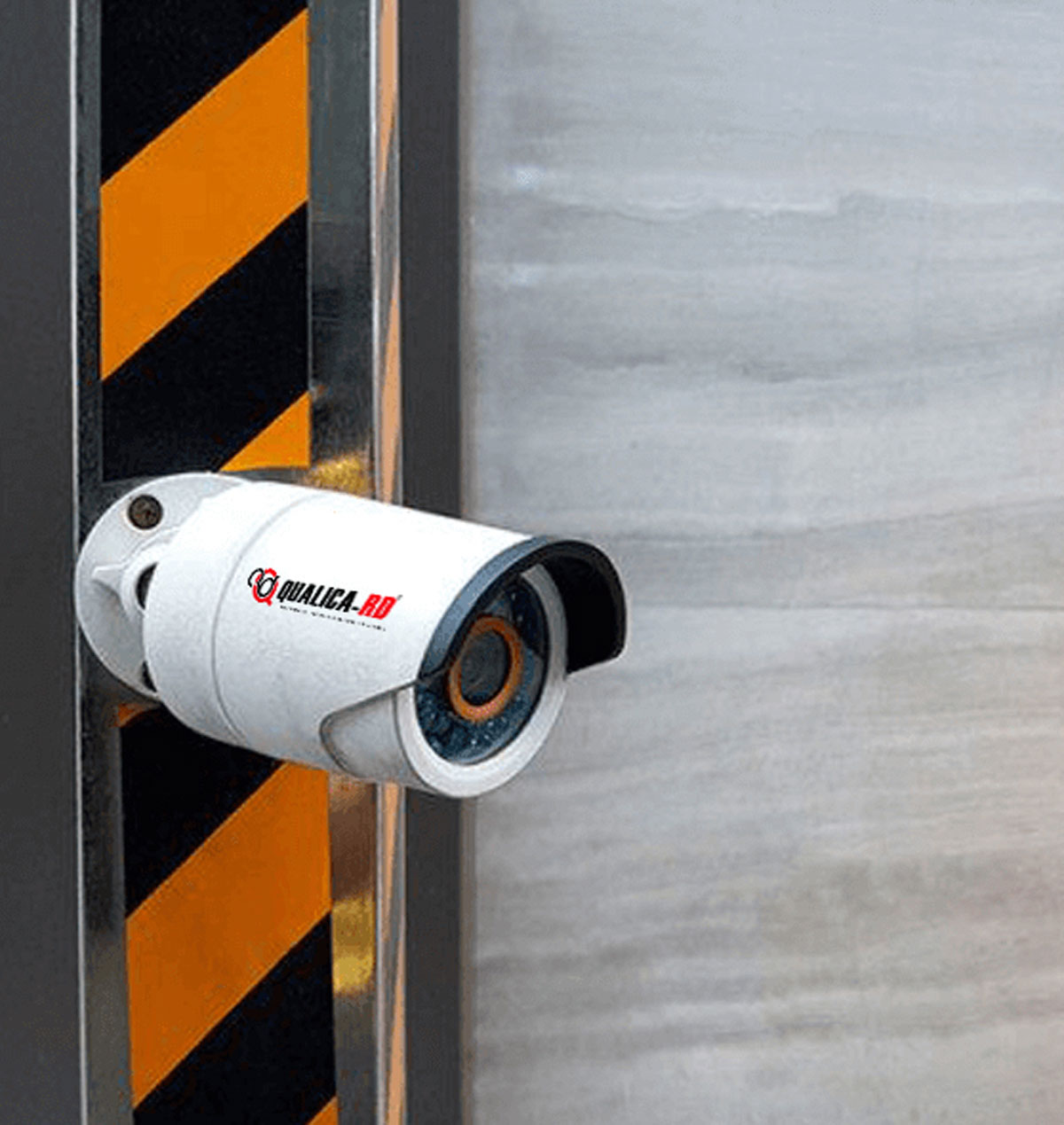
Automatic barriers, vehicle access control, RFID readers or ticket systems, to manage entry/exit flows, private areas, and effective control of parking spaces.
View solution
Stock and Retail Management
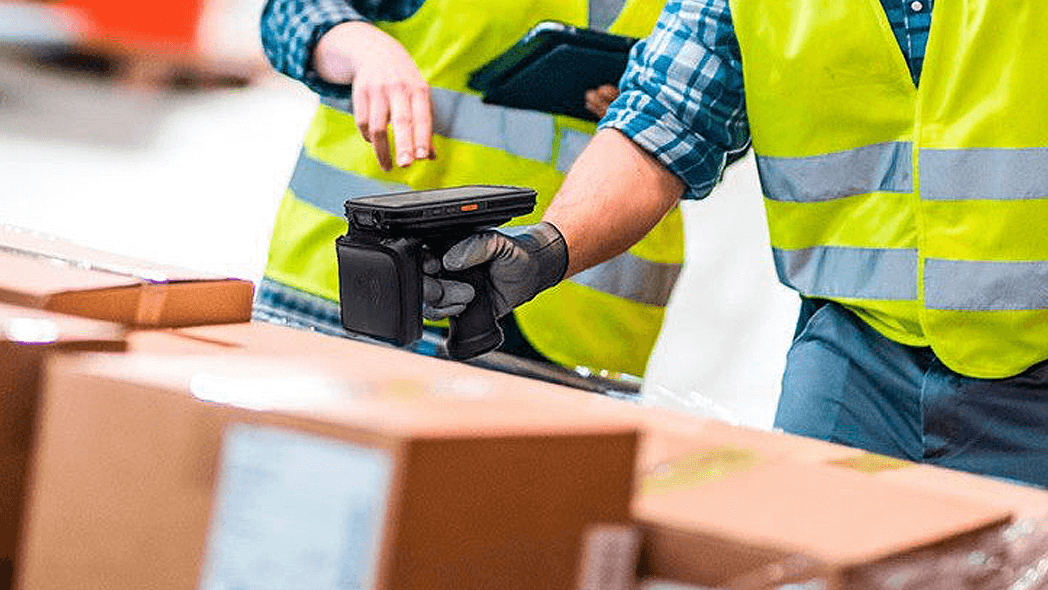
Traceability and inventory control solutions with RFID readers, barcode scanners, and rugged terminals that allow for real-time recording of movements, entries, and exits.
View solution

Access Control for Home and Residential
Slim smart locks with integrated reader and personalized access management for homes or communities, with event logging and remote access control.
View solution
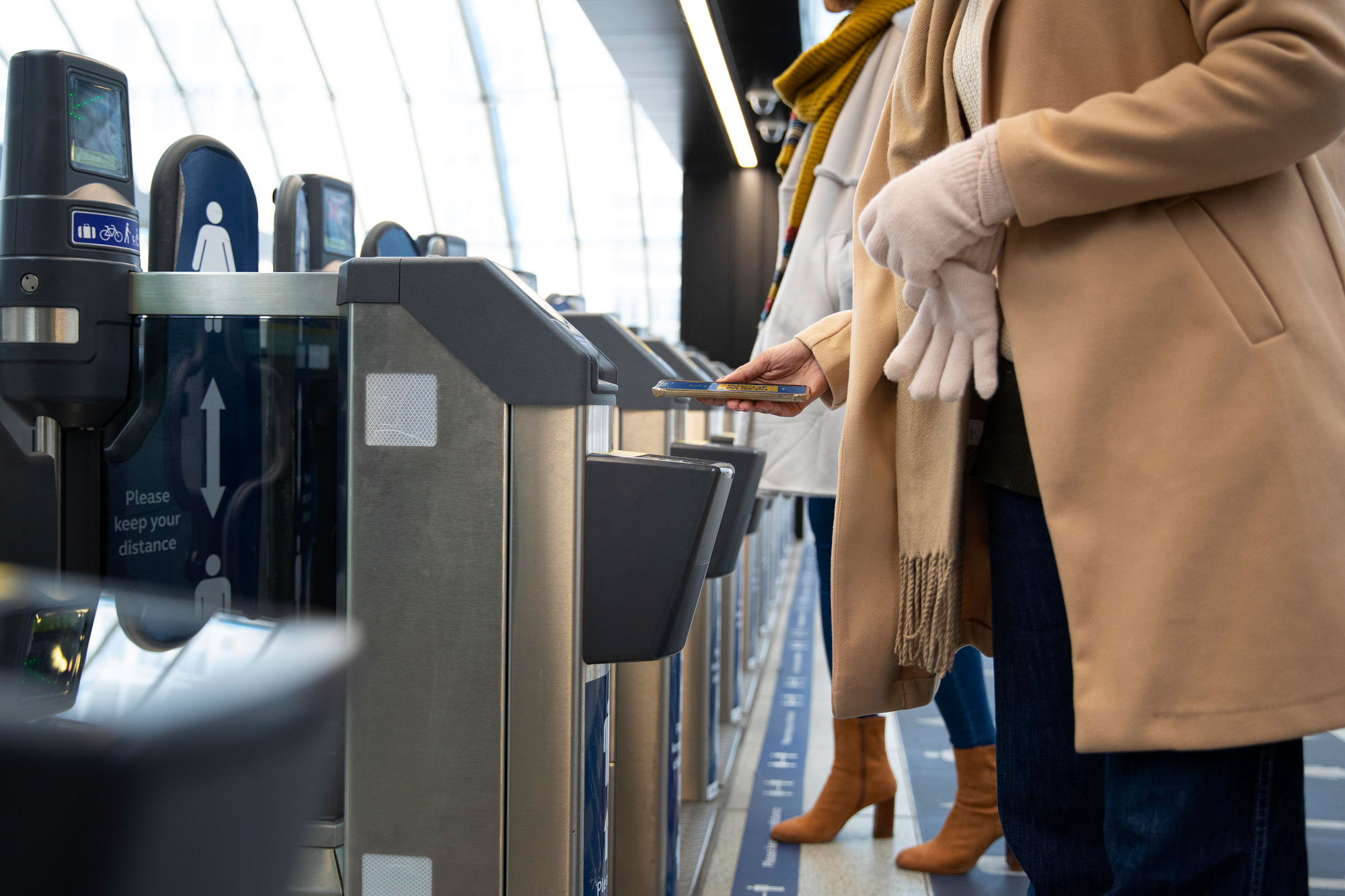
Access Control for Transport
User validation system using RFID/NFC cards or mobile readers, access control in stations, automatic doors, and corridors to manage passenger flow securely.
View solution
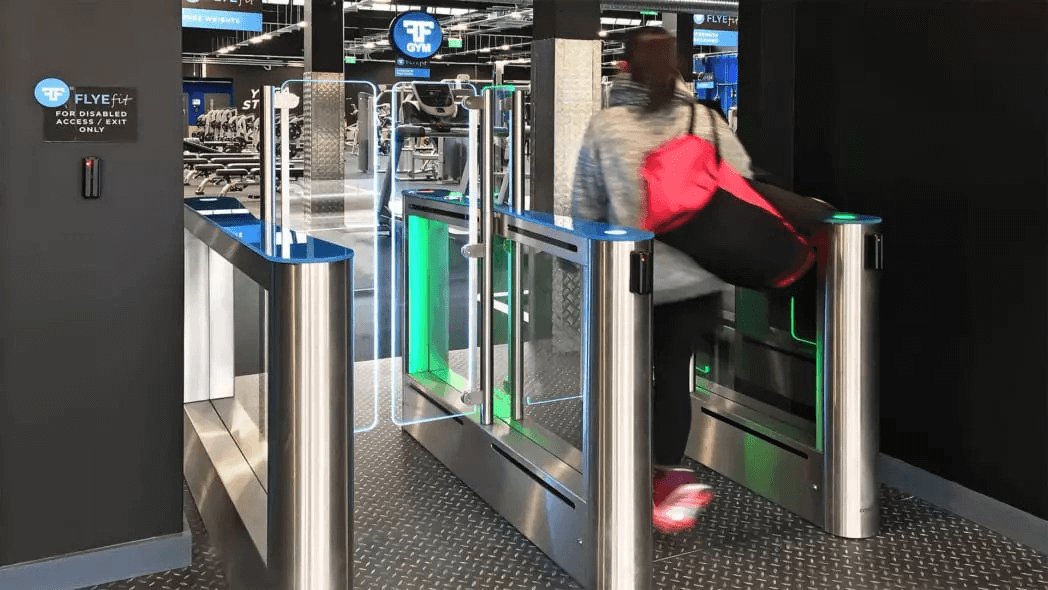
Access Control for Sports Centers
Efficient access control with turnstiles, biometric readers and RFID devices, limiting passage only to authorized members, combined with attendance records and time control.
View solution