Business Hours: Monday to Thursday: 7:00 AM – 3:00 PM (Support until 5:00 PM) | Friday: 7:00 AM – 3:00 PM (Support until 2:30 PM)
(+34) 957 326 107
Business Hours: Monday to Thursday: 7:00 AM – 3:00 PM (Support until 5:00 PM) | Friday: 7:00 AM – 3:00 PM (Support until 2:30 PM)
Copyright © 2025 Qualicard. All Rights Reserved.


Technical Support
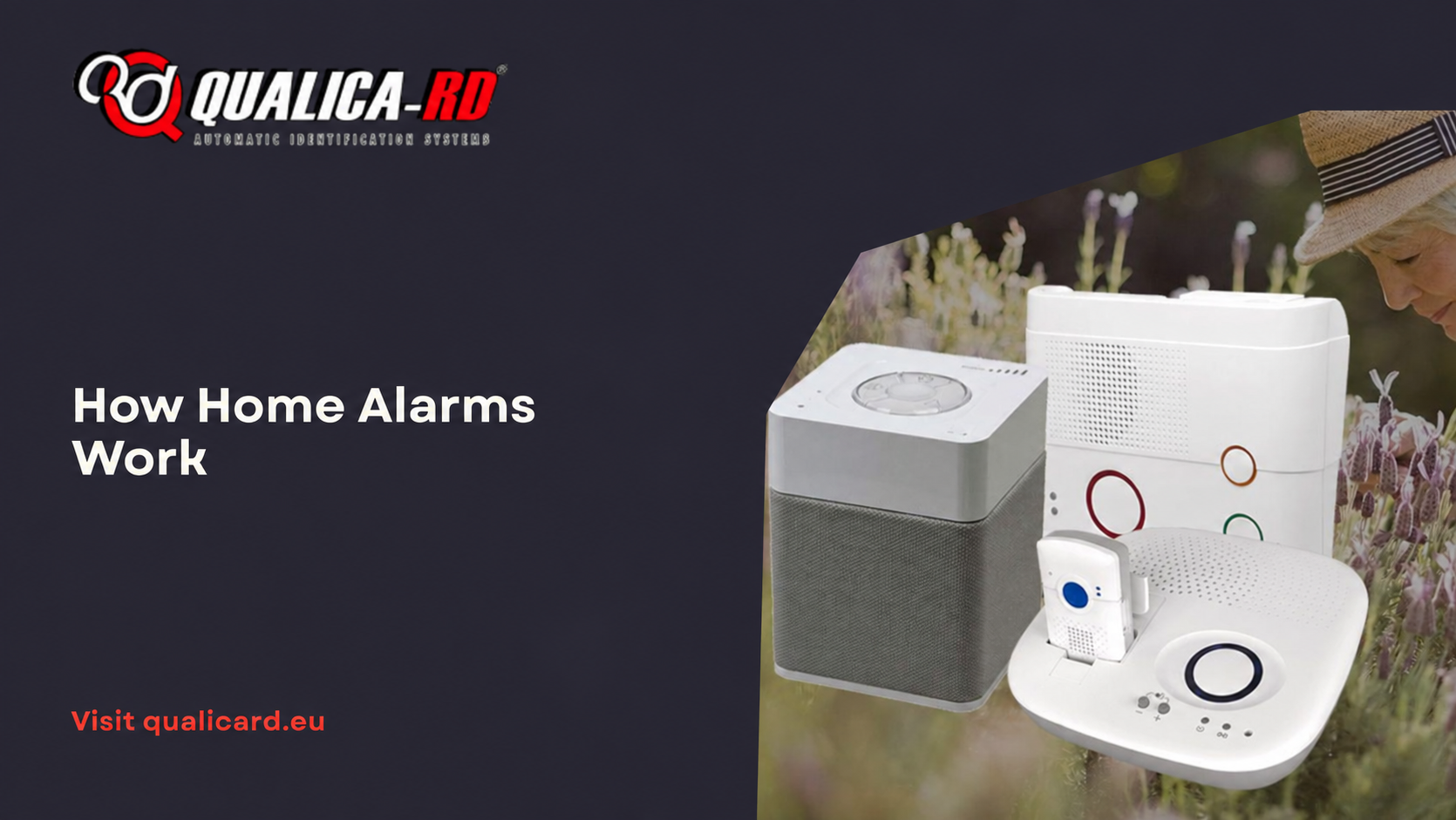
How Home Alarms Work
September 6, 2024
Understanding How Home Alarms Work
Introduction to Home Alarms: In today’s world, home security has become a priority for many people. This is why more and more families are opting to install alarm systems in their homes. These systems offer invaluable protection and provide peace of mind to residents, acting as a barrier against potential intruders. Advances in home alarm technology have allowed these devices to become increasingly sophisticated and efficient. From mobile-connected alarms that keep you informed in real-time to home alarm sensors that detect suspicious movements, the variety of available options is broad and adaptable to the needs of each home.By installing a home security alarm, an additional layer of protection is established for both the property and its inhabitants. In addition to deterring potential intruders, smart home alarms can also alert authorities in case of an emergency, providing a quick and effective response to risky situations.In summary, understanding how home alarms work is essential to ensure safety and peace of mind at home. From the installation of sensors to integration with smart technology, knowing the different aspects of these systems will help you make informed decisions to protect your home and loved ones.
Basic Principles of Alarm Functionality
The basic principles of alarm functionality focus on detecting intrusions and activating alerts to prevent risky situations at home. These systems typically consist of an alarm control panel, which acts as the brain of the system, and various sensors distributed at strategic points throughout the home, functioning as the eyes and ears of the system. Common types of sensors in home alarms include motion sensors, door and window opening sensors, and smoke detectors, among others. These devices work together to detect any unusual activity and activate the alarm in case of intrusion or emergency, thus ensuring greater protection for the home and its occupants.The integration of smart technology in home alarms has revolutionized how these systems operate. From the ability to monitor home security remotely to receiving real-time notifications on your mobile device, smart alarms offer an additional layer of protection and control for users, significantly improving home security.
The Alarm Control Panel: The Brain of the System
The alarm control panel is the key component that serves as the brain of the home security system. This central unit is responsible for receiving signals from the sensors installed in the home and activating the corresponding alerts in case of detecting an intrusion or emergency situation. It is essential that the alarm control panel is located in a safe and protected place to ensure its optimal functioning at all times. The technology of alarm control panels has evolved considerably, offering advanced functions such as real-time communication with users’ mobile devices, allowing for remote monitoring and a quick response to any eventuality. Additionally, some alarm control panels come with battery backup systems to maintain their operability in case of power outages.In addition to coordinating the operation of sensors and detectors, the alarm control panel can also be connected to external monitoring services, which will alert the relevant authorities in case of alarm activation. In this way, the alarm control panel becomes a fundamental piece in the home security system, ensuring effective protection and a quick response to any risky situation.
Sensors and Detectors: The Eyes and Ears
Sensors and detectors play a vital role in the functioning of home alarms, acting as the eyes and ears of the security system. These devices are designed to detect any unusual activity or intrusion in the protected environment and send a signal to the alarm control panel for processing and activation of the corresponding security measures. Sensors can be of various types, such as motion sensors, door and window opening sensors, and temperature sensors, each fulfilling a specific function in threat detection. The strategic installation of sensors and detectors in different areas of the home ensures complete coverage and effective detection of any intrusion. These devices use advanced technology to interpret changes in the environment and activate the alarm accurately and promptly, thus providing solid protection for the home and its inhabitants.By integrating alarm sensors in the home, a protective network is established capable of detecting and responding to risky situations automatically. The combination of different types of sensors and coordination with the alarm control panel ensures total security, providing peace of mind and confidence to the residents of the home at all times.
Common Types of Sensors in Home Alarms
In the context of home alarms, there are various common types of sensors that perform specific functions to ensure effective detection of intruders and risky situations in the home. One of the most commonly used sensors is the motion sensor, which detects changes in the environment by perceiving unusual movements within its field of vision. This type of sensor is ideal for areas such as hallways or living rooms, where the presence of movement may indicate the presence of intruders. Another common sensor in home alarms is the door and window opening sensor, which activates when it detects that a door or window has been opened without authorization. This type of sensor is essential for protecting the entrances and exits of the home, alerting about possible intrusion attempts.Additionally, smoke detectors are essential for fire safety in the home. These sensors detect the presence of smoke in the environment and activate the alarm in case of detecting a possible fire situation, allowing residents to take preventive measures in time.
Types of Alarm Systems for the Home
There are various types of alarm systems for the home that adapt to the needs and preferences of each user. One of the most common systems is the connected alarm system, which allows remote communication with the monitoring center and control of the alarm through mobile devices. This type of system provides greater flexibility and control to the user, allowing them to stay informed at all times about the security of their home. On the other hand, standalone alarms are independent systems that do not require an external connection to function. These systems are simpler to install and usually include basic functions for detecting intruders, sound and visual alerts, and in some cases, communication with neighbors or local authorities in case of emergency.The integration of alarm systems for the home with smart technology is a growing trend. These systems allow for the automation of security tasks, such as access control, remote activation and deactivation of the alarm, and integration with other smart home devices, thus offering more complete and personalized protection.
Connected Alarms and Standalone Alarms
Connected alarms offer greater interaction and control for users, as they allow connection through mobile devices to monitor the status of the alarm in real-time and receive instant notifications in case of activation. This remote connectivity provides peace of mind to homeowners by keeping them informed and allowing them to take quick action in case of emergency. On the other hand, standalone alarms are independent systems that operate autonomously without the need for an external connection. These systems are ideal for those seeking a simple and effective security solution that does not require complicated installations or configurations. Connected alarms stand out for their ability to integrate with other smart home devices, allowing for unified security management and offering customization options according to user needs. On the other hand, standalone alarms are a more traditional and straightforward option that fulfills its primary function of protecting the home without requiring complex configurations.Both types of alarm systems for the home have their own advantages and particular characteristics, so the choice between connected alarms and standalone alarms will depend on the preferences and needs of each user in terms of ease of use, level of customization, and effectiveness in home protection.
Integration with Smart Technology in the Home
The integration with smart technology in the home has revolutionized how alarms function and are managed. By linking alarms with smart devices such as voice assistants, security cameras, and home automation systems, an integrated security ecosystem is created that allows for centralized monitoring and control. This integration enables actions such as activating or deactivating the alarm, receiving real-time notifications, and visualizing the status of home security from any location. The benefits of integrating alarms with smart technology include greater convenience, efficiency, and security for residents. The ability to monitor and control the security system from mobile devices or through voice commands provides a personalized and adaptable security experience tailored to the specific needs of each home.Additionally, integration with smart technology allows for the automation of security tasks, such as turning on lights when motion is detected, automatically closing blinds when the alarm is activated, or playing ambient sounds to simulate the presence of people in the home. These functionalities enhance the effectiveness of the security system and help deter potential intrusions.
Process of Installing Security Alarms
The process of installing security alarms is fundamental to ensure their proper functioning and optimize home protection. Typically, the installation begins with a detailed evaluation of the home to determine the strategic points where sensors and the alarm control panel will be located. This prior planning is essential to ensure effective coverage and accurate detection of potential intruders or emergency situations. Once the distribution of the security system components is established, the physical installation of the sensors, detectors, and the alarm control panel is carried out in the designated locations. It is important to follow the manufacturer’s instructions and have trained personnel to ensure that each component is correctly installed and connected.After the physical installation, the configuration and commissioning of the system are performed, which includes programming security zones, configuring alarms and notifications, and synchronizing with smart devices if necessary. Once the installation process is complete, functionality tests are conducted to verify that the system responds appropriately to simulated intrusion or emergency situations, thus ensuring the effectiveness and reliability of the installed security alarm.
Choosing the Appropriate System
To ensure adequate protection for your home, it is essential to make a selection of the appropriate alarm system that adapts to your needs and the specific characteristics of your home. Before making a decision, it is important to evaluate factors such as the size of the property, the desired level of security, and any additional functionalities required, such as integration with smart devices or remote monitoring. This evaluation will help you identify which alarm system best fits your requirements. Additionally, it is advisable to consider aspects such as the manufacturer’s reputation, the durability of the equipment, customer service, and the guarantees offered. Opting for an alarm system from a recognized brand with experience in the sector can provide you with greater peace of mind and confidence in the protection of your home.The choice of the appropriate alarm system should also take into account the possibility of future expansions or upgrades, to ensure that the system can adapt to your changing needs over time. It is also advisable to consult with security professionals or companies specialized in alarm systems to obtain personalized advice and ensure that you select the most suitable option to effectively protect your home.
Professional Installation vs. Do-It-Yourself
The installation of an alarm system can be done in two ways: professionally by hiring the services of specialized installers or as a DIY project. If you opt for professional installation, you ensure the correct configuration and placement of the system components, as well as optimizing their functioning. Professional installers have the experience and knowledge necessary to carry out an efficient and safe installation. On the other hand, the “do-it-yourself” installation offers the advantage of being able to adapt the process to your own timing and needs, as well as representing a cost-saving by not requiring external services. However, it is essential to follow the manufacturer’s instructions to the letter and have the appropriate tools to ensure a correct installation and optimal operability of the alarm system.The decision between professional installation and self-installation will depend on factors such as the complexity of the system, the availability of time and resources, and your level of comfort and confidence in your skills to carry out the installation effectively. Whichever option is chosen, the important thing is to ensure that the alarm system is correctly installed and functions optimally to provide the desired security at home.
Benefits of Having a Home Alarm System
Having a home alarm system offers a series of benefits that contribute to improving the security and peace of mind of residents. One of the main benefits is the ability to prevent intrusions and act as an effective deterrent against potential intruders, providing a sense of protection and security at home. Additionally, home security alarms offer a quick and effective response in case of detecting emergency situations, allowing inhabitants to act promptly and safely. Furthermore, having a home alarm system adds value to the property, increasing its perceived level of security and its appeal to potential buyers in the real estate market. Likewise, the installation of home security alarms can result in potential discounts on homeowners’ insurance, as it reduces the risk of theft and property damage, translating into long-term savings for homeowners.Another significant benefit of having a home alarm system is the peace of mind it provides to residents, especially those who spend long periods away from home. Knowing that the home is protected and monitored 24/7 generates a sense of security and well-being, allowing inhabitants to enjoy their daily lives with greater peace of mind and confidence in the safety of their environment.
Prevention of Invasions
The prevention and deterrence of invasions is one of the most notable benefits of having a home alarm system. The visible presence of home security alarms acts as an effective deterrent for potential intruders, who are more likely to avoid properties protected with visible security systems. This preventive measure helps reduce the likelihood of intrusion and protects the home and its inhabitants from potential risky situations. In addition to preventing intrusions, alarm systems offer the ability to detect intrusions at early stages, allowing for a quick and effective response. When the alarm is activated in suspicious situations, both inhabitants and the relevant authorities are alerted, which helps deter intruders and minimize potential damage.The prevention and deterrence function of home security alarms is crucial for protecting the home and its occupants. By providing an additional layer of security and constant monitoring, alarm systems become a fundamental element in ensuring peace of mind and protection of the property against potential external threats.
Peace of Mind and Added Value to Your Property
Having a home alarm system not only provides security but also adds value to the property by offering additional peace of mind and protection to residents. The sense of security that a home security alarm system provides is invaluable, as it allows inhabitants to live with greater confidence and peace of mind, knowing that their home is protected 24/7. This peace of mind translates into a more relaxed and comfortable environment for the entire family. In addition to the emotional aspect, the presence of an alarm system can increase the commercial value of the property. Potential buyers often positively value homes equipped with security systems, which can result in higher demand and the possibility of obtaining a better selling price in the real estate market. Thus, investing in an alarm system not only translates into security but also into an asset that can add economic value to the property.In summary, the combination of emotional peace of mind and added value to the property makes the installation of an alarm system a wise decision for any homeowner. Enjoying the protection and security that a home alarm system provides not only improves the quality of life for inhabitants but also contributes to enhancing the attractiveness and valuation of the home in the real estate market.
Conclusion
In conclusion, it is evident that understanding how home alarms work and the different types of systems available is fundamental to ensuring the security and protection of the home and its inhabitants. Installing an alarm system can provide a series of benefits, ranging from preventing intrusions and deterring potential intruders to the peace of mind it offers residents knowing that their home is protected 24/7. Additionally, the integration of smart technology in alarm systems allows for more efficient and personalized management of home security, offering advanced functions for remote control and monitoring. Whether opting for professional installation or carrying out the installation yourself, selecting the appropriate alarm system and correctly configuring it are crucial aspects to ensure its effectiveness and reliability in the long term. Ultimately, investing in an alarm system not only contributes to protecting the property and its inhabitants but can also add economic value to the home and improve the quality of life for its residents.
Share
Related News
-

-
 Types of barcodes 24 Apr
 -
 What is PDA in Spain? 05 Apr

How to choose an industrial ruggedized terminal: 2026…
An industrial ruggedized terminal is not a “reinforced” mobile phone: it is…
Go to Post

Types of barcodes
Types of barcodes: a complete guide to understanding their uses and characteristics…
Go to Post