
Business Hours: Monday to Thursday: 7:00 AM – 3:00 PM (Support until 5:00 PM) | Friday: 7:00 AM – 3:00 PM (Support until 2:30 PM)
(+34) 957 326 107
Business Hours: Monday to Thursday: 7:00 AM – 3:00 PM (Support until 5:00 PM) | Friday: 7:00 AM – 3:00 PM (Support until 2:30 PM)
Copyright © 2025 Qualicard. All Rights Reserved.


Technical Support
What is PDA in Spain?
April 5, 2026
What is PDA in Spain? Complete guide on how it works, uses, and advantages
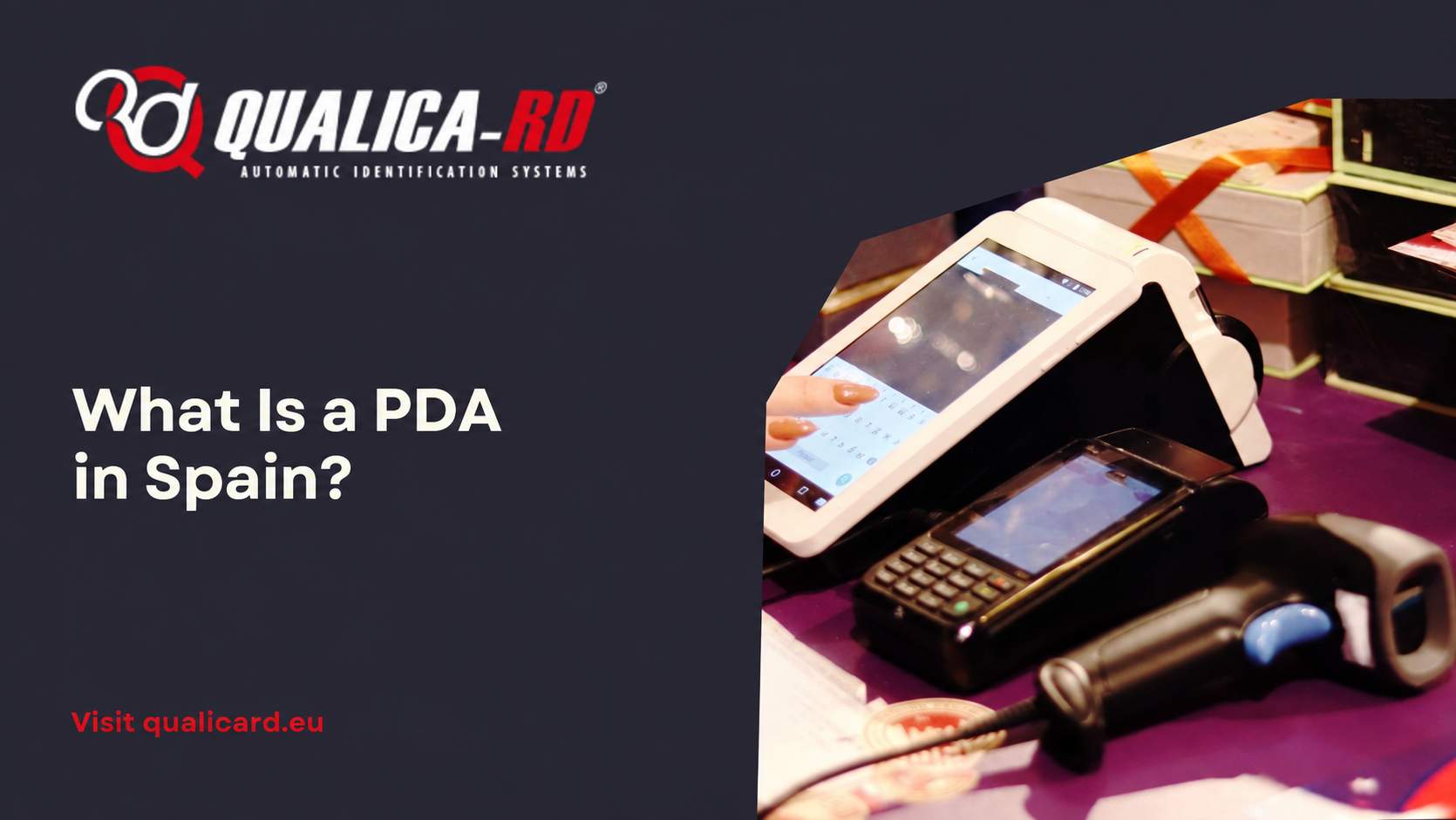
In today’s technological and business context, understanding what PDA in Spain means is essential to optimize processes, improve productivity, and ensure greater control across different sectors. PDAs (Personal Digital Assistants) have evolved considerably, becoming key tools in areas such as logistics, retail, healthcare, and access control.
In this article, you will discover in depth how a PDA works, what it is used for, what benefits it offers, and why it remains a relevant technological solution in Spain. In addition, we include a comparative table and practical tips for its implementation.
What is PDA in Spain?
A PDA, or Personal Digital Assistant, is a portable electronic device designed to manage information, capture data, and facilitate professional tasks efficiently. In Spain, its use is especially widespread in business sectors where mobility, speed, and accuracy in data management are required.
Currently, the concept of PDA has evolved towards more advanced devices such as industrial mobile terminals or data capture devices, integrating functionalities such as barcode scanners, wireless connectivity, and access control systems, which improve security and traceability in multiple environments.
How a PDA works
Understanding how a PDA works is key to taking full advantage of its potential. These devices operate through mobile operating systems that allow running specific applications for data management, inventory, sales, or logistics control.
A PDA captures information in real time through different methods, such as barcode readers, touch screens, or sensors. Subsequently, this information is transmitted to central systems via Wi-Fi, Bluetooth, or mobile networks, facilitating process automation and improving access control to information.
Main components of a PDA
Modern PDAs include a series of elements that guarantee their functionality in demanding professional environments. Among them are:
Efficient processors, storage systems, long-lasting batteries, and advanced connectivity. In addition, many incorporate cameras, GPS, and authentication systems to strengthen access control in corporate environments.
- Rugged touch screen
- Barcode or RFID reader
- Wireless connectivity
- Optimized operating system
- Security and access control tools
What is a PDA used for?
The question what is a PDA used for has multiple answers, as its application spans different sectors. In Spain, its use is essential in areas such as logistics, retail, transportation, healthcare, and security.
These devices make it possible to digitize processes, reduce human errors, and increase operational efficiency. In addition, they facilitate access control to critical information, improving data security and regulatory compliance.
Most common uses of PDAs in Spain
PDAs are used in numerous professional environments where mobility and accuracy are essential. Their versatility makes them indispensable tools for digital transformation.
Thanks to their integration with enterprise systems, they enable centralized and secure management, optimizing access control and information traceability.
- Inventory management in warehouses
- Route control in transportation and logistics
- Sales systems in retail
- Patient registration in healthcare
- Access control in facilities and events
What PDAs bring to businesses
PDAs deliver significant value to businesses seeking to improve their operational efficiency. Their ability to digitize processes and reduce management times allows optimizing resources and increasing productivity.
Furthermore, these tools reinforce access control to information and improve data security, which is key in environments where confidentiality and traceability are essential.
Main benefits of PDAs
Among the main benefits are the reduction of errors, the automation of tasks, and improved decision-making based on real-time data.
They also allow easy integration with other enterprise systems, facilitating more efficient access control and centralized information management.
- Higher productivity
- Reduction of human errors
- Process optimization
- Better access control to data
- Increased security
Comparison chart: PDA vs other devices
Below is a comparison chart to better understand the differences between a PDA and other technological devices used in professional environments.
This analysis makes it possible to identify when it is most appropriate to use a PDA, especially in situations where access control and data capture are priorities.
| Feature | PDA | Smartphone | Tablet |
|---|---|---|---|
| Durability | High (industrial use) | Medium | Medium |
| Code reading | Integrated | Limited | Limited |
| Access control | Advanced | Basic | Basic |
| Battery | Long-lasting | Medium | Medium |
| Professional use | Specialized | General | General |
Tips for implementing a PDA in your business
If you are considering incorporating this type of technology, it is important to follow certain recommendations to ensure a successful implementation and maximize its benefits.
Proper planning will help optimize access control to data and improve the operational efficiency of your company.
Key recommendations
Before choosing a PDA, it is essential to analyze the specific needs of your business and the environment in which it will be used.
It is also important to ensure integration with existing systems and guarantee adequate access control to protect information.
- Select devices adapted to the environment (industrial, commercial, healthcare)
- Evaluate the necessary connectivity
- Implement secure access control systems
- Train staff in its use
- Integrate the PDA with enterprise software
Importance of access control in PDAs
Access control is one of the most relevant aspects in the use of PDAs in Spain, especially in sectors where sensitive or confidential data is handled.
Thanks to technologies such as biometric authentication, secure passwords, or RFID cards, PDAs allow restricting access to information, ensuring security and compliance with regulations.
Why PDAs remain key in Spain
Understanding what a PDA is in Spain and its evolution allows appreciating its relevance in today’s business environment. Despite the rise of smartphones and tablets, PDAs continue to be a specialized solution for data management and access control.
Their ability to adapt to different sectors, together with their robustness and advanced functionalities, makes them an essential tool for companies seeking efficiency, security, and digital transformation.
If you wish to learn more about business technology solutions, you can visit enterprise access control, where you will find additional information on advanced management and security systems.
Frequently asked questions about what a PDA is in Spain
Below, we address the most common questions related to what a PDA is in Spain, its operation, and applications in different professional sectors. This section will help you better understand its usefulness and advantages.
What is a PDA and what is it used for in Spain?
A PDA (Personal Digital Assistant) is a portable device used for real-time data management and capture. In Spain, it is mainly used in sectors such as logistics, retail, and healthcare, where it allows optimizing processes and improving access control to information.
How does a PDA work in professional environments?
The operation of a PDA is based on data collection through tools such as barcode readers or touch screens, which are subsequently synchronized with central systems. This facilitates task automation and ensures better access control and data security.
What advantages does using a PDA have over other devices?
PDAs stand out for their durability, accuracy in data capture, and specific functionalities for professional environments. In addition, they offer a higher level of access control, making them a safer and more efficient option compared to smartphones or tablets in certain sectors.
Share
Related News
-
-
 Types of barcodes 24 Apr
 -
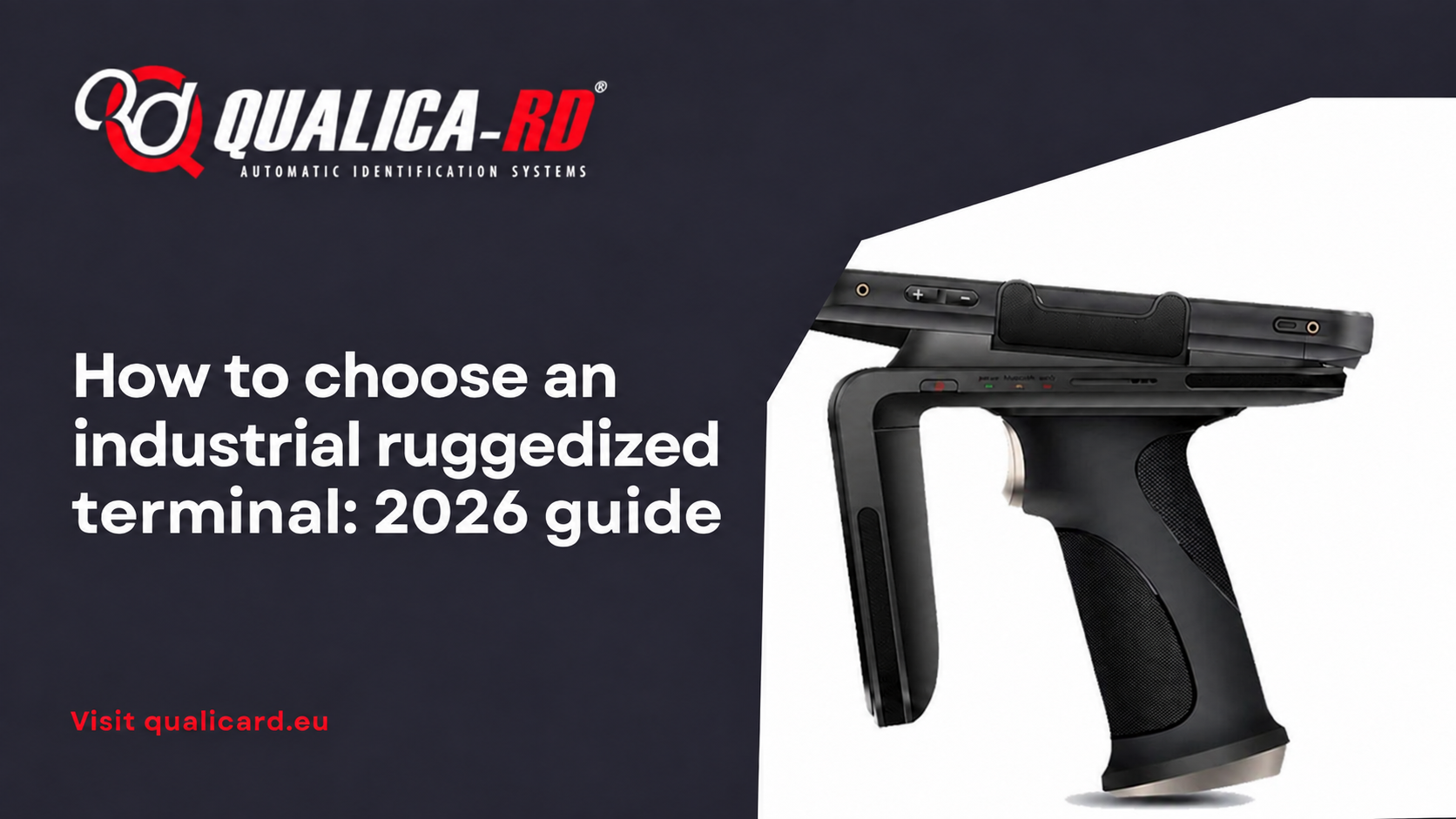
How to choose an industrial ruggedized terminal: 2026…
An industrial ruggedized terminal is not a “reinforced” mobile phone: it is…
Go to Post
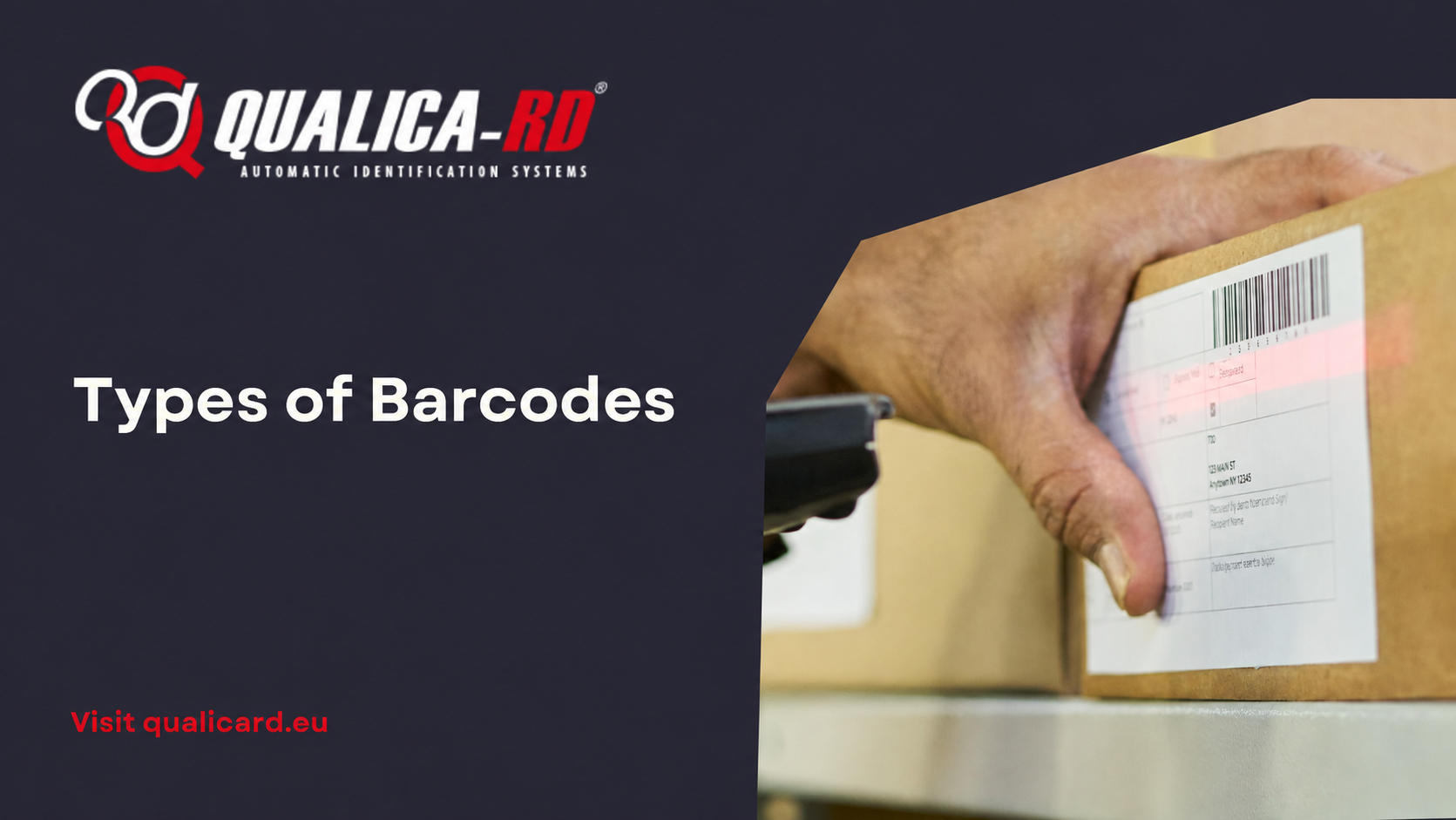
Types of barcodes
Types of barcodes: a complete guide to understanding their uses and characteristics….
Go to Post
Guide to Automatic Identification Technologies in 2025
Guía de Tecnologías para Identificación Automática en 2025: Innovación, Aplicaciones y Tendencias…
Go to Post