
Business Hours: Monday to Thursday: 7:00 AM – 3:00 PM (Support until 5:00 PM) | Friday: 7:00 AM – 3:00 PM (Support until 2:30 PM)
(+34) 957 326 107
Business Hours: Monday to Thursday: 7:00 AM – 3:00 PM (Support until 5:00 PM) | Friday: 7:00 AM – 3:00 PM (Support until 2:30 PM)
Copyright © 2025 Qualicard. All Rights Reserved.


Technical Support
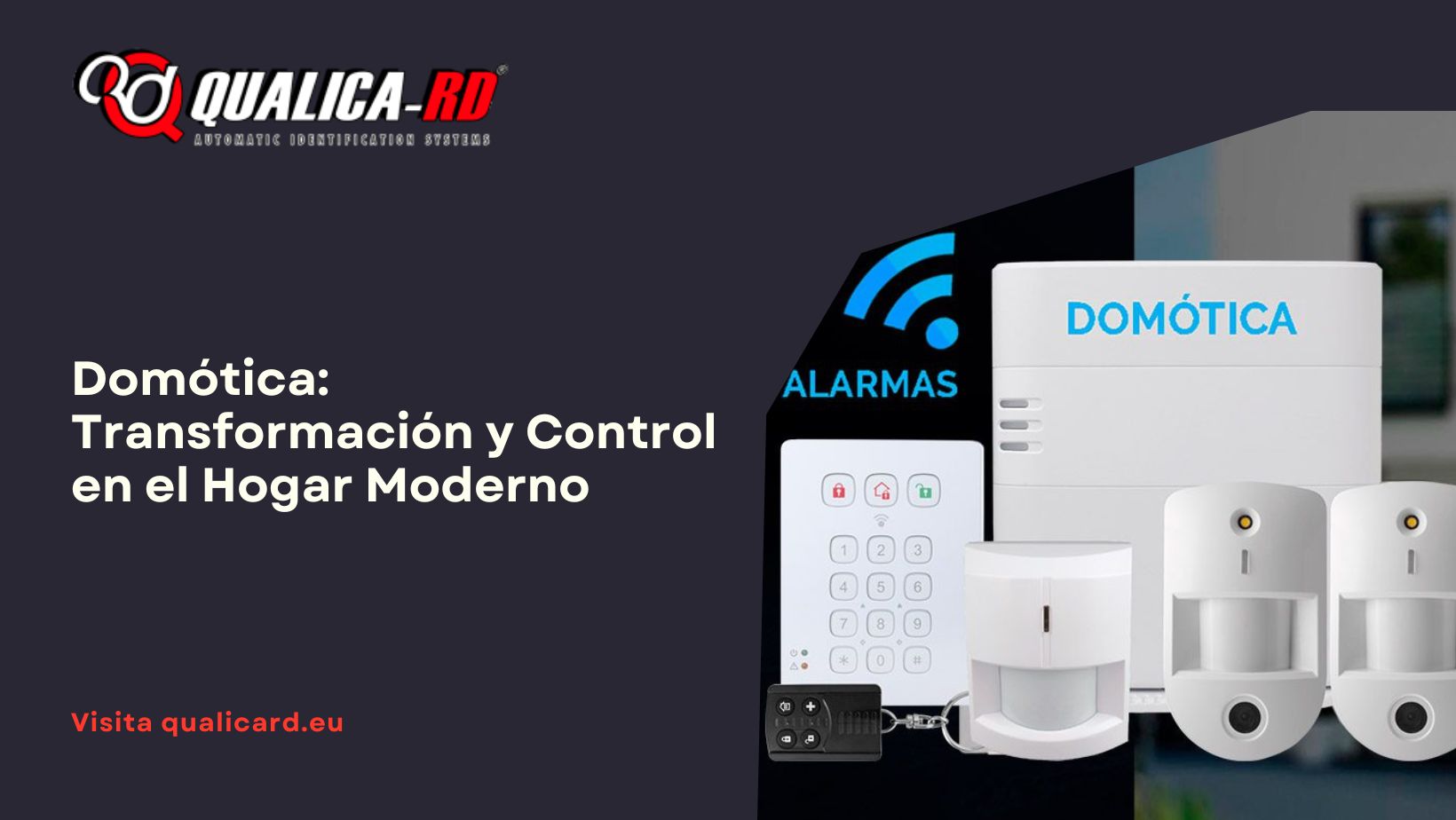
Home Automation: Transformation and Control in the Modern Home
September 2, 2024
What is Home Automation?
Home automation is a concept that has gained relevance today due to its advances in technology and automation. It refers to the integration of different devices and systems in the home to provide greater control and comfort to its inhabitants. Through home automation, it is possible to intelligently manage various aspects such as lighting, climate control, and security.
To understand the operation of home automation, it is essential to know the key components that are part of a home automation system. From sensors to actuators, including user interfaces and communication systems, each element serves a specific function to ensure proper home automation.
With home automation technology, users can enjoy smart homes that respond to their daily needs and habits. Through home automation control and home automation integration, it is possible to customize the home environment to maximize energy efficiency and security, providing a unique experience for its inhabitants.
Home Automation Meaning
The home automation is defined as the set of technologies that allow the automation of tasks and systems in the home, through the integration of electronic devices. This home automation technology has evolved significantly over the years, bringing comfort and efficiency to a new level in people’s daily lives.
The history of home automation dates back to the 1970s and 1980s, when the first remote control systems for the home began to be developed. Over time, smart home automation has experienced advancements in the connectivity and interoperability of its devices, allowing for a more efficient and personalized management of domestic spaces.
Home automation through home automation technology has been key in transforming traditional homes into smart houses. By integrating home automation devices, such as motion sensors, smart thermostats, and automated security systems, greater security and comfort in the residential environment is achieved.
Key Components of a Home Automation System
To fully understand how a home automation system works, it is essential to know the key components that make it up. Among these elements are sensors, devices responsible for collecting information from the environment, such as light, motion, or temperature sensors, which allow the system to make intelligent decisions.
Another fundamental component in home automation is the actuators, devices that execute the actions determined by the system, such as opening a door, turning on lights, or activating climate control systems. These actuators are controlled through user interfaces, which allow residents to interact with the system and adjust the settings according to their preferences.
Moreover, communication plays a crucial role in a home automation system, allowing data transmission between different devices and the central control. Wireless and wired connectivity ensures efficient and secure communication among all components, facilitating automation and remote control of devices.
Benefits of Home Automation in Daily Life
Home automation provides a number of significant benefits that directly impact people’s daily lives. One of the main benefits is the increase in security and comfort at home, thanks to the ability to remotely control security systems, lighting, and climate control, providing peace of mind and comfort to residents.
Another highlighted aspect of smart home technology for businesses is the energy efficiency and economic savings it provides. Through the automation of systems, it is possible to intelligently manage energy consumption, optimizing resources and reducing costs associated with the maintenance of the home or business.
Moreover, the integration of smart home devices in the home contributes to the creation of smart houses, where the interconnection of different elements allows for personalized management that adapts to the needs of the inhabitants. This smart home automation improves quality of life and facilitates daily tasks, turning the home into a more functional and modern space.
Increased Security and Comfort
The increase in security and comfort is one of the most relevant aspects that home automation brings to modern homes. Thanks to the integration of intelligent security systems, such as surveillance cameras, motion sensors, and connected alarms, residents can monitor and protect their home remotely, enhancing peace of mind and confidence in their environment.
Moreover, security home automation not only protects against intrusions but also allows for the detection of emergency situations, such as fires or gas leaks, sending immediate alerts for a quick and effective response. This combination of real-time security and automated response enhances the quality of life for residents, ensuring a safe and protected environment.
In terms of comfort, smart home automation facilitates the control and management of numerous aspects of the home, from lighting to temperature, adapting to the preferences of the inhabitants. The ability to program scenes and personalized routines, as well as remote access to the systems, provides a level of comfort and convenience that transforms the experience of living in a domestic space.
Energy Efficiency and Economic Savings
The energy efficiency and economic savings are two key aspects that are enhanced by the implementation of home automation systems in the home. Thanks to the ability to control and program the use of electrical devices and climate control systems, it is possible to optimize energy consumption and significantly reduce the expenses associated with the electricity and heating bills.
With home automation for energy efficiency, residents can monitor in real time the energy consumption of each device, identify potential excessive consumption, and take measures to adjust it. This intelligent energy management not only contributes to long-term economic savings but also promotes more sustainable and environmentally friendly practices.
Moreover, the automation of systems such as lighting and climate control allows for the adaptation of energy use to the actual needs of the inhabitants, avoiding resource waste and ensuring more efficient operation of the equipment. This combination of technology and energy awareness makes home automation a fundamental tool for promoting a more eco-friendly and economical lifestyle.
Home Automation
The implementation of home automation in the home requires careful planning and a detailed assessment of the needs and objectives of the residents. It is crucial to analyze which aspects of the home are to be automated, such as lighting, security, or climate control, in order to select the most suitable devices and technologies that fit those preferences.
One of the first steps for home automation integration is to conduct a thorough assessment of the existing infrastructure in the home, such as the electrical network and internet connectivity, to determine the feasibility of implementing smart systems. Additionally, it is important to define the specific objectives that are sought to be achieved with home automation, whether it is to improve security, optimize energy efficiency, or increase comfort.
Once the needs and objectives have been identified, the selection of home automation devices and technologies that best fit the home is carried out. From smart thermostats and automated locks to surveillance systems and remote control, the variety of available devices allows for the customization of the home automation experience according to the preferences and lifestyle of the residents.
First Steps for Home Automation Integration
When taking the first steps for home automation integration in the home, it is essential to conduct a thorough assessment of the specific needs and objectives to be achieved. This process involves identifying the areas or systems intended for automation, such as lighting, security, or climate control, to establish a clear and efficient roadmap.
Another aspect to consider in the implementation of home automation is to evaluate the compatibility of the selected devices and technologies with the existing structure of the home. It is necessary to ensure that the electrical and network infrastructure is suitable to support the home automation systems, as well as to verify the connectivity and interoperability of the devices for a smooth integration.
Furthermore, it is advisable to consult with home automation experts or professional installers for guidance on best practices in the selection and installation of home automation devices. These professionals can provide specialized advice and ensure that the system integration is carried out properly, ensuring optimal operation and a satisfactory experience for users.
Needs and Objectives Assessment
In the needs and objectives assessment for the implementation of home automation systems, it is essential to carefully analyze what the specific demands and goals are that one wishes to achieve in the home. This initial stage involves identifying key areas that require automation, such as security, energy efficiency, or comfort, and establishing priorities to meet the residents’ needs.
When defining the objectives of home automation, clear and measurable criteria can be established to evaluate the success of the implementation. Whether it is to improve home security, reduce energy consumption, or facilitate the management of residential systems, it is essential to have a detailed understanding of the users’ expectations and desires in order to design an effective and personalized home automation system.
Moreover, when assessing the needs of the home and the objectives to be achieved, opportunities for improvement and optimization in the automation of daily tasks and processes can be identified. This in-depth evaluation allows for the adaptation of home automation technology to the specific characteristics and requirements of each home, thereby maximizing the benefits and utility of the implemented systems.
Selection of Appropriate Devices and Technologies
The selection of appropriate devices and technologies for the implementation of home automation is a crucial step that defines the success and effectiveness of the system. It is essential to consider the specific needs of the home and its inhabitants when choosing the devices, ensuring that they align with the desired functions and the users’ expectations.
Moreover, when choosing home automation technologies, it is important to assess the compatibility of the devices with each other and with the existing infrastructure in the home. The interoperability of the systems, as well as the ease of integration and control, are key aspects to consider to ensure smooth operation and an optimal user experience.
The variety of devices available on the market, from sensors and actuators to user interfaces and centralized management systems, offers multiple options to customize the home automation system according to specific preferences and needs. The proper selection of devices and technologies helps to maximize the benefits of home automation, providing comfort, security, and energy efficiency to residents.
Installation and Maintenance of Home Automation Systems
The installation and maintenance of home automation systems requires a meticulous and professional approach to ensure their proper functioning over time. In the installation process, it is crucial to follow the manufacturer’s instructions for the devices and adhere to electrical safety standards to avoid potential risks and optimize system performance.
Home automation maintenance involves conducting regular checks of the installed devices and systems, ensuring they operate properly and addressing any potential issues or malfunctions in a timely manner. Additionally, it is important to keep both the hardware and software of the devices updated to ensure their long-term compatibility and effectiveness.
Having a professional and certified installation and maintenance service can be a great help in optimizing the durability and performance of home automation systems. The experience and technical knowledge of specialists contribute to a safe and efficient installation, as well as preventive maintenance that ensures the proper functioning of home automation over time.
The Future of Home Automation: Trends and New Technologies
The future of home automation looks exciting, driven by continuous innovations in home automation control and intelligent automation. The trends and new technologies in the field of home automation promise to further transform the way we interact with our homes, offering increasingly personalized and efficient solutions.
One of the main trends in home automation is the integration of systems based on artificial intelligence and machine learning, which allow home devices to adapt and anticipate the needs of residents. This evolution towards smart home automation promises greater autonomy and personalization in the management of homes, providing a more intuitive and effective experience.
Moreover, the expansion of home automation into other areas, such as commercial and urban spaces, opens up new possibilities for the application of smart technologies in broader environments. The home automation integration with building management systems and smart cities promises to enhance efficiency, security, and sustainability in public spaces, transforming the way we interact with our surroundings.
Innovations in Home Automation and Control
Innovations in home automation and control are revolutionizing the way we interact with our homes, offering increasingly advanced and personalized solutions. The combination of smart devices, such as voice assistants and connected sensors, with centralized management systems allows for total and efficient control of different aspects of the home, from lighting to security.
The evolution of home automation towards increasingly intuitive and predictive systems is marking a new era of comfort and efficiency in modern homes. Control technologies based on pattern recognition and artificial intelligence are enabling home automation systems to learn and adapt to the preferences and routines of residents, anticipating their needs and facilitating their daily lives.
Moreover, advanced automation in home automation is leading to the creation of truly intelligent environments, where devices and systems collaborate in a coordinated manner to provide a seamless and personalized experience. Remote control, intelligent programming, and integration with mobile devices offer an unprecedented level of comfort and control, transforming the way we interact with our residential spaces.
The Expansion of Home Automation to Commercial and Urban Spaces
The expansion of home automation into commercial and urban spaces represents a significant advance in the integration of smart technologies into broader environments. The application of home automation systems in commercial buildings and urban areas enhances energy efficiency, security, and resource management, contributing to the creation of more sustainable and connected environments.
The integration of home automation in commercial spaces, such as offices, shopping centers, and hotels, offers the possibility to optimize internal processes, reduce operational costs, and enhance the experience of employees and customers. The automation of lighting, climate control, and security systems in commercial environments allows for the adaptation of spaces to the specific needs of each activity, ensuring efficient and personalized management.
On the other hand, the implementation of home automation technologies in urban areas, such as smart public lighting, waste management systems, and air quality monitoring, contributes to the creation of smart cities that are more sustainable and secure. Urban home automation facilitates the efficient management of public resources, reduces the environmental footprint, and improves the quality of life for citizens, promoting a more intelligent and sustainable urban development.
Home Automation: Frequently Asked Questions
Explore our frequently asked questions about home automation to better understand how this technology can transform your home into a safer, more efficient, and comfortable environment.
What is home automation and how can it improve my daily life?
Home automation refers to the automation of the home, integrating technology into security systems, energy management, and home entertainment. It can enhance quality of life by increasing comfort, maximizing energy efficiency, and providing better control over domestic environments.
Is it expensive to install a home automation system?
The cost of installing a home automation system can vary significantly depending on the complexity and scope of the system. However, with technological advancements, many solutions are now more accessible and can be adapted to different budgets.
Can I control the home automation system from my mobile phone?
Yes, most modern home automation systems offer mobile applications that allow remote control of devices. This includes managing lighting, temperature, security systems, and more, all from your phone.
What is home automation for?
Home automation is used to automate everyday tasks within the home, such as adjusting temperature, controlling lighting, and managing security devices. This not only provides comfort and convenience but also helps save energy and improve home security.
How does home automation work?
Home automation works through a network of interconnected devices that can be centrally controlled via a control panel, a mobile application, or even by voice. The systems use sensors and actuators to control applications and devices according to customized settings or through artificial intelligence.
How to install home automation at home?
Installing home automation at home can range from simple configurations to more complex installations. The ideal approach is to start by defining the specific needs of the home and then choosing compatible products that can be integrated. For more advanced systems, it may be advisable to hire a professional to carry out a proper and safe installation.
Share
Related News
-

-
 Types of barcodes 24 Apr
 -
 What is PDA in Spain? 05 Apr
How to choose an industrial ruggedized terminal: 2026…
An industrial ruggedized terminal is not a “reinforced” mobile phone: it is…
Go to Post


What is PDA in Spain?
¿Qué es PDA en España? Guía completa sobre su funcionamiento, usos y…
Go to Post