Business Hours: Monday to Thursday: 7:00 AM – 3:00 PM (Support until 5:00 PM) | Friday: 7:00 AM – 3:00 PM (Support until 2:30 PM)
(+34) 957 326 107
Business Hours: Monday to Thursday: 7:00 AM – 3:00 PM (Support until 5:00 PM) | Friday: 7:00 AM – 3:00 PM (Support until 2:30 PM)
Copyright © 2025 Qualicard. All Rights Reserved.


Technical Support
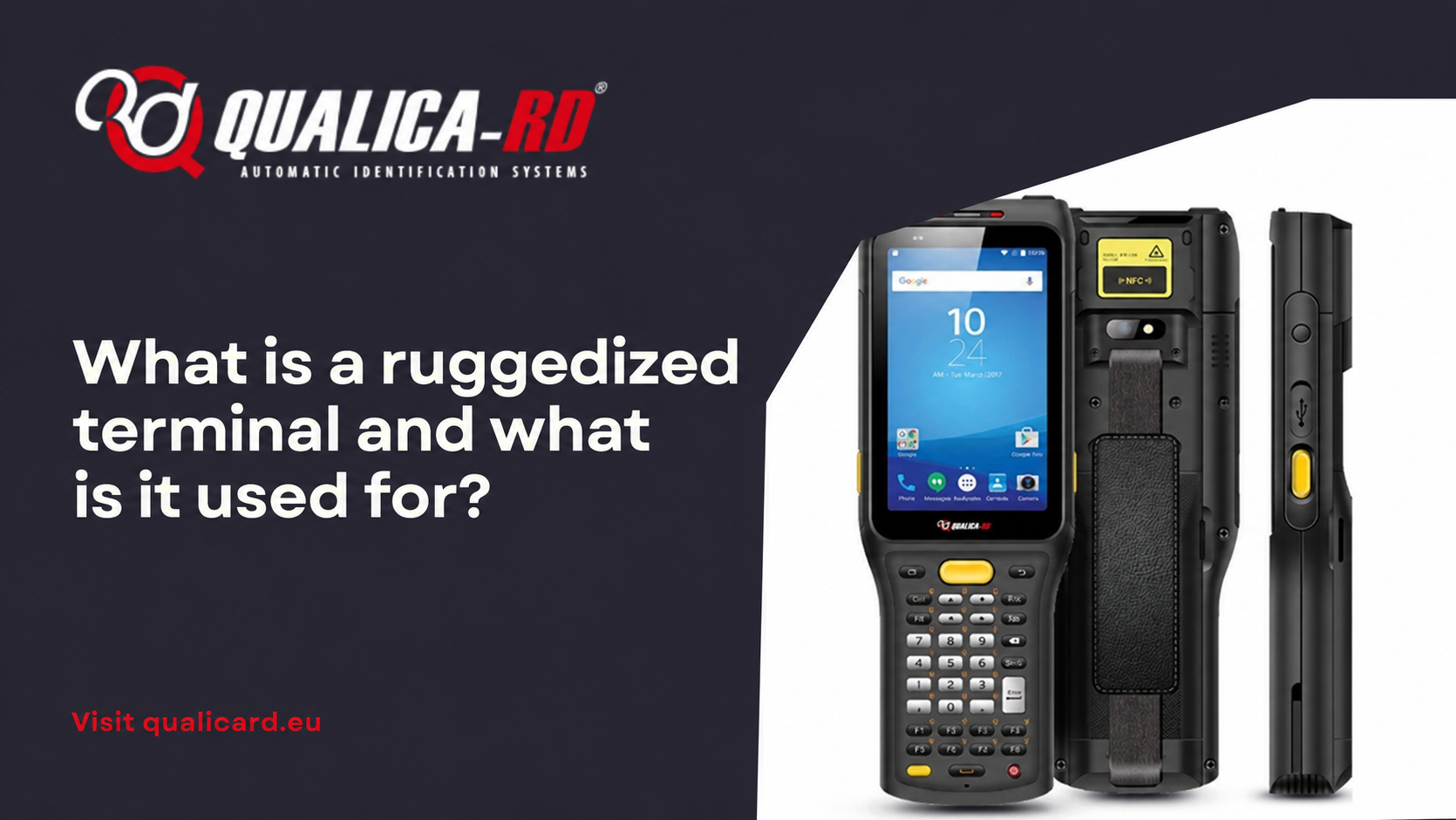
What is a ruggedized terminal and what is it used for?
November 15, 2025
What is a rugged terminal and what is it used for?
In industrial, logistics, or security environments, technological devices must be prepared to withstand extreme conditions. This is where rugged terminals become a key tool. If you are wondering what a rugged terminal is and what it is used for, in this article you will find a complete, clear, and up-to-date guide that answers all your questions.
Definition: What is a rugged terminal?
A rugged terminal is a mobile device designed to withstand shocks, vibrations, drops, dust, humidity, extreme temperatures, and other adverse conditions. Its structure is reinforced both inside and out, making it a robust solution for fieldwork.
These devices can take the form of a smartphone, tablet, or industrial PDA and are mainly used in sectors such as logistics, construction, security forces, healthcare, and access control systems.
What is a rugged terminal used for?
Its main functionality is to guarantee operational continuity in demanding environments. This includes tasks such as:
- Scanning barcodes and QR codes.
- Real-time data recording.
- Inventory or stock management.
- Asset tracking and GPS location.
- Authentication of people in access control systems.
Key benefits of a rugged terminal
Investing in this type of device offers numerous advantages, especially if you operate in high-demand industries:
- High physical resistance: minimizes the risk of breakdowns.
- Long service life: greater durability compared to conventional terminals.
- Long-term cost reduction: fewer replacements and repairs.
- Versatility: mobile connectivity, WiFi, NFC, RFID, GPS, cameras, etc.
- Integration with access control systems: ideal for corporate or industrial security.
Comparison: Rugged terminal vs. conventional terminal
| Features | Rugged terminal | Conventional terminal |
|---|---|---|
| Impact resistance | High: withstands drops from 1.5–2 meters | Low: can be damaged by minor drops |
| Certifications | IP67, IP68, MIL-STD-810G/H | They usually do not have certifications |
| Recommended environments | Industrial, logistics, outdoor | Offices, personal use |
| Durability | 5 to 10 years of service life | 2 to 3 years on average |
Tips for choosing a good rugged terminal
Before purchasing one, take into account these aspects:
- IP certification: measures the degree of protection against liquids and solids.
- MIL-STD-810 military standard: assesses resistance to the environment (temperature, pressure, drop).
- Battery autonomy: essential for prolonged tasks without access to charging.
- Compatibility with your access control systems.
- Type of connectivity: mobile networks, dual WiFi, Bluetooth, NFC, or RFID.
Real-world applications in industry
Rugged terminals are widely used in sectors such as:
- Logistics and transportation: package management, tracking, and scanning.
- Construction: data collection on site.
- Healthcare: staff mobility in hospital environments.
- Security forces: vehicle control, identification of people.
- Access control systems: secure entry to critical facilities.
Which certifications should you look for?
These are the most common:
- IP67 / IP68: resistance to dust and temporary submersion in water.
- MIL-STD-810G/H: passing military resistance tests.
Integration with access control systems
One of the most efficient applications of rugged terminals is their use in access control systems. Thanks to their connectivity, biometric or card reading capabilities, these devices allow controlling who enters and leaves facilities in a secure, fast, and uninterrupted way, even outdoors or in adverse conditions.
Rugged terminals are not simply resistant devices. They are a professional solution that improves productivity, reduces costs, and guarantees operational continuity even in the harshest conditions. If your company requires mobility and reliability, this technology is a safe bet.
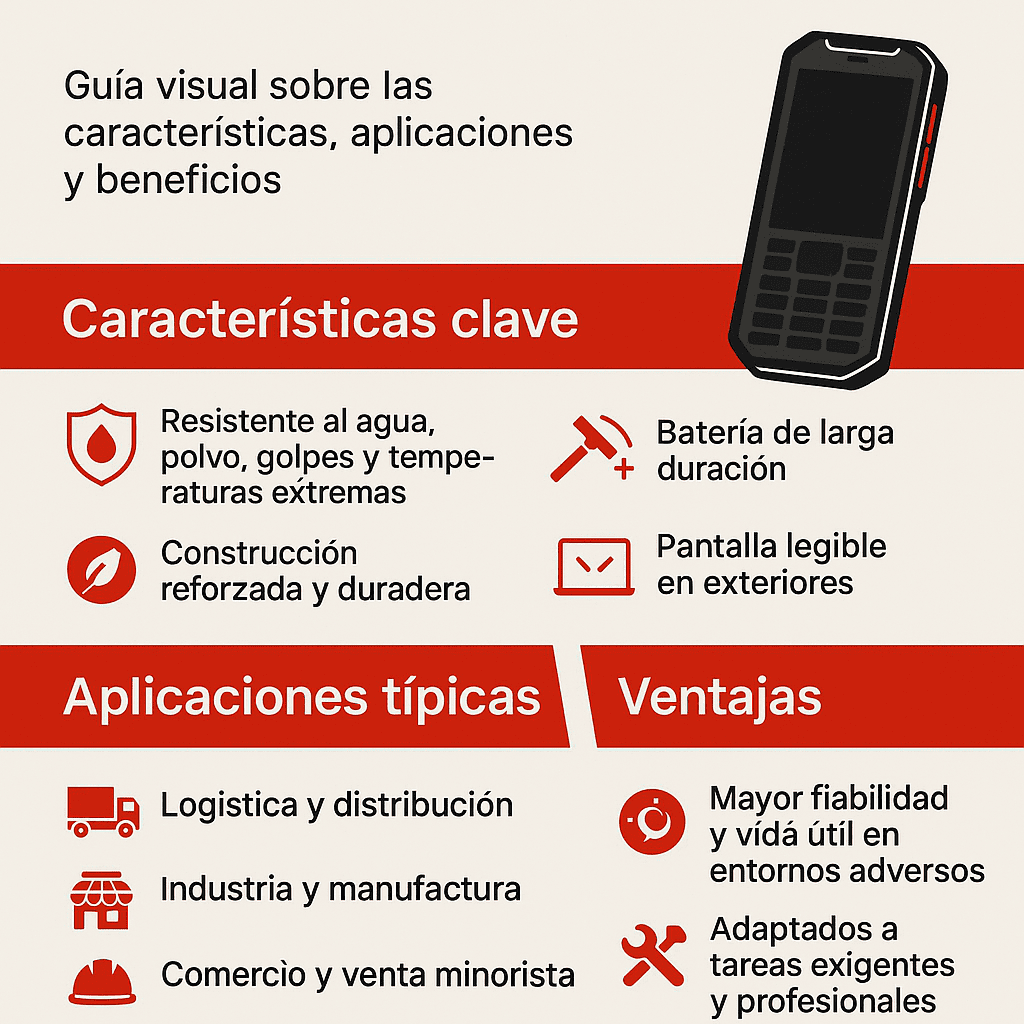
Special – Industrial Rugged Terminals from QUALICA‑RD
Within the Industrial Rugged Terminals category from QUALICA‑RD you will find mobile devices or tablets designed specifically for the most demanding environments. These terminals stand out for their robustness, advanced functionality, and adaptability when it comes to capturing data, managing inventories, or integrating with access control systems.
Outstanding technical features
- High-performance processor (for example: 8-core Qualcomm) to ensure a smooth experience even with demanding applications.
- Compatibility with barcode, NFC/UHF, and biometric readers, making them a comprehensive solution for industrial mobility and security.
- Ability to withstand drops from 1.5 to 2 meters, as well as resisting dust, water, or extreme temperature conditions.
- Reinforced battery autonomy for long workdays without frequent recharging.
Why choose this category for your company?
When your operation requires reliability, service continuity, and a mobile device that does not fail under adverse conditions, this range of rugged terminals is ideal. Some of the key benefits are:
- Lower rate of breakdowns and failures thanks to their robust construction and resistance certifications.
- Greater integration with corporate systems: these terminals can be part of data flows, logistics, or access control systems, ensuring that information flows without interruptions.
- Versatility in sectors such as warehousing, transportation, heavy industry, or facility control, making them suitable for multiple scenarios.
Practical applications
Some scenarios in which this category of terminals provides differential value are:
- Data recording and collection in logistics warehouses or distribution centers.
- Use outdoors or on construction sites, where exposure to impacts, dust, or humidity is high.
- Access control in facilities that require hardware capable of operating without failures even under difficult conditions.
- Staff mobility with code reading, RFID, or NFC, integrating both hardware and software into an agile flow.
Technical recommendation
To get the most out of this category, make sure that the selected device meets at least:
- Resistance certification (minimum drops of 1.5 m, IP67/68 seal or equivalent).
- Battery with above-standard autonomy (long workdays, without frequent recharging).
- Compatibility with the peripherals and connectivity you already use in your company: WiFi, LTE/5G, code reader, NFC, RFID, etc.
- Supplier support for integration with your access control system or logistics, if applicable.
In summary, the Industrial Rugged Terminals category from QUALICA‑RD represents an advanced solution for companies that need reliability, resistance, and technological compatibility in critical environments. If your business operates under demanding conditions, this line can make the difference in productivity and security.
Frequently asked questions about rugged terminals
If you still have questions about what a rugged terminal is and what it is used for, below we answer some of the most common questions that users and companies interested in this technology usually ask.
What is the difference between a rugged terminal and a conventional one?
The main difference lies in resistance and durability. A rugged terminal is designed to withstand extreme conditions such as impacts, drops, dust, or humidity, while a conventional one is intended for everyday use in controlled environments.
What certifications should a good rugged terminal have?
The most common are the IP67 or IP68 certifications (water and dust resistance) and the military standard MIL-STD-810, which certifies its performance in adverse conditions such as extreme temperatures, vibrations, or impacts.
Are rugged terminals compatible with access control systems?
Yes, many models incorporate technologies such as NFC, RFID, or biometrics that allow them to be easily integrated into access control systems, both physical and digital, guaranteeing security and reliability.
Share
Related News
-
-
 Types of barcodes 24 Apr
 -
 What is PDA in Spain? 05 Apr
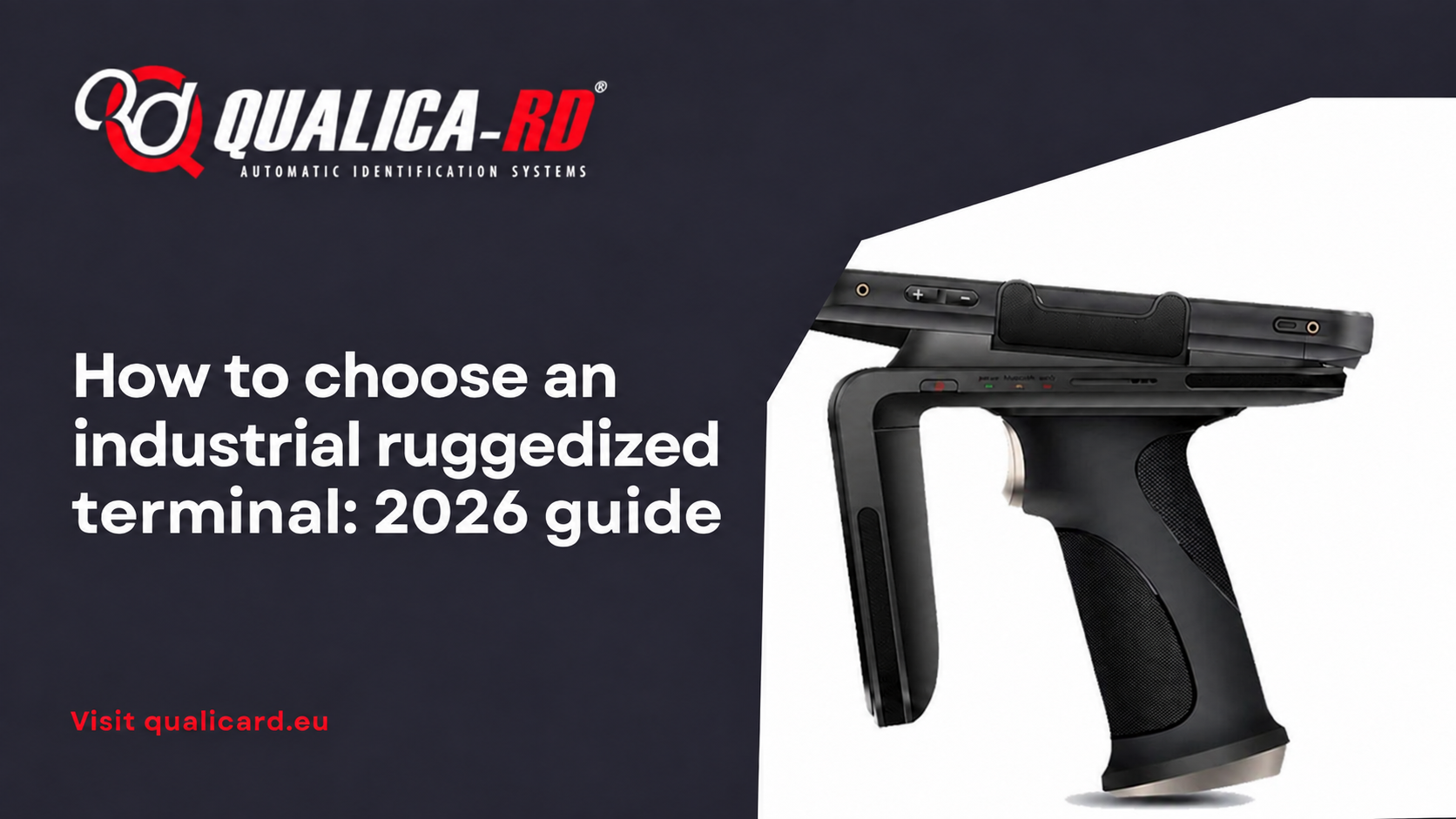
How to choose an industrial ruggedized terminal: 2026…
An industrial ruggedized terminal is not a “reinforced” mobile phone: it is…
Go to Post
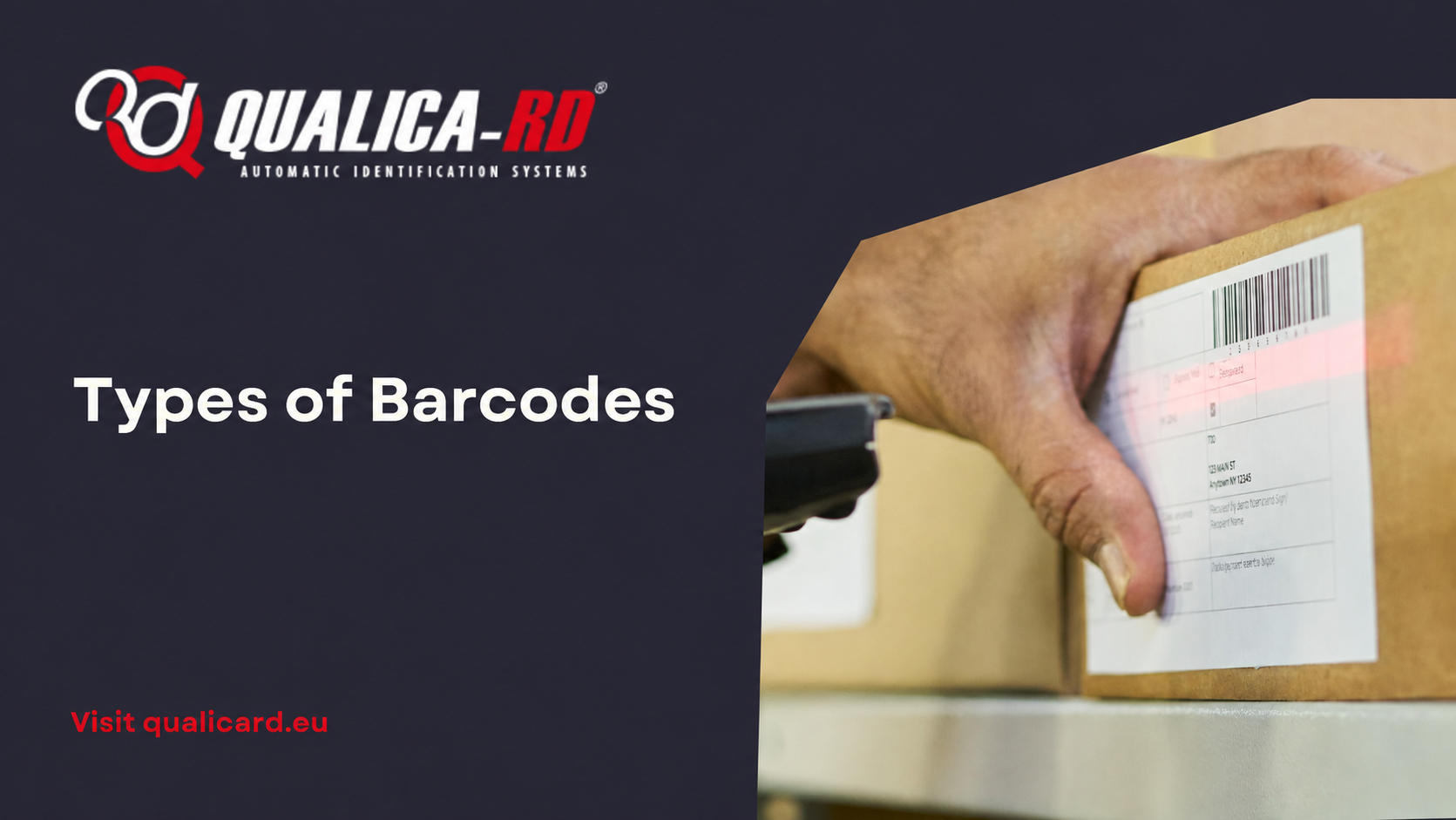
Types of barcodes
Types of barcodes: a complete guide to understanding their uses and characteristics….
Go to Post