
Business Hours: Monday to Thursday: 7:00 AM – 3:00 PM (Support until 5:00 PM) | Friday: 7:00 AM – 3:00 PM (Support until 2:30 PM)
(+34) 957 326 107
Business Hours: Monday to Thursday: 7:00 AM – 3:00 PM (Support until 5:00 PM) | Friday: 7:00 AM – 3:00 PM (Support until 2:30 PM)
Copyright © 2025 Qualicard. All Rights Reserved.


Technical Support
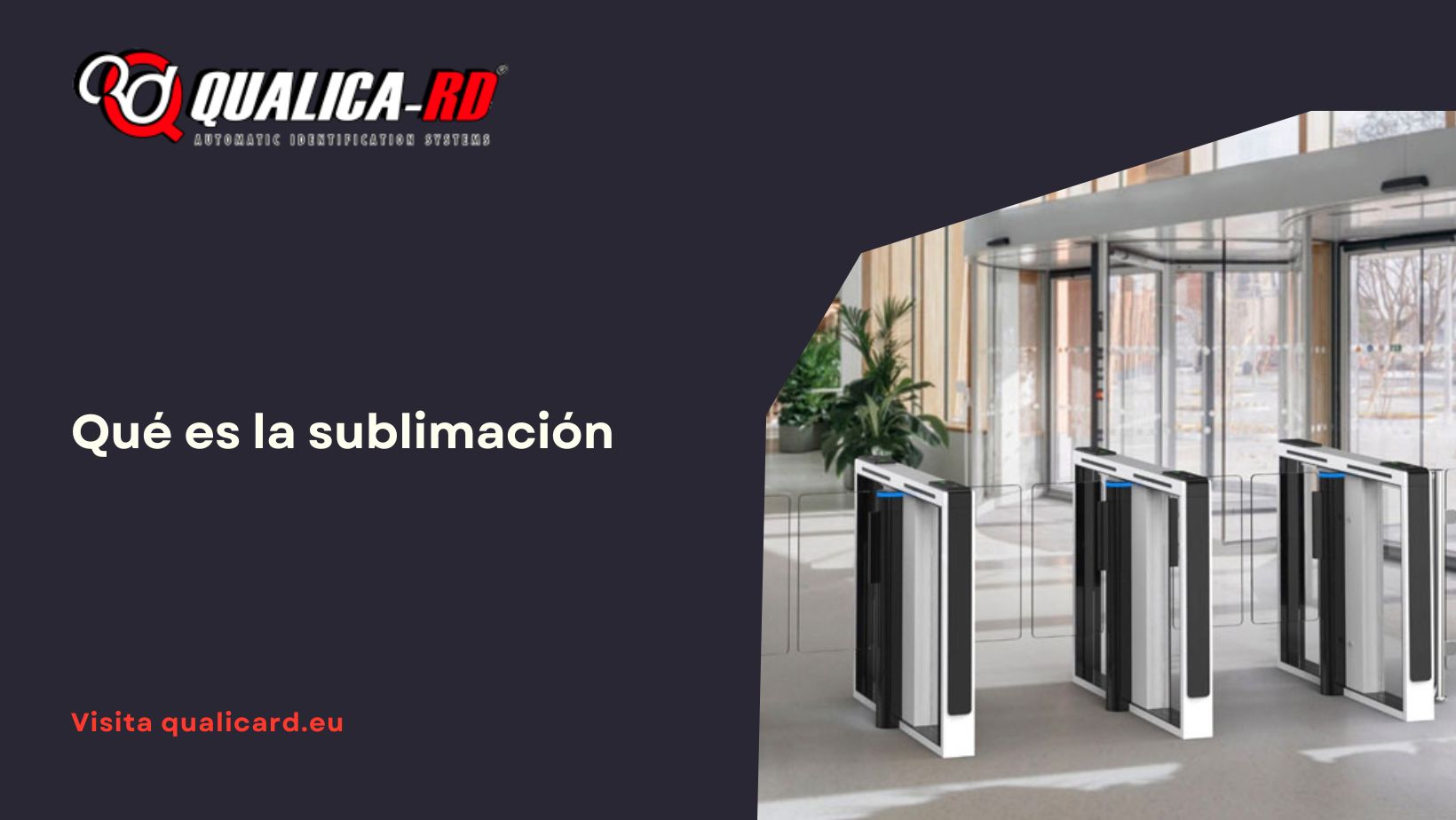
What is sublimation and how is it applied in access control?
December 14, 2024
What is sublimation and how is it applied in access control?
Sublimation is a fascinating process that allows the transfer of images and designs to various materials, transforming the way we personalize products. In the context of access control systems, this technique has become essential, as it offers innovative solutions for creating access cards and other identification elements. In this article, we will explore in depth what sublimation is, how it works, its applications in access control, and the future trends that will shape its development in the sector.
Understanding sublimation
Sublimation is a process that involves the conversion of a solid material to gas, without passing through the liquid phase. This physical phenomenon allows the transfer of special inks onto different surfaces by applying heat and pressure. When the appropriate temperature is reached, the ink molecules expand and infiltrate the material, creating a strong and durable bond that resists wear and fading.
This method is widely used in the printing industry, especially in the creation of personalized products. From clothing and accessories to identification elements such as access cards, sublimation offers the possibility to design vibrant images that do not wear out over time. This versatility has made it a popular choice for many companies looking for effective and high-quality solutions.
A highlighted aspect of sublimation is its ability to reproduce bright colors and fine details. Through its unique process, a quality of image is achieved that is difficult to match with other printing methods. Additionally, water and abrasion resistance makes sublimated products ideal for environments where durability is required, such as in access control systems.
Currently, the demand for personalization techniques has driven innovation in the field of sublimation. More and more adaptable materials and improved inks are being developed, allowing companies to offer unique and attractive products. With technological advancement, it is likely that sublimation will continue to evolve, providing new opportunities and creative solutions in the access control sector and beyond.
The sublimation process
The process begins with the selection of special inks that contain pigments designed to sublimate. These inks are fundamental, as they are the ones that turn into vapor when exposed to high temperatures. A printing device that uses this technique prints the desired image on a coated sheet of paper that is compatible with the process. This first step is crucial, as it ensures that the colors are vibrant and accurate before being transferred.
Once the image has been printed, the next step involves placing the paper on the base material, which can be an access card, a piece of clothing, or any other suitable surface. By applying heat and pressure in a controlled manner, the sublimation process is activated. The ink particles turn into vapor, penetrate the fibers of the material, and solidify as they cool. This molecular bond creates an image that is an integral part of the object, rather than simply being on the surface.
Precision in temperature and transfer time are essential elements to achieve a high-quality final product. Each material has its own specifications, and it is important to consider these details to avoid errors that could affect the image. Most industrial applications leverage computers that control these parameters to ensure consistent and satisfactory results in each production batch.
Once the transfer is complete, the final product is evaluated to ensure it meets quality standards. The durability of the image and its resistance to fading are rigorously tested. Sublimated products, such as access cards, not only offer a professional finish but are also functional and durable, making them a preferred choice for modern identification systems.
Phases of the sublimation process
The first step in this innovative process involves the preparation of the materials. Special inks containing a sublimation agent are selected, along with coated paper. This paper allows the ink to be effectively transferred to the final material. The quality of the inputs is crucial, as it determines the accuracy and fidelity of the colors that will be reproduced in the final product.
The printing phase is essential and is carried out using printers specifically designed for sublimation. During this stage, the design is printed on coated paper, where the ink settles in thin layers that will allow for the subsequent transformation into vapor. It is important that the printing is done with high resolution to capture all the details and nuances of the design, ensuring a vibrant image that will be reflected in the final object.
Once the printing is completed, the transfer process begins, one of the most critical stages. The printed paper is placed on the material intended to receive the image, and heat and pressure are applied using a heat press. This combination causes the ink to sublimate and penetrate the material, creating a lasting bond. The temperature and time conditions must be carefully controlled to ensure that the process is effective and that the image is properly fixed.
Finally, after the transfer, the material is allowed to cool, allowing the ink to solidify in its new state. This phase is crucial to ensure that the image maintains its quality and durability. When all phases are completed properly, the result is a sublimated product that is not only visually appealing but also wear-resistant, providing durability and a professional finish suitable for applications in access control and other customized uses.
Applications of sublimation in access control
Sublimation has proven to be especially valuable in the creation of customized access cards. These cards can feature the company logo, institutional colors, and specific identification details, providing a professional and cohesive image. The print quality offered by this process ensures that the information is clear and long-lasting, which is essential for use in security and control environments.
In addition to cards, sublimation is used in the manufacturing of identifiers and personal tags. Each piece can be customized not only with the employee’s name but also with barcodes or additional security elements. This not only enhances the appearance but also facilitates identity verification in spaces where access must be controlled, such as at events, conferences, or restricted facilities.
The use of sublimation is not limited to access cards. This technique is also applied to products such as wristbands and keychains, turning them into effective identification tools. The ability to print high-quality images and texts on these items allows for greater flexibility in access control strategies, adapting to the specific needs of each organization.
The durability of sublimated products also offers a significant advantage, as many of them can withstand adverse conditions. This is crucial in work environments where there is constant exposure to factors such as humidity, temperature, or mechanical wear. Choosing sublimated products not only guarantees style but also functionality and durability, essential characteristics for the proper operation of an access control system.
Benefits of using sublimation in access cards
The use of sublimation to produce access cards brings multiple benefits that translate into added value for companies. A key aspect is the high print quality achieved, allowing for the reproduction of vibrant colors and sharp details. This quality not only enhances the appearance of the cards but also increases the perception of professionalism of the organization, making the identifiers more attractive and easy to read.
Durability is another significant advantage of this method. Sublimated cards are resistant to wear, stains, and fading, aspects that become crucial in environments where they are used intensively. The use of inks that penetrate the surface of the material ensures that the printed information remains intact, even under difficult conditions, thus prolonging the lifespan of the cards. This translates into lower replacement costs and greater operational efficiency.
Integrating security elements is also straightforward through sublimation. Cards can incorporate features such as barcodes, holograms, or microprinting identifications, making counterfeiting difficult. This additional level of security not only protects the organization from unauthorized access but also ensures that employee identification is reliable and effective, providing peace of mind in security management.
Finally, customization is a strong appeal of this technique. Each card can be tailored to the specific needs of the company, including logos, names, and personal data. This customization option fosters a sense of belonging among employees and reinforces the organization’s brand image. With all these benefits, it is evident that sublimation has become a valuable tool for optimizing access control systems in any company.
Durability and resistance of sublimated cards
One of the most notable aspects of cards produced through the sublimation process is their remarkable durability. These types of cards are designed to withstand daily use in demanding environments, making them an ideal choice for organizations that require reliable identification solutions. The ink is deeply integrated into the material, creating an image that is not only vibrant but also remains intact over time.
The resistance to external factors is unparalleled. The sublimated cards can withstand exposure to moisture, extreme temperatures, and even abrasions. This resistance ensures that the information and printed graphics remain clear and legible, regardless of the conditions they face. By preventing premature wear, companies can reduce their operational costs on replacements and maintain a standard of visual quality in their identifications.
Incorporating additional protective elements is possible with sublimated cards. For example, protective coatings can be applied that enhance scratch resistance and prevent fading. This means that even in high-use situations, the cards maintain their integrity and professional appearance. These features make sublimated cards ideal for events, restricted access, and other places where security and durability are essential.
The combination of resistance, durability, and customization offered by sublimation meets the needs of a wide range of industries. From conference centers to large corporations, the superior quality of these cards enables efficient management of access control. This translates not only into greater customer satisfaction but also into a significant improvement in organizational security in the long term.
Future Trends in Sublimation for Access Control
The continuous advancement of technology is driving innovations in the field of sublimation, especially in access control applications. More and more companies are exploring the use of new and sustainable materials that not only enhance print quality but also contribute to a more eco-friendly production. This focus on sustainability aligns with global trends, where organizations seek to reduce their carbon footprint while maintaining a high level of performance in their identification systems.
The integration of digital elements is another emerging trend. With the proliferation of mobile devices and applications, the possibility of combining sublimation with scanning technology, such as QR codes or RFID, is on the rise. This allows access cards to not only serve as a means of visual identification but also as effective tools for real-time access management. The incorporation of this technology adds an additional layer of security and flexibility to existing systems.
As printing techniques continue to improve, sublimation is expected to become the preferred option for companies looking to customize their access cards. The ability to offer more complex and personalized designs will not only help strengthen brand identity but also allow organizations to better adapt to the changing demands of the market. Possibilities include everything from unique patterns to integrated security features in the design, which will add value and appeal to the final products.
Finally, the development of specialized software for the creation and management of sublimated cards is gaining ground. These tools will allow companies to design, manage, and modify images with ease, without the need for highly qualified personnel. This accessibility not only optimizes the production process but also empowers companies to quickly adapt to the changing needs of their clients in the field of access control.
Conclusion
The sublimation process has established itself as an essential technique in the personalization of access cards, offering a unique combination of quality, durability, and aesthetics. This method not only allows for the creation of visually appealing identifications but also provides resistance features that are crucial in environments where quick and reliable identification is indispensable. Implementing sublimation in access control systems represents an investment in security and presentation.
The ability to customize each card according to the specific needs of the company helps reinforce corporate identity and facilitates a smoother user experience. By integrating digital technology into these processes, a range of possibilities is opened up that increases efficiency and security in access management. The cards are not just functional tools, but also become extensions of the brand, enhancing the overall image of the organization.
As the market evolves, future trends promise even more surprising innovations in the field of sublimation. Sustainability, advanced personalization, and digitalization are charting the course towards a future where these techniques will be more accessible and efficient. Companies that adopt these trends will be better positioned to meet the changing demands of their customers and adapt to the new market realities.
In summary, sublimation represents not only a printing technique but also a strategic approach to enhance the security and presentation of corporate identifications. This methodology allows for a perfect balance between functionality and aesthetics, being an invaluable resource in modern access control that will benefit organizations in their pursuit of excellence and competitiveness.
Share
Related News


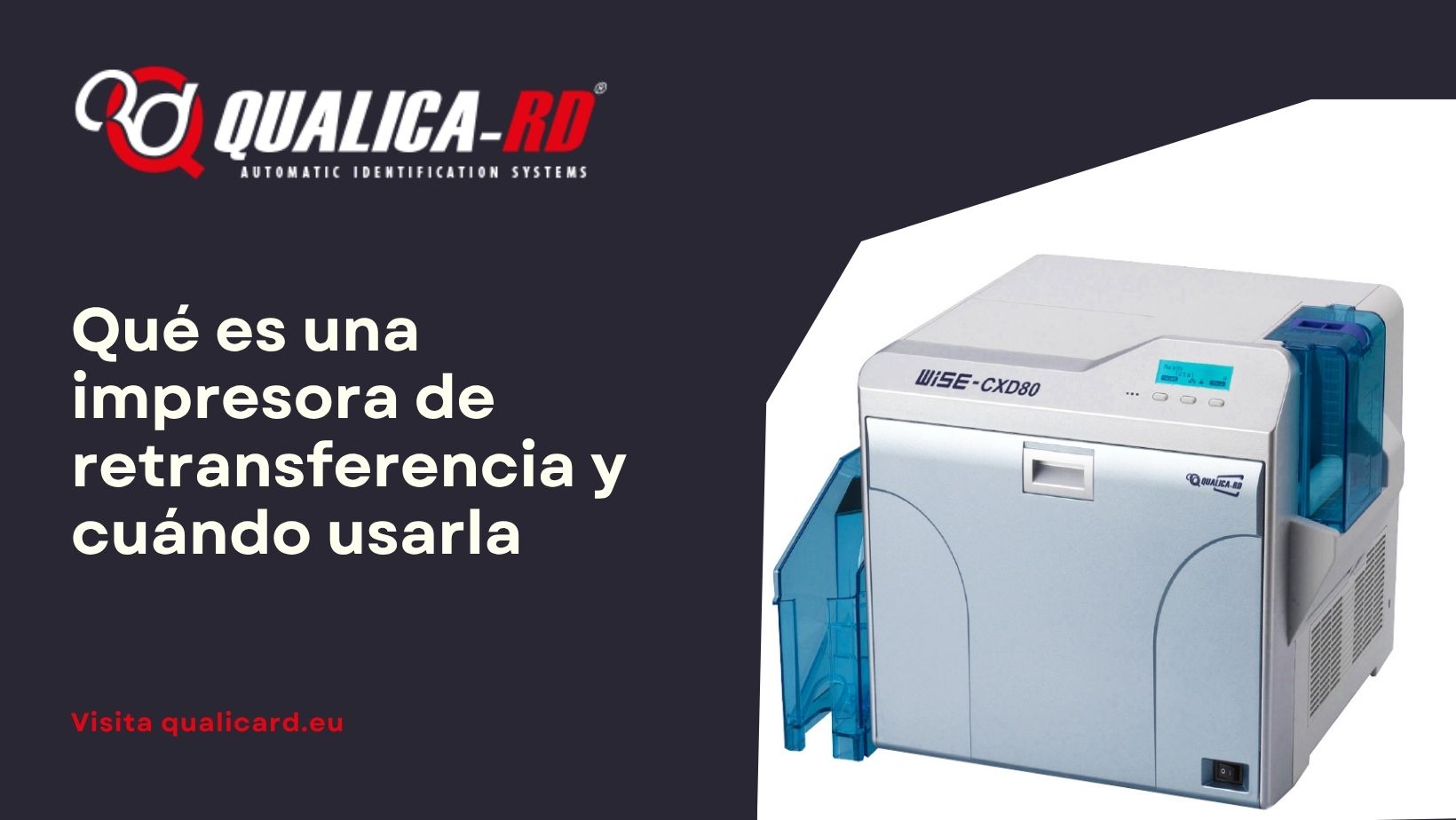
What is a retransfer printer and when to…
En el mundo de las impresoras de tarjetas PVC diseñadas para personalizar credenciales,…
Go to Post
Guide to printing credentials for events
Guía completa para imprimir acreditaciones para eventos En esta guía para imprimir…
Go to Post
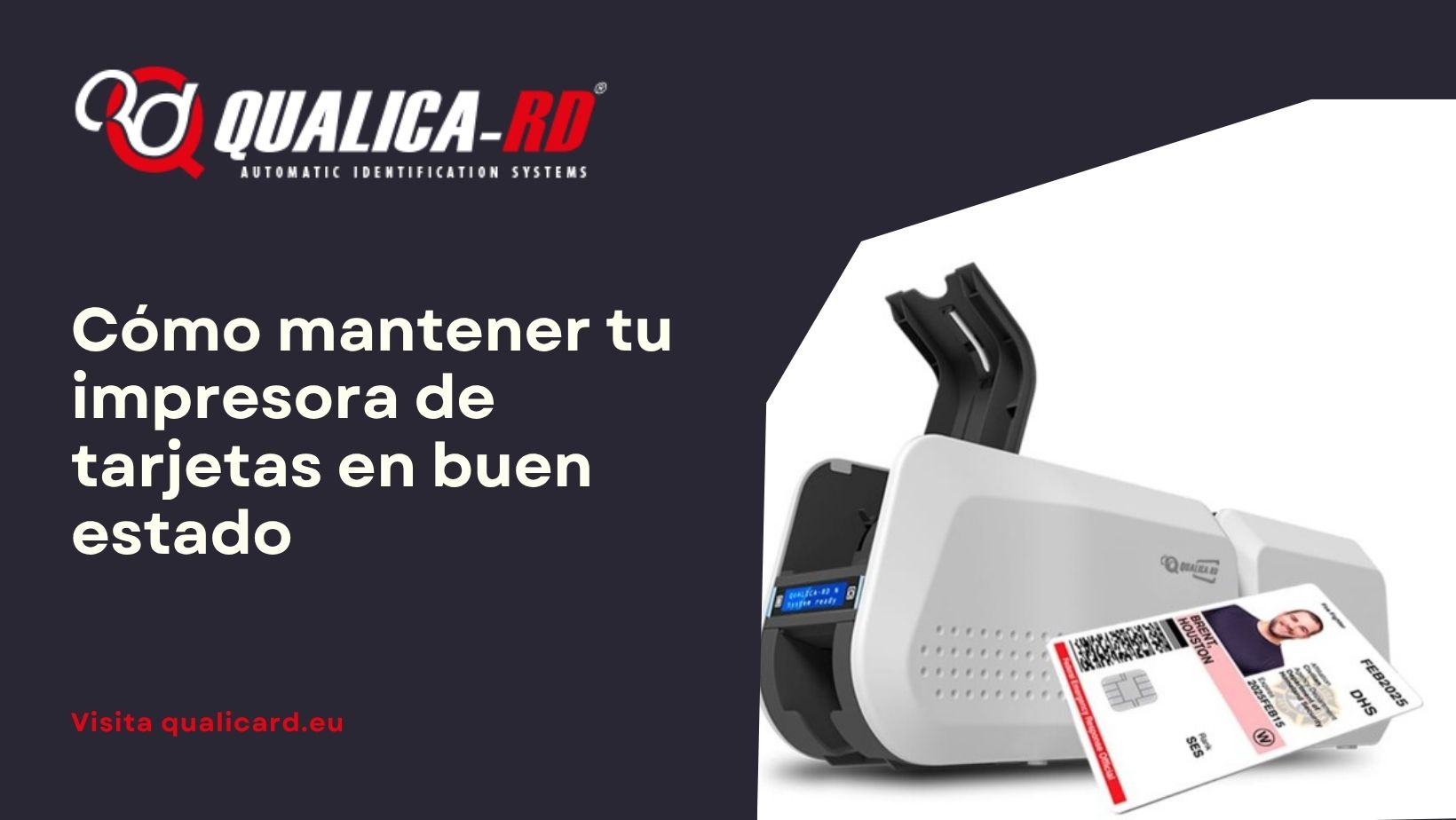
How to keep your card printer in good…
Cómo mantener tu impresora de tarjetas en buen estado El buen funcionamiento…
Go to Post