
Business Hours: Monday to Thursday: 7:00 AM – 3:00 PM (Support until 5:00 PM) | Friday: 7:00 AM – 3:00 PM (Support until 2:30 PM)
(+34) 957 326 107
Business Hours: Monday to Thursday: 7:00 AM – 3:00 PM (Support until 5:00 PM) | Friday: 7:00 AM – 3:00 PM (Support until 2:30 PM)
Copyright © 2025 Qualicard. All Rights Reserved.


Technical Support
The Revolution of Access Control Systems at Events
March 1, 2024
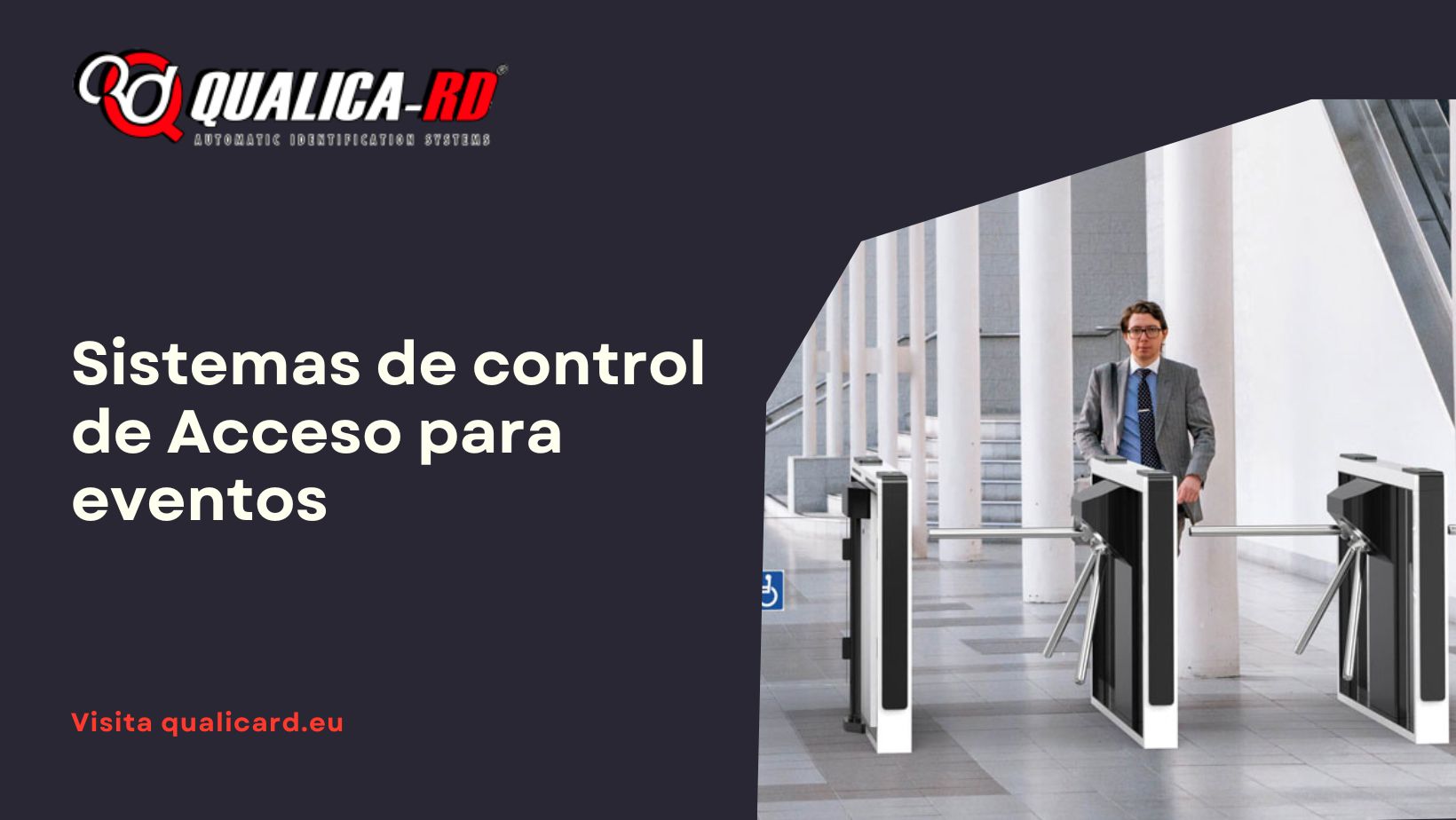
The Revolution of Access Control Systems at Events: Currently, the efficient management of the entry and exit of attendees at sporting events, concerts, and conventions has taken a new direction thanks to innovative technology in access control systems. These solutions not only offer security and organization but also enhance the user experience, marking a before and after in the global events industry.
Introduction to Access Control at Events
The digital era has completely transformed the way we organize and manage events, leading the industry to adopt new technologies to improve the experience for both organizers and attendees. Within this context, Access Control Systems for Events have become an indispensable tool, not only for security reasons but also for efficiency and the ability to provide valuable data on attendance and participant behavior.
Access control at events, from large concerts to conferences and sporting events, has evolved from traditional methods like paper tickets to advanced technological solutions that include the use of QR codes, RFID wristbands, and mobile applications. These innovations offer faster and more secure access, reducing queues and enhancing the user experience. At the same time, they allow organizers real-time monitoring of attendance and better management of event capacity.
Moreover, the flexibility of modern access control systems allows for the adaptation of each event experience to its specific needs. Whether at sporting events, where meticulous entry control is crucial for the safety of attendees, or at concerts, which require smooth management of large crowds, technology has opened up a world of possibilities to customize and enhance every aspect of event access.
What are Access Control Systems?
Access Control Systems represent an essential technological solution for the secure and efficient management of the entry and exit of attendees at various types of events. These technological tools not only facilitate crowd management but also ensure that only authorized individuals can access restricted areas, which is vital for maintaining safety and order at any event.
In its application, the systems range from proximity cards, QR codes, to more advanced solutions such as facial or biometric recognition, thus offering a wide range of options tailored to the specific needs of each event. The choice of the access control system most suitable depends on various factors, including the size of the event, the desired level of security, and the experience that is to be offered to the attendees.
Currently, the use of these systems goes beyond simple entry and exit management, incorporating functionalities that enrich the user experience, such as access to real-time information about the event, social interactions, and even integrated purchases within the system itself. This constant evolution in access control systems shows a trend towards the creation of increasingly interactive, secure, and personalized events.
Importance of Access Control Today
Today, access control has become an indispensable tool in managing security and organization in both private and public spaces. Its importance lies not only in the ability to limit access to restricted areas but also in its role as an element of crowd control, thus ensuring a safe and orderly environment. This is especially relevant in a context where mass events and gatherings present significant challenges in terms of security and logistics.
Moreover, technological advancement has allowed access control systems to evolve, offering increasingly innovative and effective solutions. From systems based on identification cards to biometric solutions and mobile applications, the variety of available options allows for the adaptation of access control to the specific needs of each situation. This demonstrates the flexibility and adaptability of these systems in response to the changes and demands of the modern world.
The implementation of efficient access control systems not only enhances security but also elevates the perception of professionalism and modernity of an organization or event. In a world where security is a priority, having a robust and reliable access control system has become a common expectation for attendees and participants. The importance of these systems, therefore, transcends their primary function, becoming a symbol of trust and commitment to the well-being of individuals.
Types of Access Control Systems for Events
In the world of events, regardless of their nature, security and organization are fundamental to ensuring the experience of each attendee. This is where access control systems come into play, an essential tool that has evolved with technology to offer efficient solutions tailored to the needs of each event. From large concerts to professional conferences, the types of access control systems for events vary significantly, allowing for the selection of the most suitable option for each situation.
The choice of the appropriate access control system can make a substantial difference in managing the flow of people, ensuring not only security but also a better experience for attendees. The most common systems include traditional methods of control using guest lists and identification wristbands, as well as advanced technological solutions such as mobile applications and systems based on RFID or facial recognition.
Each type of system offers particular benefits. For example, RFID wristbands facilitate quick and secure entry, as well as providing additional options such as access control to VIP areas or integration with contactless payment systems. On the other hand, mobile applications not only allow for access control but can also enhance the user experience by providing relevant information about the event in real time.
RFID Technology-Based Systems
In the world of event organization, the adoption of RFID Technology-Based Systems (Radio Frequency Identification) marks a turning point in the way we manage access control. These systems not only offer an efficient and secure solution for handling large crowds but also expand interaction possibilities, providing a unique experience for both organizers and attendees.
The use of RFID technology at events allows for a rapid ticket verification, significantly reducing queues and improving customer satisfaction. Furthermore, this system enables better data collection on attendees’ habits and preferences, allowing for better planning and personalization of future events. Undoubtedly, RFID technology is redefining the gold standard for access control systems at events.
In addition to enhancing the user experience, the implementation of RFID technology in access control opens doors to new forms of interaction and engagement with attendees, such as contactless payments, interaction with activation stations, and much more. The enhanced security and the ability to efficiently manage large volumes of people are just the tip of the iceberg of what these systems can offer today.
Access Control through Biometrics
The implementation of access control through biometrics is revolutionizing the way we manage entry and security at events. Integrating systems that recognize unique characteristics of individuals, such as fingerprints, facial recognition, or iris patterns, not only elevates the level of security but also streamlines the flow of attendees, providing an unprecedented experience for both organizers and participants.
Biometrics, with its ability to provide fast and accurate identifications, is becoming the preferred solution over traditional access control methods. This is because it significantly minimizes the risk of unauthorized entry, virtually eliminating the possibility of duplication or forgery of access credentials.
Moreover, biometric access control can be seamlessly integrated with event management systems, further simplifying access logistics and providing real-time statistics on attendance. This not only enhances security but also provides valuable data for decision-making and the customization of future events.
QR Code and Mobile Application Access Systems
In the digital age we live in, QR Code and Mobile Application access systems have revolutionized the way we manage entry to events and meetings. Their implementation not only facilitates a quick and secure entry but also contributes to a much smoother experience for both organizers and attendees. Thanks to these systems, it is possible to minimize waiting lines and ensure a more efficient entry verification.
QR codes, for example, allow for quick reading and identification of the ticket or digital invitation. The process is simple: the attendee receives their ticket in digital format, which includes a unique QR code. Upon arriving at the event, they only need to show their code, which is scanned with a special device or even a smartphone, allowing for immediate access. This system not only streamlines the entry flow but also enhances security, reducing the chances of fraud or duplicate tickets.
On the other hand, specialized Mobile Applications for events go a step further, offering additional functionalities such as the ability to interact with other attendees, access relevant event information in real-time, and even make in-app payments for services or products within the event. The integration of these applications with access control systems represents a significant advancement in event management, providing a 360-degree experience for all participants.
Implementation of Access Control Systems
The implementation of access control systems in different environments, especially in events and venues with large crowds, is now more than ever a key piece in managing security and operational efficiency. With the constant progress of technology and the growing need for robust and reliable systems, adopting an effective access control strategy becomes a critical factor for the success of any event or facility.
The adoption of these technologies not only enhances the ability to manage and monitor the flow of people but also allows for a more organized and satisfying experience for attendees. Implementing an appropriate access control system can make the difference between an event remembered for its smoothness and organization or one marked by chaos and complications.
Moreover, the implementation of these systems provides an extra layer of security, ensuring that only authorized individuals can access certain areas. This is especially important at large-scale events, where effective access control is not only a matter of order but also of protection for both attendees and staff.
Therefore, understanding the specific needs of each event or venue and choosing an access control system that aligns with these, taking into account the available technology and current trends, is essential. The right choice will not only facilitate better event management but also enhance security, thereby contributing to the overall success and positive perception by the participants.
Pre-Implementation Considerations
The implementation of access control systems at any event, building, or company is not a task to be taken lightly. It requires detailed planning and a clear understanding of the objectives to be achieved. Before taking the step towards the implementation of these technologies, there are several pre-implementation considerations that must be taken into account to ensure the success of the project.
First, it is essential to conduct a thorough analysis of the specific security and control needs that need to be addressed. This includes understanding the flow of people that is expected to be managed, identifying critical access points, and considering the nature of the events or activities being held. It is at this point where the needs must align with the capabilities of the different access control systems available in the market.
Moreover, another key aspect is the evaluation of the existing infrastructure. In many cases, the implementation of a new access control system may require modifications to the physical structure of the facilities or integration with already existing electronic security systems. Therefore, close collaboration with technology providers and security experts is essential to design a solution that is not only effective but also scalable for the future.
In summary, the adoption of access control systems represents a significant investment in the security and efficiency of any operation. However, to ensure that this investment returns the maximum possible value, it is critical to address these prior considerations with the utmost detail and attention.
Steps for a Successful Implementation
Before embarking on the implementation of access control systems for events or facilities, it is crucial to consider a series of aspects that will ensure the success and efficiency of the system. First, evaluating the specific security and management needs of the event or location is essential to select the most suitable technology and type of system. It is important to ask: What level of security is required? What is the expected influx of visitors or participants?
Secondly, the existing infrastructure plays a decisive role in the choice of the system. Organizers must consider whether modifications or updates to the infrastructure are required to make it compatible with the new access control system. Likewise, the available budget may mean the difference between opting for a more technologically advanced solution, such as biometrics or RFID-based systems, and a more traditional yet equally effective one.
Finally, the importance of proper training for the personnel who will operate and manage the system should not be underestimated. A well-trained team can maximize the system’s capabilities, thus ensuring that security is maintained and a positive experience is provided for both organizers and attendees. Careful planning and consideration of these factors are essential for a successful implementation of access control systems.
Final Testing and Adjustments
The final testing and adjustments phase is crucial to ensure the effectiveness and efficiency of access control systems at any event or facility. This stage allows for the identification and correction of any issues before final implementation, thus ensuring security and smooth access for attendees.
During testing, it is important to simulate different scenarios and situations that may arise during the actual event. This includes high foot traffic, unauthorized access attempts, and interoperability with other systems such as ticketing or guest management. The meticulousness in this phase can prevent failures and vulnerabilities that affect the user experience or compromise the security of the event.
Final adjustments, for their part, should focus on both optimizing system performance and enhancing user experience. This could include, for example, adjusting the sensitivity of biometric readers or updating the access mobile application interface to make it more intuitive. Feedback obtained during pilot tests with real users becomes an invaluable tool for refining every detail of the system.
In conclusion, the more exhaustive and well-planned the tests and final adjustments are, the greater the security and satisfaction in accessing events will be. The implementation of access control systems is an investment in peace of mind and professionalism, and as such, it requires meticulous attention even to the smallest details to ensure its success.
Benefits and Challenges
In today’s digital era, access control systems represent a fundamental pillar for ensuring efficiency and security in various types of events. These systems not only offer innovative solutions for managing the flow of people but also respond to the emerging challenges in event management.
The implementation of advanced systems such as biometrics, QR codes, and mobile applications has revolutionized the way organizers and participants interact, thus offering an unprecedented experience. These technologies facilitate not only secure and fast access to the venue but also real-time data management, allowing for more agile and informed decision-making.
In addition to improving security and efficiency, modern access control systems offer an opportunity to customize the attendee experience, adapting to their personal needs and preferences. This not only increases participant satisfaction but also fosters greater interaction and engagement during the event.
In summary, the adoption of state-of-the-art access control systems is crucial to face the current challenges in event organization, thus ensuring a safe, smooth, and memorable experience for all involved. Continuous innovation in this field promises to raise the standard even higher of what can be achieved, paving the way for the future of event management.
Advantages of Implementing an Access Control System
The implementation of an access control system in any environment, especially in events or high-traffic facilities, not only significantly improves security but also enhances the efficiency in managing attendees and resources. These systems, ranging from RFID technologies to biometric solutions and mobile applications, allow for detailed management of who can or cannot access certain areas, at what times, and under what conditions.
The advantages of implementing an access control system are multiple and varied. On one hand, they provide an additional layer of security, preventing unauthorized access and enabling a quick response in case of emergencies. On the other hand, they optimize human and technical resources by automating processes that traditionally required manual management, such as verifying entries at large-scale events.
Moreover, these systems provide a smoother and more satisfying experience for the user or attendee. The speed of registration and access to events minimizes queues and unnecessary waits, significantly improving the perception of the event and the organizing brand or entity. The implementation of access control systems thus becomes not only a security measure but also a highly valuable management and marketing strategy.
However, the choice of the appropriate system must be considered carefully, taking into account the specific needs of the event or facility, as well as the existing infrastructure and the necessary investment. The challenges can be diverse, from integration with current systems to training personnel or acceptance by users. Detailed planning and advice from experts are key in the implementation process to ensure that potential advantages become tangible realities and long-term benefits.
Common Challenges and How to Overcome Them
In today’s world, where security and efficiency are paramount, facing the common challenges of implementing an access control system is an inevitable task for many organizations. These systems not only provide an additional layer of security but also ensure efficient management of resources. However, the implementation of these systems can come with both technical and organizational obstacles.
One of the main challenges lies in the technological integration with existing systems. Often, legacy infrastructures are not prepared to support new technologies, which can result in a fragmented or even incompatible implementation. The key to overcoming this challenge is to conduct a thorough analysis of the needs and the existing infrastructure, followed by meticulous planning that considers both current limitations and future needs.
Another aspect to consider is the resistance to change from end users. Switching to a new access control system can raise concerns about privacy and ease of use. To address this issue, it is crucial to foster a culture of transparency and education, ensuring that all stakeholders fully understand the benefits and operation of the new system. Proper training and ongoing support are essential to facilitate a smooth transition.
In conclusion, while the challenges are significant, with proper planning, analysis, and a user-centered approach, it is possible to overcome these obstacles and make the most of the benefits that access control systems offer to enhance the security and efficiency of any organization.
Success Stories: Access Control at Sports Events and Concerts
The implementation of access control systems at sports events and concerts has transformed the way organizers and attendees experience these gatherings. A notable success story is the use of RFID technology at large-scale music festivals, allowing for smooth and secure entry, as well as efficient management of the flow of people. Furthermore, the adoption of biometric systems at high-profile sports events has raised security standards, ensuring that only authorized attendees can access restricted areas.
These technological advancements not only enhance the user experience but also provide organizers with valuable data on attendance and spectator behavior. Real-time tracking and analytics provided by these access control solutions empower data-driven decision-making, facilitating the organization of future events. Consequently, the use of QR code access systems and mobile applications has proven instrumental in increasing customer satisfaction and strengthening event security.
Conclusion: The Future of Access Control at Events
The events sector has undergone significant changes thanks to the evolution of technology, with access control being one of the aspects that has experienced the most transformations. As we enter a more connected era, the future of access control at events looks promising, offering not only greater security but also an optimized experience for both organizers and attendees. Advances in technologies such as biometrics, RFID, and mobile applications have revolutionized the way people enter and exit, ensuring smooth and hassle-free access.
The implementation of efficient access control systems not only reduces security risks, but also allows for more accurate data collection, which can be used to enhance the event experience. This, in the long run, translates into more successful events and greater satisfaction among attendees. However, we must not forget the challenges that these systems can present, such as the need for constant updates and the secure and private management of data. Despite these challenges, the future of access control at events looks like a path full of innovations that will continue to improve security and the experience of events in all aspects.
In conclusion, the future of access control at events is bright and promises to transform events into more secure, efficient, and personalized experiences. The key will be how event organizers adopt these technologies and adapt to changes, ensuring not only the safety of attendees but also an unforgettable experience. As technology advances, so does our ability to create events that once seemed impossible, marking the beginning of a new era in the events industry.
Share
Related News
-

-

-
 Distributors Meeting 2024 17 Nov

How to control access at high-attendance events
Cómo controlar el acceso en eventos de gran afluencia: guía completa Organizar…
Go to Post

Ventajas del control de accesos en eventos
Ventajas del control de accesos en eventos: Seguridad y organización al máximo…
Go to Post

Distributors Meeting 2024
Qualica-RD organiza una oportunidad única para que sus distribuidores se conecten, intercambien…
Go to Post