
Business Hours: Monday to Thursday: 7:00 AM – 3:00 PM (Support until 5:00 PM) | Friday: 7:00 AM – 3:00 PM (Support until 2:30 PM)
(+34) 957 326 107
Business Hours: Monday to Thursday: 7:00 AM – 3:00 PM (Support until 5:00 PM) | Friday: 7:00 AM – 3:00 PM (Support until 2:30 PM)
Copyright © 2025 Qualicard. All Rights Reserved.


Technical Support
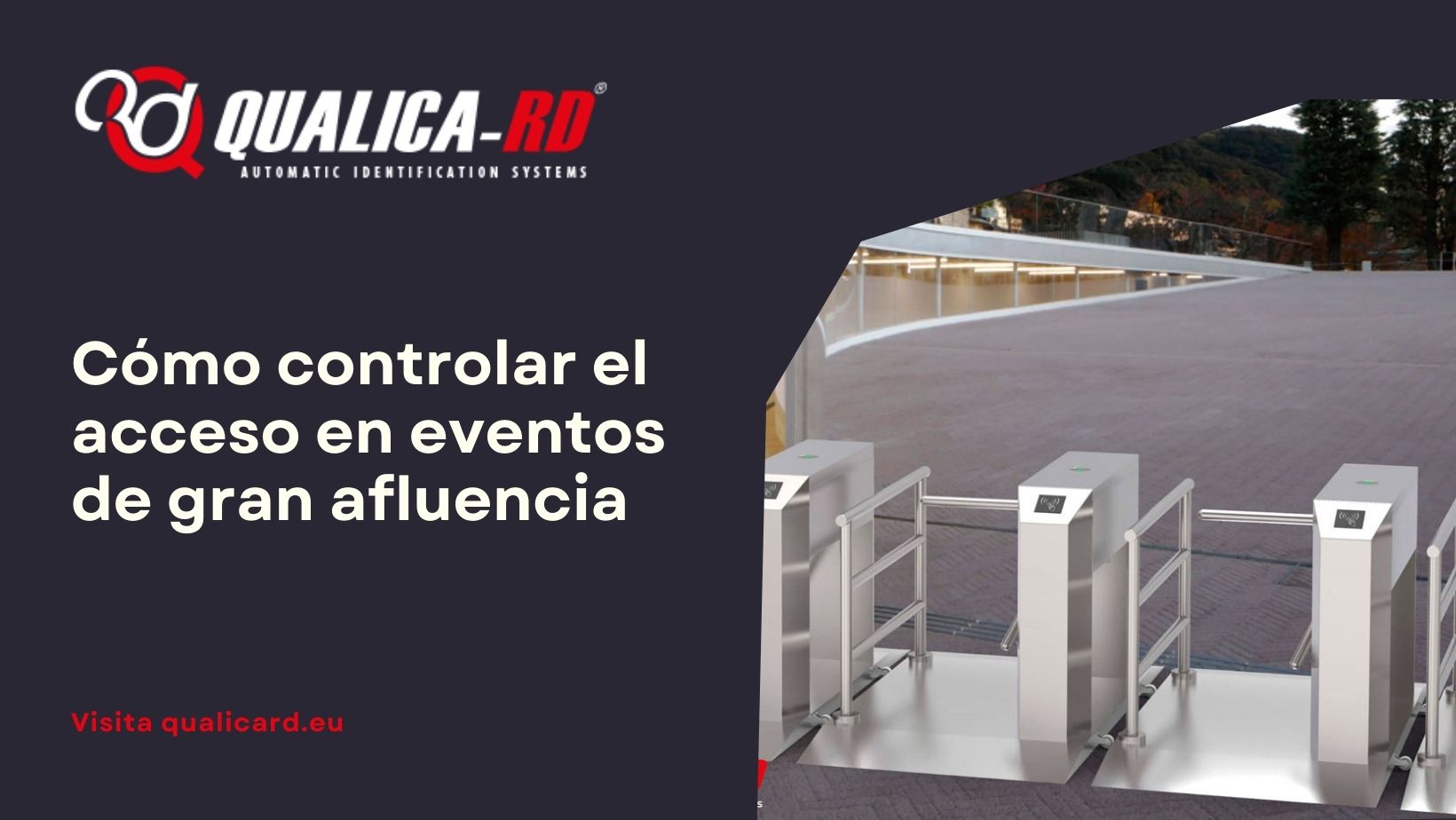
How to control access at high-attendance events
September 1, 2025
{“origen”:”es”,”destino”:”en”,”texto”:”
How to Control Access at High Attendance Events: Complete Guide
Organizing events with a large number of attendees involves logistical and security challenges that should not be underestimated. One of the most critical aspects is how to control access at high attendance events, as it affects both the audience’s experience and the organizational success. In this article, we explain the best practices, recommended technologies, systems like turnstiles, and key strategies to implement a secure, efficient, and professional access control.
Why is Access Control Crucial at Mass Events?
Access control allows for managing capacity, preventing overcrowding, filtering entry only to accredited individuals, and providing a safe experience from the first contact with the event. Additionally, it becomes an essential tool for complying with regulations, preventing risks, and obtaining real-time metrics.
- Prevents unauthorized or duplicate entry.
- Facilitates compliance with health and safety regulations.
- Reduces waiting time at access points.
- Optimizes resources and logistical personnel.
- Provides valuable data for decision-making and post-event evaluations.
Main Access Control Technologies
Currently, there are multiple technological solutions to manage access at events securely and efficiently. The choice will depend on the type of event, its size, budget, and target audience.
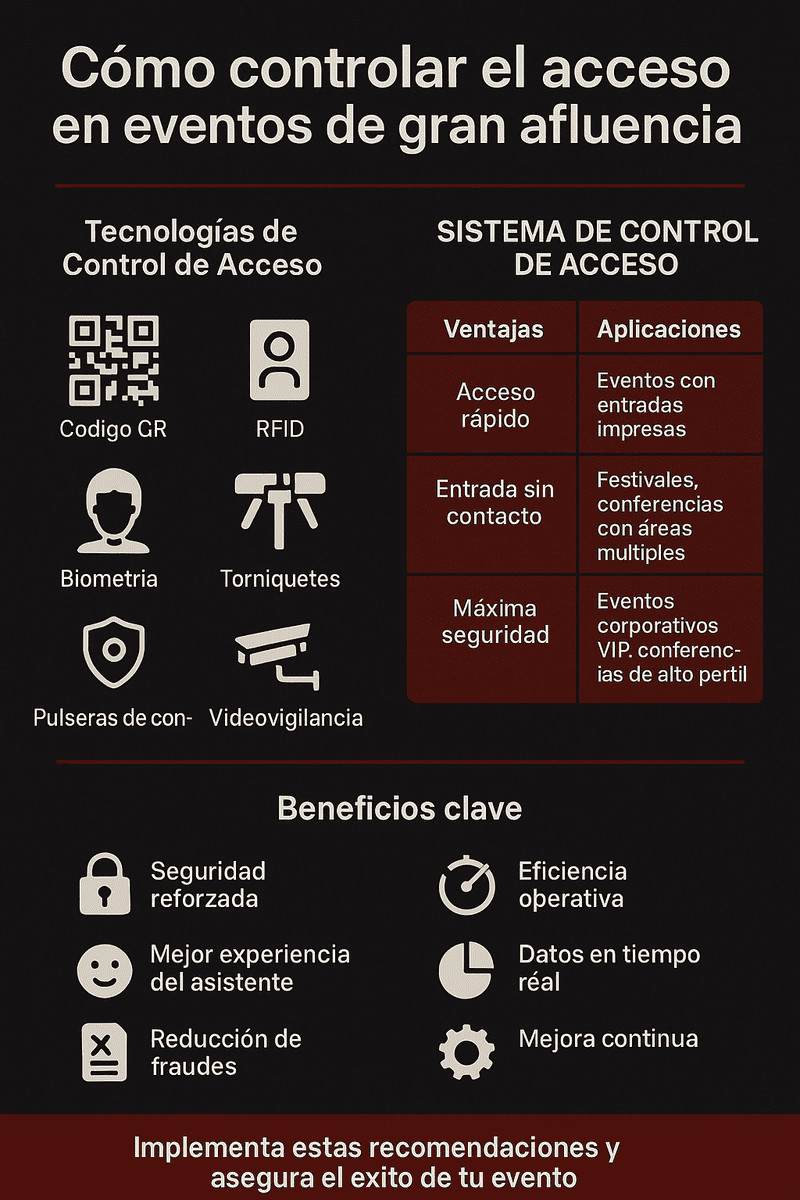
- QR Codes and Barcodes: widely used for their low cost and ease of reading. They easily integrate with mobile apps.
- RFID: ideal for contactless entry, multiple access, and zone control. Commonly used at festivals and conferences.
- Biometrics: uses data such as fingerprints or facial recognition. Provides high security and personalization.
- Electronic Turnstiles: ensure single-person access and can be combined with other technologies for greater security.
- Smart Wristbands: offer visual identification, color-coded control, and integrated functions (payment, VIP area, etc.).
- Video Surveillance and Drones: allow monitoring of large areas and real-time incident detection.
Turnstiles for Access Control: Security and Efficiency for Mass Events
Turnstiles are one of the most effective tools for ensuring controlled and uninterrupted access at high attendance events. They function as physical entry points that allow or deny passage to attendees, usually after validating a digital ticket.
Most Common Types of Turnstiles
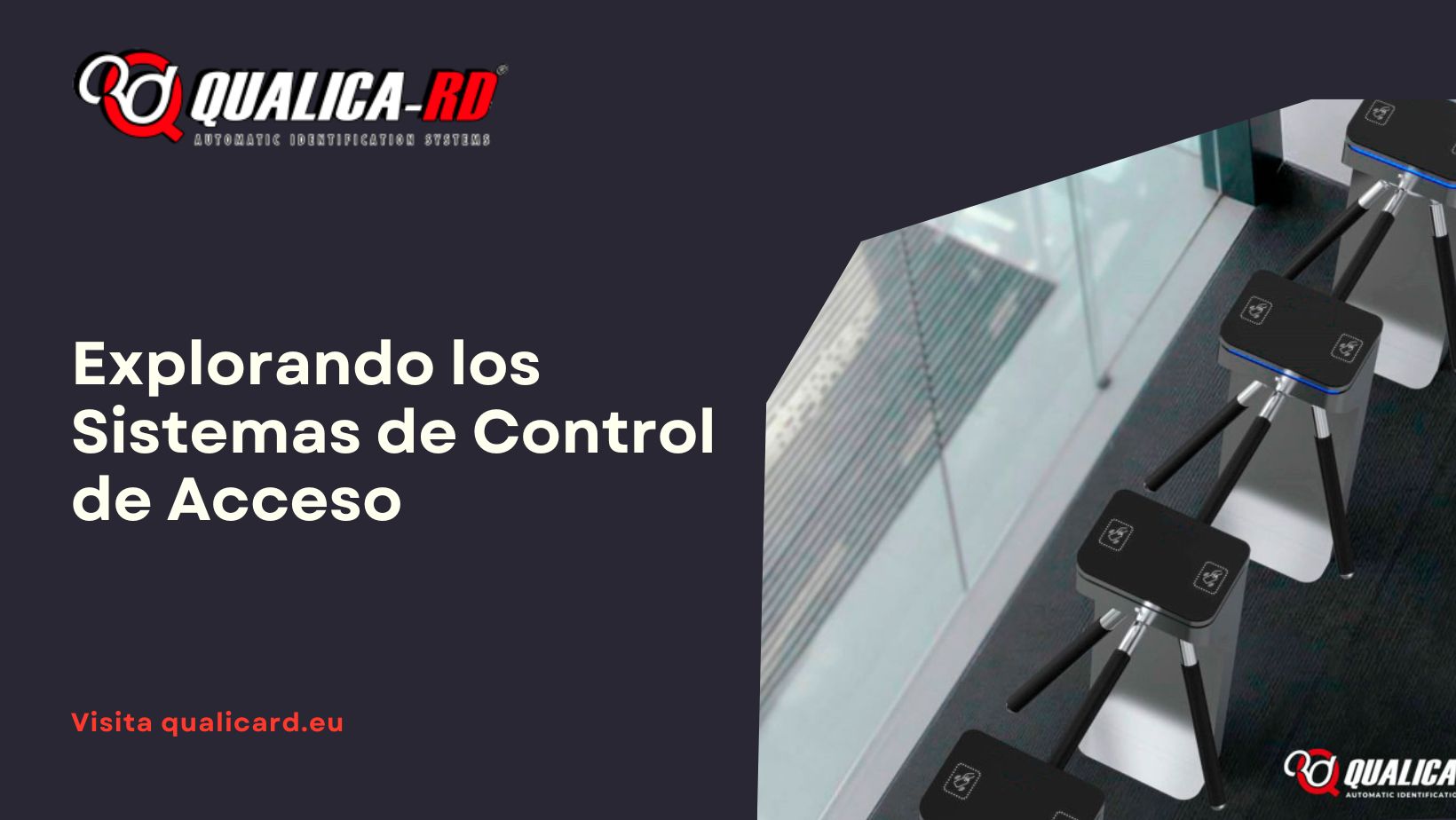
- Tripod Turnstiles: economical, durable, suitable for large volumes of people.
- Full-Height Turnstiles: maximum security for high-risk events.
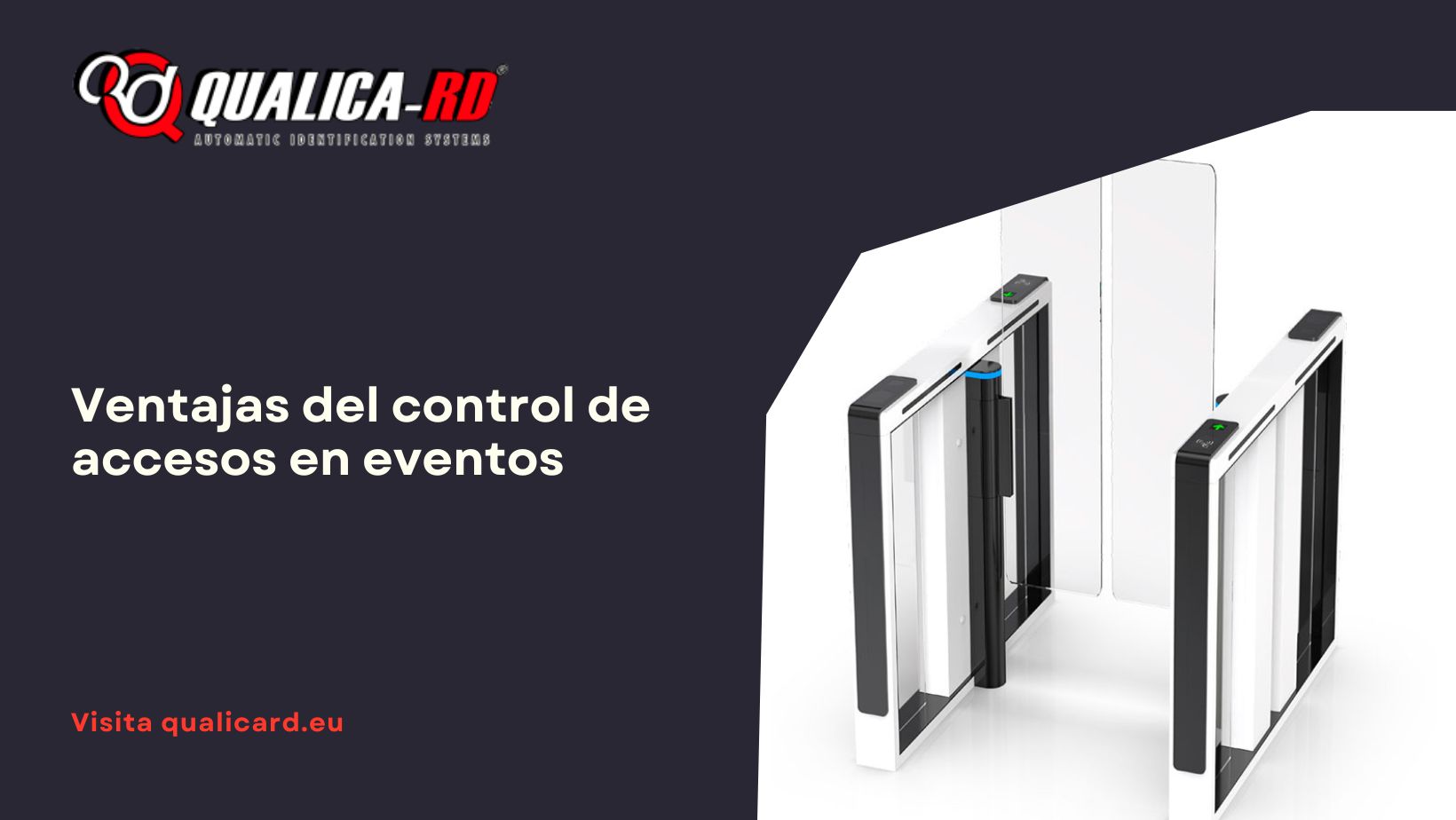
- Speed Gates: aesthetic and fast, recommended for corporate or VIP environments.
- Mobile Turnstiles: portable and easy to install for temporary or outdoor events.
Advantages of Implementing Turnstiles in Access Control
- Individual Filtering: each person accesses in a controlled manner without overcrowding.
- Real-Time Synchronization: allows for instant visibility of capacity and entry flow.
- Compatibility: works with cards, RFID wristbands, QR codes, or biometrics.
- Reduced Margin of Error: minimizes duplicate or unauthorized entries.
- Reduced Personnel: automates the access process.
Implementation Tips
- Conduct tests before the event to avoid technical failures.
- Place assistance personnel to guide and resolve incidents.
- Install clear signage to indicate the correct use of the turnstile.
- Integrate turnstiles with a real-time capacity control system.
Comparison of Access Control Systems
| System | Advantages | Recommended Use |
|---|---|---|
| QR Codes / Barcodes | Low cost, quick reading, easy integration | Medium and large events with digital tickets |
| RFID | Contactless access, zone control | Festivals, fairs, exhibitions |
| Biometrics | High security, personalized access | VIP, corporate, or governmental events |
| Turnstiles | Single-person control, capacity synchronization | Events with a large number of attendees |
| Smart Wristbands | Visual, functional, anti-counterfeiting | Concerts, multi-day fairs |
| Video Surveillance / Drones | Global monitoring, risk prevention | Outdoor, mass, or urban events |
Benefits of a Good Access Control System
- Increased Security: prevents unauthorized access, disturbances, and overcrowding.
- Improves User Experience: minimal waiting times and continuous flow.
- Real-Time Data: exact capacity control and the ability to make immediate decisions.
- Resource Optimization: less need for personnel, better operational planning.
- Professional Image: conveys organization, innovation, and trust.
- Fraud Prevention: eliminates ticket duplication and counterfeiting.
Final Recommendations for Successful Access
- Define clear entry and exit flows, with well-marked routes.
- Use combined technology: turnstiles + QR + video surveillance for greater effectiveness.
- Segment access by audience type: VIP, press, staff, general, etc.
- Conduct drills and technical tests before the event.
- Consider hiring a specialized company in access control.
Now that you know in detail how to control access at high attendance events, you can apply these strategies to ensure safe, orderly, and professional entry. Access control systems such as turnstiles, RFID, or digital credentials not only enhance security but also provide valuable data and elevate the event’s perception.”}
Implementing these technologies and best practices will allow you to anticipate problems, enhance the attendee experience, and stand out as an organizer. Make your event start off on the right foot from the entrance!
Frequently Asked Questions about Controlling Access at Large Events
When planning events with a large number of attendees, common questions arise about the methods, tools, and best practices to ensure efficient access control. Below, we address some of the most frequent concerns.
What is the best technology for controlling access at large events?
There is no single universal technology, but the most effective ones are usually a combination of turnstiles with QR or RFID reading, and the use of real-time software for capacity control. This combination offers speed, accuracy, and security.
How many access points should I have at a large event?
It will depend on the estimated number of attendees, but as a general rule, it is recommended to have at least one access point for every 300 to 500 people. It is vital to have differentiated entries by type of accreditation to improve flow.
What happens if the access control system fails during the event?
There should always be a contingency plan, which includes manual backup (printed lists or alternative scanners), trained personnel to act quickly, and systems with real-time technical support. Prevention is key to avoiding interruptions.
Share
Related News
-

-
 Distributors Meeting 2024 17 Nov
 -

Ventajas del control de accesos en eventos
Ventajas del control de accesos en eventos: Seguridad y organización al máximo…
Go to Post

Distributors Meeting 2024
Qualica-RD organiza una oportunidad única para que sus distribuidores se conecten, intercambien…
Go to Post
Exploring Access Control Systems: Security and Technology at…
Explorando los Sistemas de Control de Acceso: Seguridad y Tecnología al Servicio…
Go to Post