
Business Hours: Monday to Thursday: 7:00 AM – 3:00 PM (Support until 5:00 PM) | Friday: 7:00 AM – 3:00 PM (Support until 2:30 PM)
(+34) 957 326 107
Business Hours: Monday to Thursday: 7:00 AM – 3:00 PM (Support until 5:00 PM) | Friday: 7:00 AM – 3:00 PM (Support until 2:30 PM)
Copyright © 2025 Qualicard. All Rights Reserved.


Technical Support
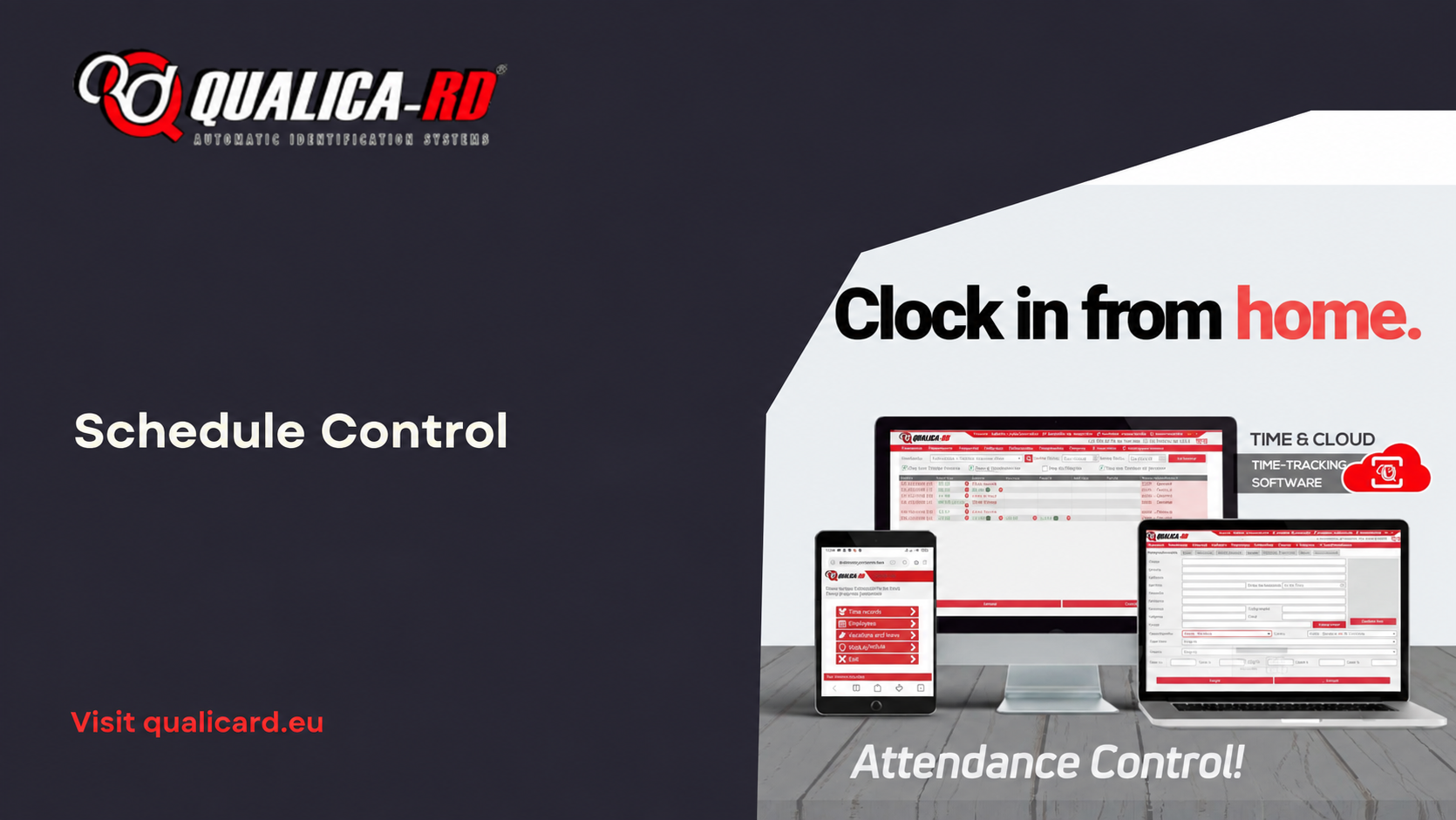
Schedule control: Organization and efficiency at work
December 5, 2024
Time Management: Organization and Efficiency in the Workplace
In an increasingly dynamic work environment, time management becomes a crucial aspect for the success of any company. Time management not only optimizes resources and improves productivity but also contributes to the welfare of employees. In this article, we will explore what time management is, its importance in the workplace, the available methods to implement it, and how to carry out this practice effectively. Join us on this journey towards better organization of work time!
What is Time Management?
Efficient time management in the workplace refers to the ability to supervise and organize working hours, ensuring that each employee meets their responsibilities within a specific time frame. This process includes collecting data on attendance, hours worked, and breaks, allowing companies to make informed decisions. An appropriate approach to time management helps reduce absenteeism and fosters a more disciplined work environment.
The time control systems can range from manual methods, such as log sheets, to advanced digital solutions that integrate into the company’s infrastructure. These latter tools allow for real-time tracking, facilitating the identification of work patterns and compliance with regulations. Implementing technology in this area not only saves time but also minimizes the risk of human errors, resulting in greater accuracy in time recording.
The impact of good time management extends beyond simple resource administration. By adopting effective practices in schedule control, an organizational culture that values commitment and responsibility is promoted. This positively affects team motivation, as they feel more valued when their time is respected and their work-life balance is protected.
Importance of schedule control in the workplace
Time management is essential for maximizing productivity in any organization. Having an effective schedule control system allows companies to prioritize tasks and allocate resources more effectively, resulting in an optimized workflow. This not only facilitates the supervision of individual performance but also helps to establish clear and achievable objectives.
The ability to monitor attendance and hours worked contributes to greater equity among employees. By implementing these practices, an environment of transparency and trust is established, where each team member understands their role and their impact on overall results. A work environment that respects everyone’s time and effort generates greater satisfaction and commitment from workers.
In a context where the balance between work and personal life is increasingly valued, a well-structured time control system also helps prevent burnout. Facilitating regular breaks and appropriate use of free time contributes to the mental and physical health of employees. Consequently, this not only promotes individual well-being but also translates into increased productivity and reduced employee turnover.
Benefits for companies
Implementing a time control system provides companies with a powerful tool to optimize their internal operations. The ability to monitor the time each employee dedicates to various tasks allows for the identification of areas for improvement and process adjustments. This not only increases efficiency but also minimizes operational costs, as resources are used more intelligently.
Organizations can benefit from greater clarity in time management, which facilitates project planning and task allocation. With an accurate record of hours worked, it is possible to set clear expectations and measure performance objectively. This transparency allows management to easily identify who excels and who may need additional support.
By adopting a proactive approach to time management, companies can also enhance their reputation. A work environment that values productivity and commitment to deadlines builds trust both internally and externally. Clients and business partners tend to value companies that demonstrate being organized and efficient, thus opening doors to new business opportunities.
Benefits for Employees
The implementation of an effective time control system not only benefits the company but also positively impacts employees. By allowing workers to have a clear record of their hours, an environment is fostered in which their time and effort are respected. This generates a sense of appreciation and recognition, key elements for maintaining a high level of job satisfaction.
By having more precise control over their workday, employees can better manage their personal and professional time. This organization contributes to a proper balance between work and personal life, resulting in less stress and greater overall well-being. Following a clear schedule also facilitates activity planning, which reinforces autonomy and individual responsibility.
An approach to efficient time management can lead to an increase in individual productivity. With clear expectations and a framework in which performance is monitored, employees feel motivated to achieve their goals and surpass their own targets. This productivity environment is not only beneficial for personal growth but also impacts the collective success of the organization.
Time Control Methods
The choice of an appropriate time control system is essential to ensure that organizations operate efficiently. Among the more traditional methods are manual attendance sheets, where employees record their entry and exit. Although this approach may seem simple, the possibility of human errors and the lack of accurate data can be problematic. The reliance on physical records also invites manipulation and inaccuracies in tracking worked time.
On the other hand, investing in automated digital solutions has become increasingly popular. These tools, ranging from management software to mobile applications, offer the ability to track working hours in real time. A simple and accessible interface allows employees to log their time efficiently, while managers can access detailed reports that facilitate informed decision-making. The integration of automated systems not only reduces errors but also improves visibility of work performance.
Another option that has gained ground is the use of biometric identification devices, such as fingerprints or facial recognition. These methods ensure that attendance records are unique and accurate, contributing to greater accountability among employees. Although the implementation of these systems may require a significant initial investment, the long-term benefits of reducing fraud and improving the accuracy of records are invaluable.
Manual systems vs automatic systems
The use of manual methods for time control has been a common practice for many decades. This approach involves employees recording their clock-in and clock-out times on paper sheets or forms. While this system may seem accessible and easy to implement, its reliance on written records can lead to significant human errors. Misspellings, accidents while writing, or simply the loss of documents are common situations that can affect the integrity of the information.
On the contrary, automatic systems provide a more effective and precise solution. With the use of software specifically designed for time management, organizations can have real-time tracking of hours worked. These platforms allow employees to log their time with a simple click, which not only saves time but also eliminates the risk of manual errors. Furthermore, the ability to generate detailed reports gives managers a clear view of their team’s performance.
One of the most notable advantages of automatic systems is the ability to integrate them with other business tools, such as project management and accounting. This interoperability allows for greater consistency in information and better resource planning. While manual methods can limit companies’ ability to adapt to rapid changes, automated solutions offer flexibility and scalability, preparing them to face the challenges of the modern business environment.
Example of automatic systems
A popular solution in the field of time control is time management applications that allow employees to digitally record their clock-in and clock-out. These tools often feature intuitive functions that facilitate access to real-time information. For example, the geolocation option allows workers to register their location at the time of clocking in, which is especially useful for companies with staff at different locations or that conduct fieldwork.
Some advanced platforms integrate reporting functions that allow managers to analyze attendance patterns and detect potential issues before they escalate into crises. This analytical capability provides companies with a competitive edge, as they can adjust their operational strategies based on concrete data. With interactive graphs and relevant KPIs, managers can have a clear view of how time is being utilized within the organization.
Another effective example is biometric-based time registration systems. By using fingerprint readers or facial recognition, companies can virtually eliminate the possibility of fraud in attendance control. This not only ensures that the data is accurate but also optimizes the clocking-in process, increasing convenience for employees and reducing unnecessary lines and waits.
How to implement a time control system
The key to implementing an effective time control system lies in selecting an appropriate tool that aligns with the company’s needs. When evaluating different options, it is important to consider factors such as ease of use, the ability to integrate with existing systems, and the specific functionalities offered. Conducting pilot tests with various software can be a good practice to determine which one best fits the team’s dynamics.
Once the tool is selected, establishing a clear communication plan is essential. Informing all employees about the new system, its benefits, and how to use it will contribute to a smoother transition. Providing training sessions can address questions and ensure that everyone feels comfortable with the change. Involving team members from the beginning not only fosters acceptance of the system but can also provide valuable suggestions for optimizing its use.
Maintaining constant monitoring after implementation is crucial to ensure that the system is functioning as expected. Collecting feedback from employees will help identify possible improvements and address any issues that may arise. This continuous evaluation will allow for process adjustments and, ultimately, maximize the efficiency of time control.
Conclusion on time control
Implementing an effective time control system has become a fundamental necessity for companies looking to improve their productivity and optimize resource use. The benefits are numerous, both for the organization as a whole and for employees individually. A well-structured system not only provides accurate data on time worked but also fosters a fairer and more balanced work environment.
The transition to automatic and digital methods in time management provides companies with the opportunity to challenge the limitations imposed by manual approaches. The efficiency offered by these tools contributes to better decision-making and facilitates long-term strategic planning. Agility in tracking schedules allows organizations to quickly adapt to changing market conditions and the needs of their teams.
Finally, effective time management translates into a positive impact on organizational culture. By prioritizing transparency and accountability, an environment is established where employees feel valued and motivated. This commitment to well-being and productivity not only results in better performance but also in talent retention, a critical factor for the sustainable success of any company.
Share
Related News

Fingerprint vs Facial Recognition vs Palm: Which Biometric…
The B2B buyer’s dilemma You have to implement an access control or…
Go to Post

How does time tracking with geolocation work?
How does time and attendance control with geolocation work? Time and attendance…
Go to Post
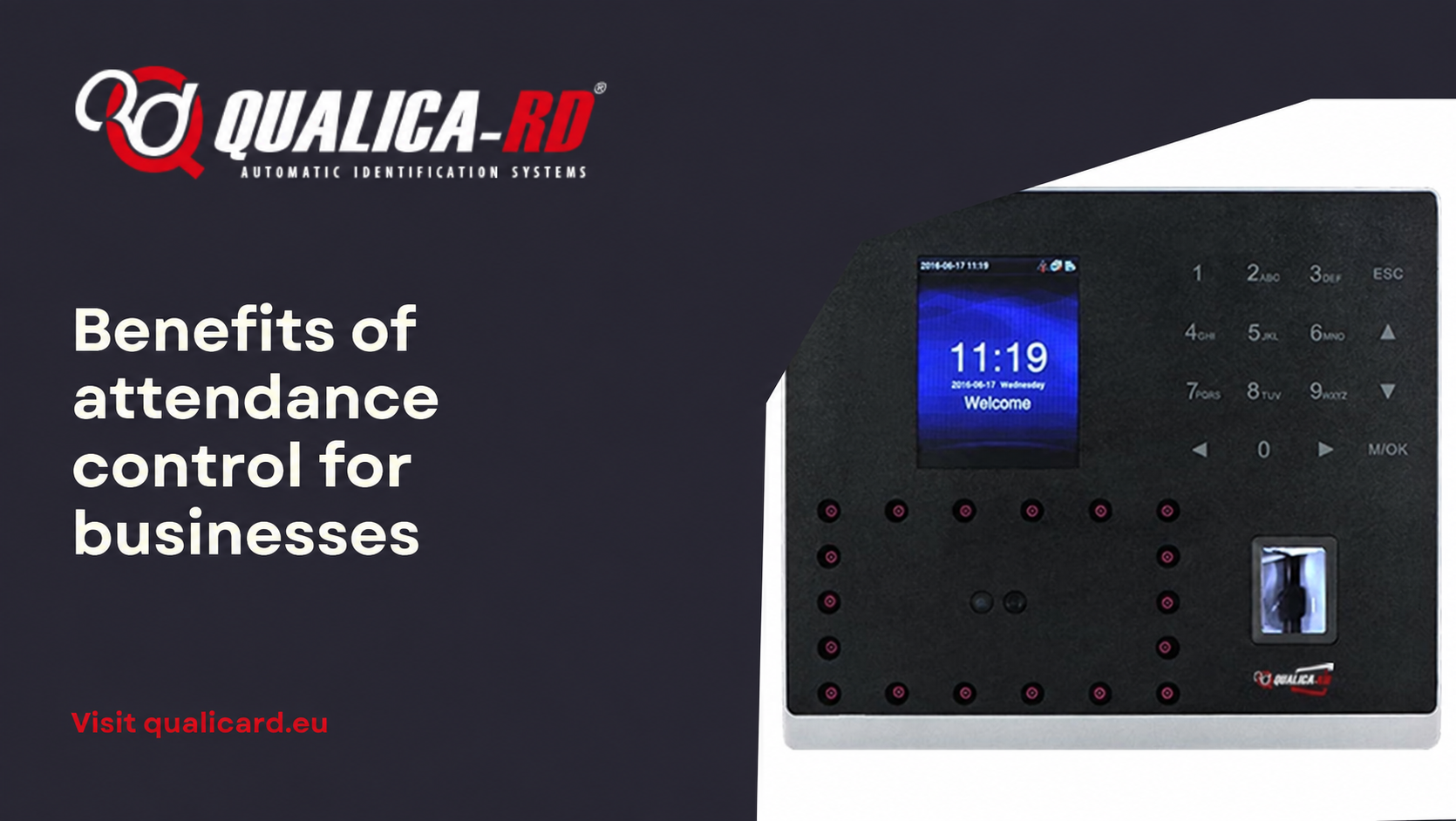
Benefits of attendance control for businesses
In today’s business environment, where operational efficiency and transparency are key to…
Go to Post