
Business Hours: Monday to Thursday: 7:00 AM – 3:00 PM (Support until 5:00 PM) | Friday: 7:00 AM – 3:00 PM (Support until 2:30 PM)
(+34) 957 326 107
Business Hours: Monday to Thursday: 7:00 AM – 3:00 PM (Support until 5:00 PM) | Friday: 7:00 AM – 3:00 PM (Support until 2:30 PM)
Copyright © 2025 Qualicard. All Rights Reserved.


Technical Support
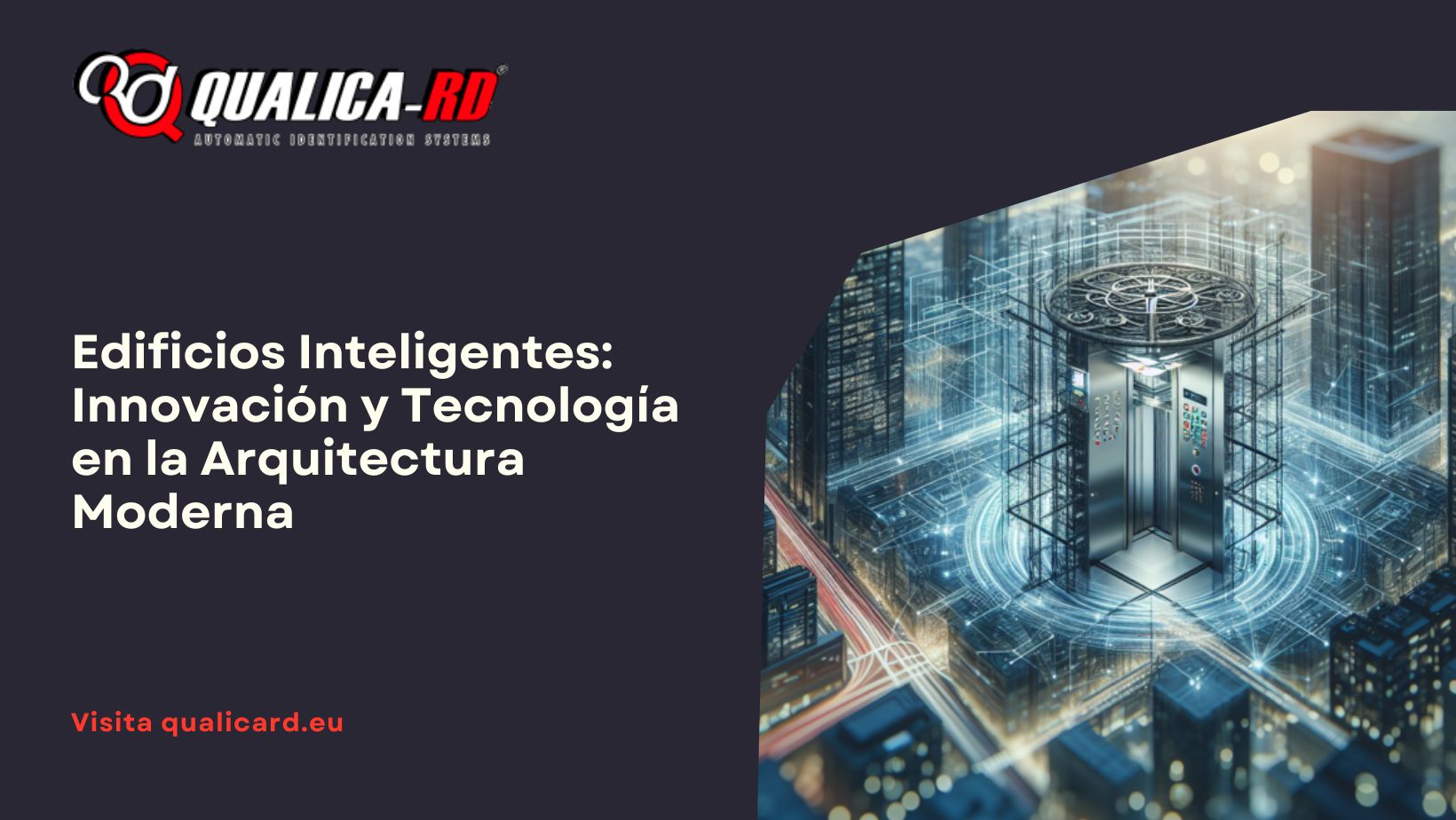
Smart Buildings: Innovation and Technology in Modern Architecture
September 12, 2024
Discover Smart Buildings: Innovation and Technology in Modern Architecture
What Are Smart Buildings?
Smart buildings represent an innovation in modern architecture, integrating advanced technology to optimize their operation. These buildings are designed to offer greater energy efficiency, security, and comfort to users. Their automation and energy management systems allow for precise control of resources, contributing to energy efficiency.
Among the main features of smart buildings are the ability to adapt to the changing needs of their occupants, the implementation of advanced control systems, and the integration of technologies to enhance security and comfort within. These buildings aim to provide a more connected and sustainable living experience, promoting the well-being of those who inhabit them.
The technology in smart buildings enables efficient resource management, from lighting to climate control, adapting to environmental conditions and user needs. With a solid technological infrastructure, these buildings represent a step towards sustainability in the construction and operation of architectural spaces.
In summary, smart buildings are an example of how the integration of technology and architecture can transform our urban environment, promoting efficiency, security, and sustainability in the habitable spaces of the future.
Definition and Functioning of Smart Buildings
Smart buildings are defined by their ability to utilize advanced technology in order to optimize their operation and provide a more efficient and secure environment for their occupants. These buildings integrate automation systems that control various aspects, such as lighting, climate control, and access, with the aim of enhancing the user experience. The operation of smart buildings is based on the interconnection of devices and sensors that collect information about the environment and the building’s usage patterns. This information is processed and used to make real-time decisions, allowing for more efficient resource management and a quick response to emergency situations. The integration of control technologies in smart buildings allows for constant monitoring of their operation, with the ability to automatically adjust systems according to detected needs. This capacity for adaptation and continuous optimization is what distinguishes smart buildings as an innovative and advanced solution in the construction sector. In conclusion, the definition and functioning of smart buildings focus on the use of technology to improve efficiency, security, and comfort in habitable spaces, offering a more connected and adaptable environment to meet user needs.
Main Characteristics of Smart Buildings
The main characteristics of smart buildings stand out for their focus on energy efficiency, sustainability, and the security of habitable spaces. These buildings are equipped with automation systems that allow for optimal resource management, adapting to the changing needs of users and the environment. The integration of advanced technologies in smart buildings provides them with the ability to monitor and control various aspects, such as lighting, climate control, access, and security. The interconnection of these systems allows for more efficient operation and a quick response to emergency situations, ensuring the comfort and well-being of occupants. Another key characteristic of smart buildings is their ability to collect and analyze data in real-time, enabling them to proactively adjust their systems to maximize efficiency and minimize energy consumption. These buildings are distinguished by their focus on technological innovation and their contribution to creating smarter and more sustainable environments. In summary, the main characteristics that define smart buildings are their adaptability, their focus on energy efficiency and sustainability, as well as their priority on the security and comfort of those who inhabit them.
Key Benefits of Smart Buildings
The key benefits of smart buildings encompass a wide range of advantages for users and owners of these innovative spaces. One of the most notable benefits is the improvement in energy efficiency, achieved through the optimization of lighting, climate control, and energy management systems, resulting in lower consumption and operational costs. Another important benefit of smart buildings is the greater security they offer to their occupants. Thanks to the implementation of advanced access control systems and constant monitoring, these buildings ensure a more protected and secure environment for those who use them. Additionally, the technology in these buildings allows for a quick response to emergency situations, minimizing risks and protecting users. Besides energy efficiency and security, smart buildings also offer benefits in terms of comfort and occupant experience. The ability to customize the environment according to individual preferences, the automation of daily tasks, and advanced connectivity are some of the features that contribute to an enhanced living experience in these modern spaces. In conclusion, the key benefits of smart buildings focus on energy efficiency, security, comfort, and connectivity, offering a more intelligent, sustainable, and user-adapted living environment.
Energy Efficiency and Sustainability in Smart Buildings
Energy efficiency and sustainability are fundamental pillars in the design and operation of smart buildings, which seek to reduce their environmental footprint and promote eco-friendly practices. Through the integration of advanced technologies, these buildings can optimize the use of energy, water, and other resources, contributing to environmental conservation and operational cost savings. The implementation of automation and control systems in smart buildings allows for efficient management of energy demand, adjusting consumption according to real needs and environmental conditions. This capacity for adaptation and continuous optimization translates into a significant reduction in energy consumption, which in turn positively impacts the building’s sustainability and compliance with environmental goals. In addition to energy efficiency, sustainability in smart buildings is manifested in the selection of sustainable materials, the incorporation of waste recycling systems, and the promotion of environmentally friendly construction practices. These buildings seek to create a balance between their operations and the environment, fostering a culture of environmental awareness and social responsibility among their occupants and the community at large. In summary, energy efficiency and sustainability are key aspects in the planning and development of smart buildings, which aim not only to improve the quality of life for users but also to contribute to the protection of the planet and the preservation of natural resources for future generations.
Improvement of Security and Controlled Access
Security and controlled access are priority aspects in smart buildings, which utilize advanced technologies to ensure the protection of their occupants and assets. Through biometric identification systems, surveillance cameras, and access control, these buildings provide a safe and secure environment, minimizing the risks of intrusion and emergency situations. The implementation of security measures in smart buildings allows for constant monitoring of the facilities, detecting any anomalies or suspicious activities in a timely manner. The integration of alarm systems and instant notification facilitates a quick response to any incident, ensuring the safety of users and the integrity of the building at all times. Furthermore, controlled access in smart buildings is managed intelligently and personalized, allowing users to access specific areas according to their permissions and authorizations. This not only improves the internal security of the building but also optimizes the experience of occupants by ensuring efficient and secure access to available facilities and services. In summary, the improvement of security and controlled access in smart buildings translates into a protected, efficient, and functional environment, where technology plays a fundamental role in preventing incidents and promoting the peace of mind of those who inhabit or work in these innovative spaces.
Innovations in Security Systems for Smart Buildings
Innovations in security systems for smart buildings are revolutionizing the way habitable spaces are protected and monitored. The integration of advanced technologies, such as artificial intelligence and facial recognition, allows for more accurate detection of potential threats and an immediate response to emergency situations, ensuring the safety of occupants and the integrity of the facilities. Security systems in smart buildings are complemented by sophisticated access control devices, which use biometric authentication methods and smart cards to manage entry to restricted areas. This combination of technologies ensures controlled and secure access, preventing unauthorized intrusions and protecting the privacy of occupants. Additionally, innovations in video surveillance and continuous monitoring of security systems allow for effective supervision of common and private areas of the building. The ability to analyze data in real-time facilitates the identification of suspicious behaviors and the prevention of incidents, improving the effectiveness of security in smart buildings and providing peace of mind to users. In conclusion, innovations in security systems for smart buildings represent a significant advancement in the protection and monitoring of these spaces, providing greater efficiency, precision, and personalization in risk prevention and response to security situations.
Technologies Driving Smart Buildings
The technologies driving smart buildings are key to the transformation and modernization of urban architecture. From automation systems to energy management platforms, these advanced technologies enable more efficient, sustainable, and secure operation of buildings. The integration of smart sensors, remote control systems, and IoT devices allows for real-time monitoring of various aspects of the building, facilitating informed decision-making and resource optimization. Connectivity and interoperability among the various technologies used in smart buildings offer an integrated and personalized experience for users. From programming lighting and climate control schedules to access control and monitoring energy consumption, these technologies drive efficiency and comfort in daily life within these innovative spaces. The adoption of centralized management platforms and the implementation of machine learning algorithms allow for continuous adaptation to the needs and preferences of occupants, maximizing the building’s performance and improving the quality of life inside. Furthermore, emerging technologies, such as augmented reality and artificial intelligence, are opening new possibilities in the design and operation of smart buildings. These tools allow for advanced visualization of the building’s internal systems, facilitate the identification of areas for improvement, and promote innovation in how these spaces are managed and maintained. Ultimately, the technologies driving smart buildings represent a step towards the future of architecture, where technology and sustainability come together to create more efficient, secure, and comfortable habitable environments.
Automation and Control in Building Management
Automation and control in the management of buildings are fundamental aspects for efficiency and resource optimization in constantly evolving urban environments. The implementation of intelligent lighting, climate control, and security systems allows for centralized and personalized management of the various operational aspects of a building, improving occupant comfort and reducing environmental impact. The integration of automation technologies in building management facilitates real-time monitoring of energy consumption and the detection of potential system failures, providing the ability to make quick and effective decisions to optimally adjust the building’s performance. Likewise, the interconnection of devices and sensors allows for data collection that can be analyzed to identify usage patterns and propose continuous improvements in the building’s operation. Automation and control in building management contribute not only to operational efficiency but also to the safety and comfort of occupants. The ability to schedule lighting, centrally regulate temperature, and automate access control are just some of the functions that ensure a more intelligent living environment adapted to the changing needs of users. Ultimately, automation and control in building management represent an evolution in how modern architectural spaces are conceived and operated.
Control Systems and Environmental Monitoring
The implementation of control systems and environmental monitoring in smart buildings plays a crucial role in the efficient management of resources and the creation of healthier and more sustainable habitable environments. These systems, which include connected sensor and actuator devices, allow for real-time monitoring of environmental variables such as temperature, humidity, and air quality, facilitating informed decision-making to optimize comfort and energy efficiency in the building. The integration of advanced control systems in the management of smart buildings not only allows for more precise operation adjusted to real needs but also contributes to the prevention of potential problems or failures by detecting anomalies in environmental conditions. The ability to remotely monitor and control these systems offers greater flexibility and effectiveness in the daily management of the building, ensuring a safe and comfortable indoor environment for its occupants. Additionally, the collection and analysis of environmental data through control systems in smart buildings provides valuable information for implementing energy efficiency and sustainability strategies. By evaluating the building’s environmental performance and its impact on the health and well-being of occupants, areas for improvement can be identified and proactive measures taken to optimize the building’s operation in harmony with its environment. In summary, control systems and environmental monitoring are essential components in the management of smart buildings, as they allow for detailed supervision of internal and external conditions, driving efficiency, comfort, and sustainability in these modern spaces.
Challenges and the Future of Smart Buildings
The challenges and future of smart buildings are marked by constant technological evolution and challenges in sustainability and efficiency. Addressing these challenges involves adopting innovative solutions and comprehensive strategies that allow for continued improvement in the quality of life for users and reducing the environmental impact of buildings. The implementation of emerging technologies, such as artificial intelligence and the Internet of Things, opens new possibilities for optimizing the operation and maintenance of buildings, as well as for creating smarter and more connected environments. The future of smart buildings looks promising, with advances in areas such as energy efficiency, process automation, and the personalization of spaces according to the needs and preferences of users. The integration of interconnected systems that allow for centralized and efficient management of the building, as well as the implementation of sustainable design strategies, are key to ensuring the viability and success of smart buildings in the long term. However, these technological advances also present challenges in terms of cybersecurity, data privacy, and training personnel in handling new technologies. It is essential to proactively address these aspects and establish robust security protocols and measures that protect the integrity of systems and the sensitive information of users. Likewise, collaboration among the various stakeholders involved in the planning, design, and operation of smart buildings will be crucial to overcoming challenges and ensuring a sustainable and technologically advanced future in urban architecture.
Overcoming Technological and Implementation Challenges
To overcome technological and implementation challenges in the realm of smart buildings, it is necessary to establish a comprehensive strategy that encompasses everything from selecting the most suitable technologies to training the personnel responsible for their operation and maintenance. Constantly updating systems and evaluating new technological solutions are fundamental to maintaining the competitiveness and efficiency of smart buildings in a constantly changing environment. Identifying and resolving potential obstacles in the implementation of advanced technologies, such as device interoperability, integration of complex systems, and ensuring cybersecurity, are key aspects for the success of smart building projects. Collaboration among experts in technology, architecture, and sustainability is essential to develop innovative and sustainable solutions that allow for overcoming technical-operational challenges and maximizing building performance. Additionally, proper planning and design of the technological infrastructure, as well as defining clear and efficient implementation processes, are crucial aspects to ensure a successful transition to a more intelligent and connected built environment. Investing in training and continuous updating of personnel involved in the operation of technological systems is also a priority to optimize performance and ensure the optimal functioning of smart buildings in the long term. In summary, overcoming technological and implementation challenges in smart buildings requires a strategic and collaborative approach that drives innovation, efficiency, and sustainability in urban architecture. The adoption of advanced technological solutions, combined with careful planning and adequate training, will enable successfully facing the challenges of the present and building a smarter and more connected future in building management.
Future Vision: Innovations and Trends in Smart Buildings
The future vision of innovations and trends in smart buildings points towards greater integration of advanced technologies, the personalization of spaces, and the constant pursuit of sustainable and efficient solutions. The implementation of artificial intelligence systems, the expansion of the Internet of Things, and the adoption of renewable energies are some of the trends that will mark the evolution of intelligent architecture in the coming years. These innovations will not only improve the quality of life for occupants but also contribute to the creation of smarter and more resilient urban environments. The inclusion of interconnected devices and real-time data collection will allow for more efficient resource management and a quick response to changes in the environment. The focus on personalizing services and adapting spaces to the individual needs of users will drive greater comfort and well-being in the smart buildings of the future. Likewise, the integration of sustainable technologies and the promotion of eco-friendly practices in building operations will be fundamental to ensuring their positive impact on the environment and society. In the field of security, significant advances are expected in intelligent surveillance systems, threat detection, and protection of sensitive data, with the aim of ensuring the integrity and privacy of users. Collaboration among experts in technology, architecture, and sustainability will be key to driving the adoption of disruptive innovations and creating smart buildings that are truly efficient, secure, and sustainable in the near future.
Share
Related News
-

-
 Types of barcodes 24 Apr
 -
 What is PDA in Spain? 05 Apr
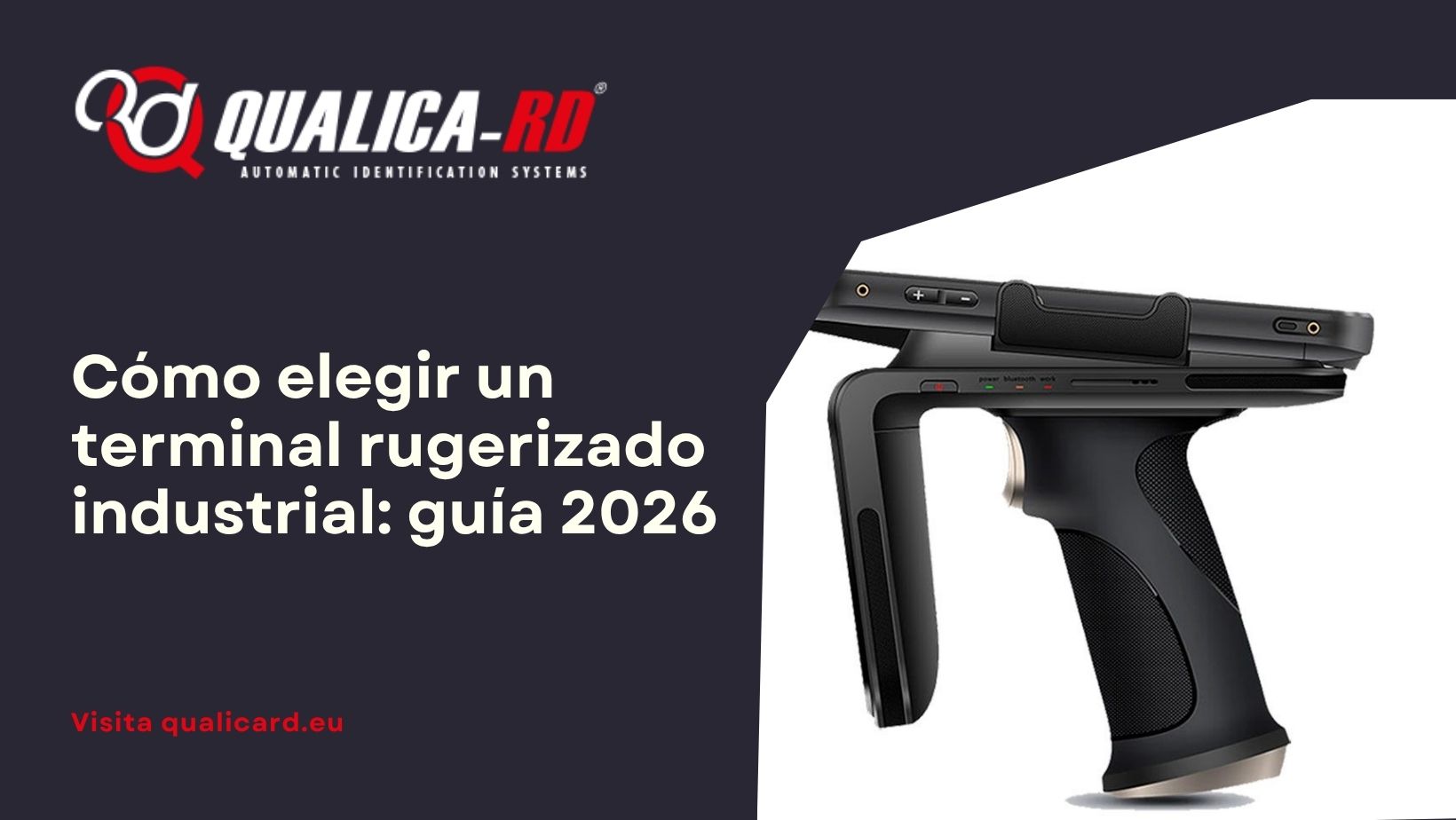
How to choose an industrial ruggedized terminal: 2026…
An industrial ruggedized terminal is not a “reinforced” mobile phone: it is…
Go to Post


What is PDA in Spain?
¿Qué es PDA en España? Guía completa sobre su funcionamiento, usos y…
Go to Post