Business Hours: Monday to Thursday: 7:00 AM – 3:00 PM (Support until 5:00 PM) | Friday: 7:00 AM – 3:00 PM (Support until 2:30 PM)
(+34) 957 326 107
Business Hours: Monday to Thursday: 7:00 AM – 3:00 PM (Support until 5:00 PM) | Friday: 7:00 AM – 3:00 PM (Support until 2:30 PM)
Copyright © 2025 Qualicard. All Rights Reserved.


Technical Support
What is RFID? A key technology in access control
May 9, 2024
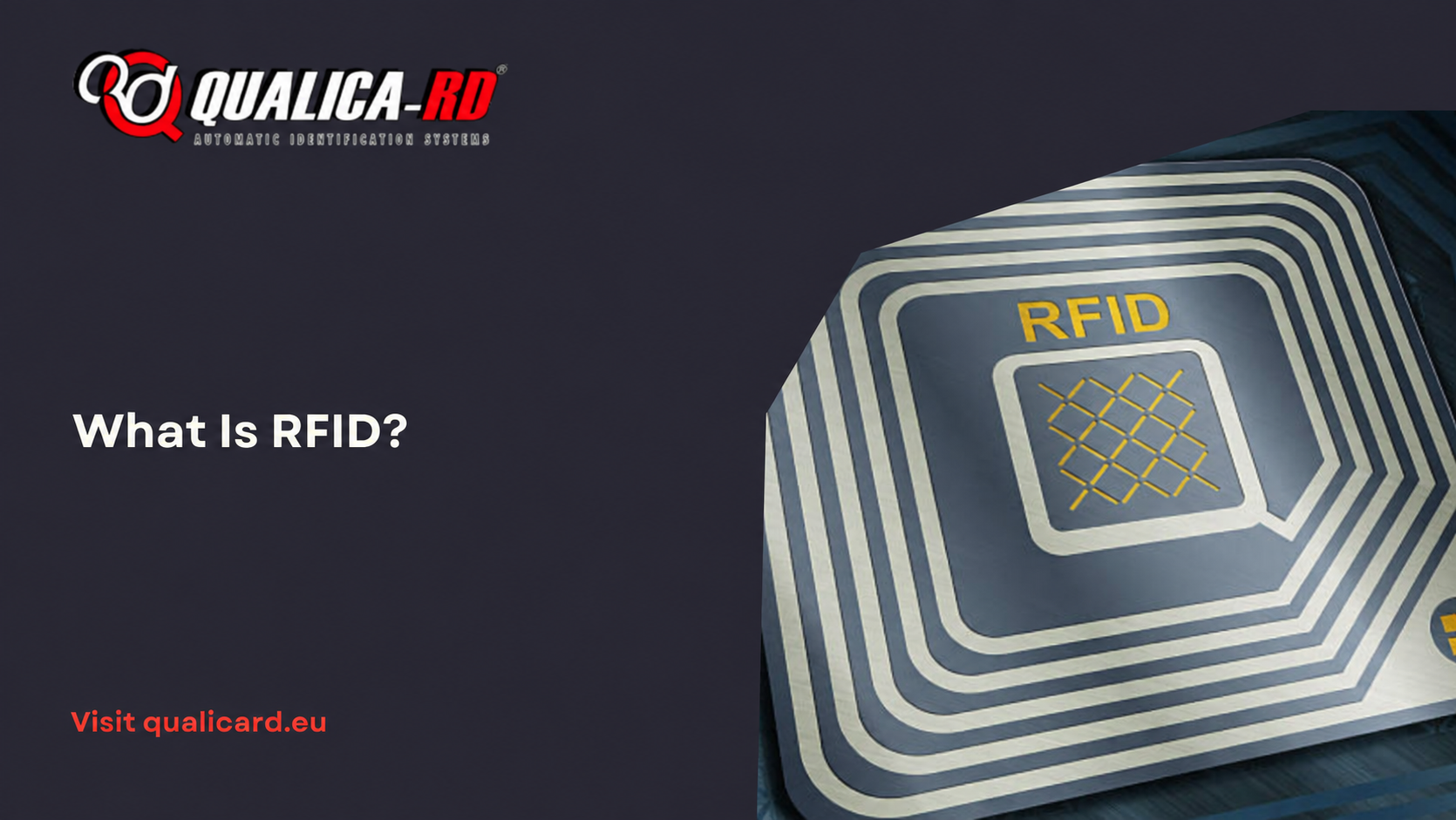
What is RFID? A key technology in access control is an innovative system that has revolutionized the way we manage security and the flow of people in different environments. RFID, or Radio Frequency Identification, enables the automatic identification of objects through tags that contain a microchip and an antenna, thus facilitating efficient and secure access control. Discover in this article everything you need to know about this revolutionary technology.
Definition of RFID
RFID, which stands for Radio Frequency Identification, is an automatic identification technology that uses radio waves to transmit data between a reader and an RFID tag. The RFID technology is based on tags that contain a chip and an antenna, allowing for the rapid identification of objects without the need for direct contact. These tags can store varied information, from identification codes to specific details about a product or person.
The use of RFID in logistics has brought about a great revolution in inventory management and the supply chain, as it allows for precise tracking of products in real time. Furthermore, RFID technology has been integrated into numerous sectors such as retail, the automotive industry, and animal identification, optimizing processes and improving overall efficiency.
One of the main advantages of RFID is its ability to uniquely identify and track objects, making it an indispensable tool in access control, security, and product traceability. However, it also presents challenges such as security and privacy, so it is important to implement appropriate measures to protect the information transmitted through this technology.
RFID Technology: What does it mean?
The RFID technology is a radio frequency identification system that allows communication between a reader and an RFID tag, without the need for direct contact. The acronym RFID stands for Radio-Frequency Identification, which translates to Identificación por Radiofrecuencia in Spanish. This system is based on the use of radio waves to transmit data and perform tracking accurately and efficiently.
RFID tags contain a microchip that stores specific information, and an antenna that enables communication with the reader. This technology is used in various applications such as access control, logistics, inventory management, and product identification. RFID technology has evolved over time, adapting to the needs of different industries and allowing for more effective and secure control of processes.
RFID technology has proven to be a fundamental tool in optimizing business operations and enhancing security in various environments. Its ability to uniquely identify and track objects in real-time makes it a versatile and highly useful solution in multiple scenarios. With the advancement of RFID technology, its use is expected to continue expanding and improving to meet the increasingly demanding needs of the current market.
How RFID Works
The RFID, or Radio Frequency Identification, operates through the interaction between a reader and an RFID tag that contains a microchip and an antenna. When the reader emits a radio frequency signal, the tag receives the signal and responds by sending the information stored in the chip. This contactless communication process allows for the rapid and accurate identification of objects in various contexts.
The operation of RFID is based on the transmission of data through radio waves, which facilitates the reading of the information contained in RFID tags at short or long distances. This technology is widely used in access control, inventory management, and product traceability, optimizing processes and improving efficiency in different sectors.
One of the key advantages of RFID is its ability to identify and track objects individually, allowing for detailed real-time monitoring. Thanks to the operation of RFID, it is possible to carry out more precise and secure logistical operations, ensuring effective control of assets and greater efficiency in the supply chain.
How RFID technology works in access control
The RFID technology plays a fundamental role in access control by providing an efficient and secure solution for the identification of people and vehicles. Through strategically placed RFID readers, access to certain areas can be authorized or denied based on the permissions assigned in the RFID tags. This process is carried out automatically and without the need for physical contact, streamlining the flow of people and enhancing security in the facilities.
The use of RFID tags in identification cards or key fobs allows users to access buildings, parking lots, or restricted areas quickly and easily. By bringing the tag close to the RFID reader, the identification system is activated and access authorization is verified. This technology has become an effective alternative to traditional access control systems based on keys or codes.
The implementation of RFID technology in access control provides a higher level of security by eliminating the possibility of duplication or replication of physical keys. Additionally, it allows for a detailed record of the movements of people within a space, which is useful for security management and incident prevention. The intuitive operation and versatility of RFID technology make it an increasingly popular option in environments that require rigorous access control.
Components of an RFID system
In an RFID system, there are several key components that work together to enable radio frequency identification. One of the main elements is RFID tags, which contain a chip and an antenna to store information and communicate with readers. These tags can be passive, semi-passive, or active, depending on their power supply and data transmission capabilities.
RFID readers are devices that emit radio frequency signals to interact with tags and collect the information contained in them. These readers can be fixed or portable, and their range varies depending on the type of tag used. Additionally, some RFID systems also include antennas that amplify the signal and facilitate communication between the readers and the tags in large environments or with obstacles.
Another fundamental component in an RFID system is the management software, which is responsible for administering and analyzing the data collected by the readers. This software allows the integration of RFID technology with other information systems, facilitating product traceability, inventory control, and real-time process automation. The combination of these components in an RFID system provides a complete and effective solution for the identification and tracking of objects in various contexts.
RFID Applications
The RFID technology has a wide variety of applications in different sectors and environments. In logistics, the use of RFID tags on products and packages allows for precise tracking of the supply chain, optimizing inventory management and the distribution of goods. In retail, RFID tags facilitate product identification, stock control, and theft prevention.
In the healthcare sector, RFID technology is used to manage the inventory of medications, medical equipment, and biological samples, improving efficiency in hospital processes. Likewise, in public transport, transport cards with RFID technology allow for quick and secure access to trains, buses, and subways, streamlining passenger flow and reducing waiting times at stations.
Another prominent application of RFID is found in the automotive industry, where it is used for tracking vehicles during the manufacturing process, quality control, and management of parts and components. In the field of security, RFID technology is employed in the control of access to buildings, events, and restricted areas, ensuring quick and reliable identification of authorized personnel.
Current Uses of RFID Technology
The RFID technology is increasingly present today, with a wide range of uses spanning different sectors and activities. In the logistics field, RFID is used for tracking and inventory control in warehouses and distribution centers, allowing for efficient management of products and quick location of goods.
In the healthcare sector, RFID technology is applied in the management of medical assets, patient identification, and the prevention of errors in medication administration. Thanks to RFID tags, it is possible to maintain a detailed record of medical equipment and ensure the traceability of medical treatments.
Moreover, in the field of public transport and urban mobility, smart cards with RFID technology allow users to access transport services quickly and securely, streamlining travel and enhancing the user experience. The versatility and precision of RFID make it an indispensable tool in everyday life, facilitating numerous processes and contributing to efficiency in various areas of society.
Advantages and Challenges of RFID
The RFID technology offers a number of significant advantages across various sectors, such as logistics, retail, and security. Among the main advantages are the speed in object identification, the ability to perform precise real-time tracking, and the automation of logistical processes. Additionally, RFID provides greater security in access control and inventory management, reducing the risk of fraud and theft.
Despite its benefits, RFID technology also presents some challenges to consider. One of the most common challenges is the concern for privacy, as the information stored on RFID tags can be vulnerable to interception by third parties. Another important challenge is the initial investment required to implement RFID systems, as well as the need for trained personnel for their maintenance and management.
Despite the challenges, the advantages of RFID far outweigh the potential difficulties, as this technology has established itself as an effective tool for improving operational efficiency, security, and productivity across various sectors. The constant evolution and adaptation of RFID to market demands have driven its use in an increasing number of applications, solidifying it as an innovative and versatile solution today.
Benefits and obstacles of RFID technology in access control
RFID technology provides a number of significant *benefits* in the field of access control, such as agility in identifying authorized users, automation of entry and exit processes in facilities, and reduction of the risk of loss or theft of access credentials. Furthermore, the use of RFID tags in identification cards allows for more efficient and secure management of infrastructures, ensuring an orderly and controlled flow of people.
However, the implementation of RFID technology in access control also presents certain *obstacles* to consider. Among the most common challenges are the need for an initial investment for the acquisition of RFID readers and tags, as well as the potential vulnerability of the systems to cyber attacks. Additionally, the integration of RFID systems with the existing infrastructure can pose technical difficulties that require careful planning.
Despite potential obstacles, the benefits of RFID technology in access control are evident, as it provides a modern and effective solution for securely and efficiently managing the entry and exit of people in corporate, industrial, or public spaces. The combination of benefits with proper management of obstacles can lead to a successful implementation of RFID-based access control systems.
Share
Related News
-
-

-
 Types of RFID cards 17 Mar
NFC vs RFID: 5 key differences in access…
“Is it NFC or RFID?” We are asked this every week. The…
Go to Post
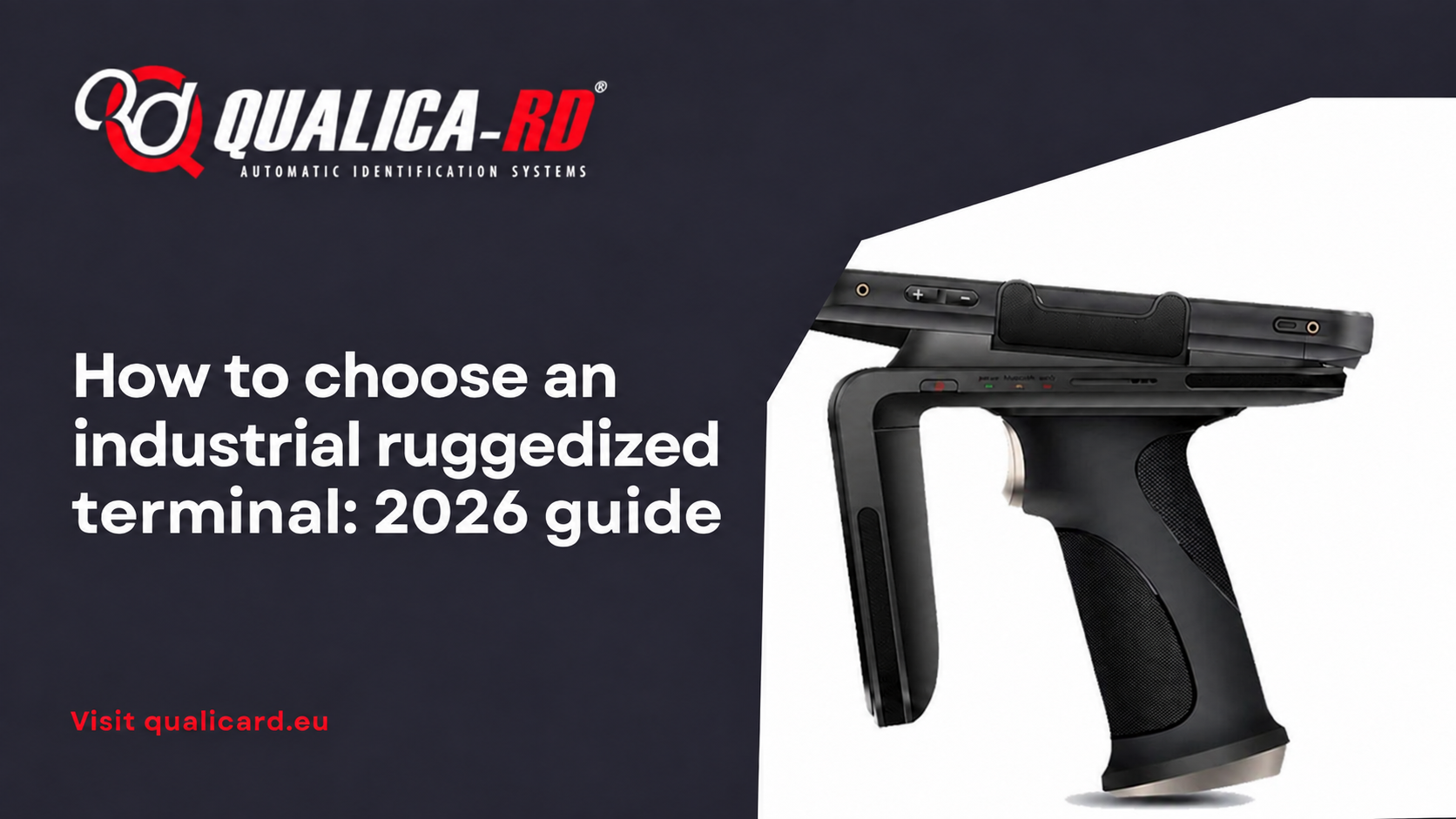
How to choose an industrial ruggedized terminal: 2026…
An industrial ruggedized terminal is not a “reinforced” mobile phone: it is…
Go to Post
Types of RFID cards
Types of RFID cards: a complete guide to understanding their uses and…
Go to Post