
Business Hours: Monday to Thursday: 7:00 AM – 3:00 PM (Support until 5:00 PM) | Friday: 7:00 AM – 3:00 PM (Support until 2:30 PM)
(+34) 957 326 107
Business Hours: Monday to Thursday: 7:00 AM – 3:00 PM (Support until 5:00 PM) | Friday: 7:00 AM – 3:00 PM (Support until 2:30 PM)
Copyright © 2025 Qualicard. All Rights Reserved.


Technical Support
NFC: the short-range wireless communication technology
September 8, 2024
NFC: the technology of short-range wireless communication
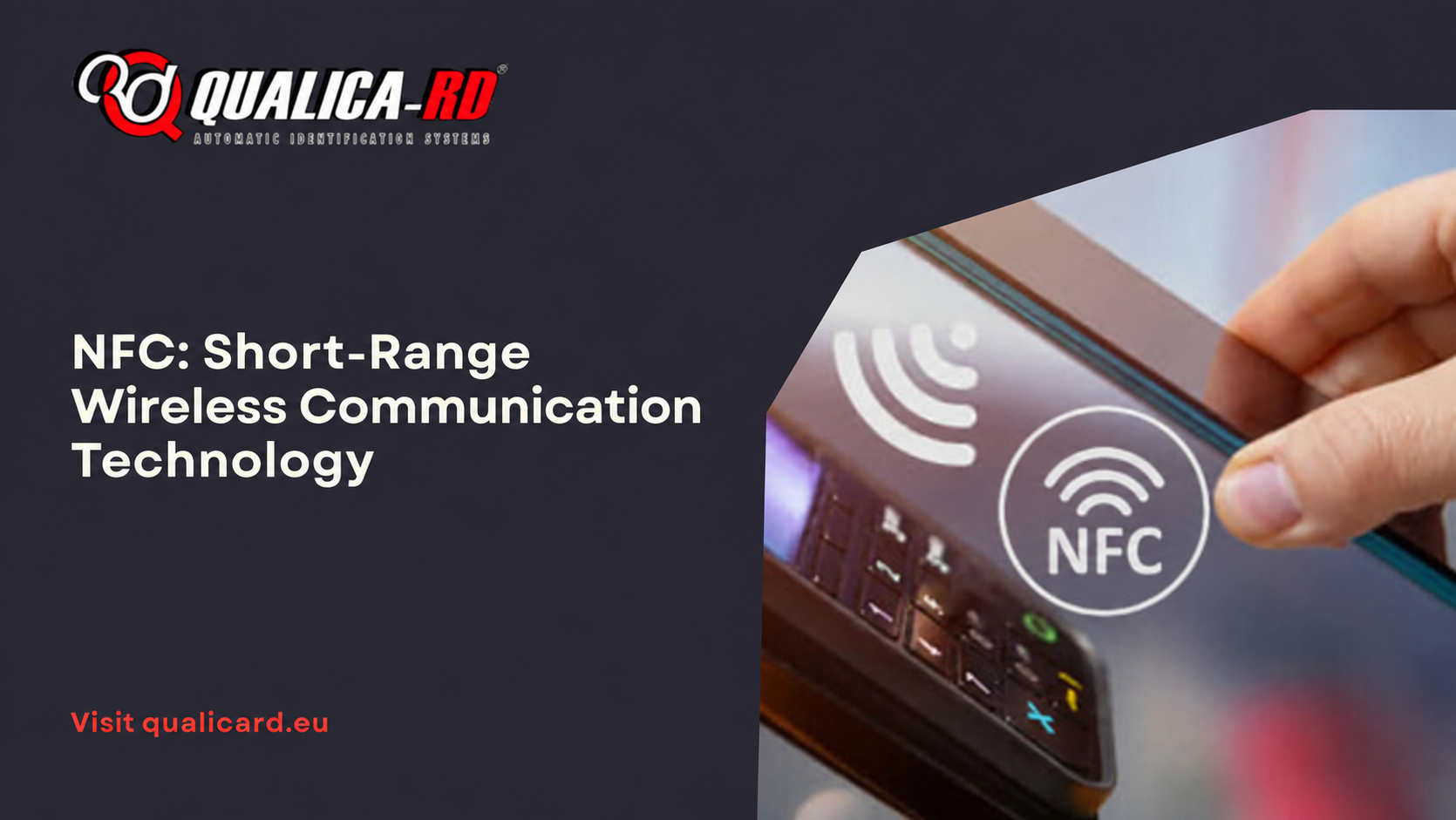
The NFC technology (Near Field Communication) is a form of short-range wireless communication that allows data transfer between compatible devices located a few centimeters apart. This technology has revolutionized the way we interact with our electronic devices, facilitating processes such as contactless payments and the exchange of information quickly and securely.
By using NFC, devices can connect instantly simply by bringing them close to each other, making it a versatile tool for a variety of applications. From accessing buildings with smart cards to making payments through mobile devices, NFC has found its place in people’s daily lives and in business environments.
One of the most notable features of NFC is its ease of use and its wide compatibility with a variety of modern devices. This technology has been key in the development of more efficient and secure access control systems, as well as in the popularization of contactless mobile payments, providing users with a more convenient and agile experience.
In short, NFC technology continues to evolve and expand its horizons in different fields, from security in financial transactions to the automation of processes in industrial environments. Its ability to simplify tasks and improve connectivity between devices makes it a fundamental piece in the current technological landscape.
Definition and origin of NFC
NFC (Near Field Communication) is a wireless communication technology that allows for the rapid and secure transfer of data between nearby devices. It emerged as an evolution of previous technologies such as RFID and has become a fundamental tool in the connectivity of smart devices today.
The origin of NFC dates back to the early 2000s, when a group of technology companies came together to develop a standard form of short-range wireless communication. The first smartphone with NFC capability was launched in 2006, marking the beginning of its integration into mobile devices and other electronic equipment.
NFC technology has constantly evolved since its inception, expanding its uses and applications across various sectors. As more devices adopt this technology, NFC is expected to continue transforming the way we interact with technology in our daily lives.
Key components of NFC technology
The key components of NFC technology include an NFC tag or a chip that emits the signal, a receiving device that captures the signal, and software that enables communication between both devices. These elements work together to facilitate the transfer of data efficiently and securely.
The NFC chip contains the necessary information to establish communication with other compatible devices. This chip can be integrated into cards, smartphones, tags, or even wearables, allowing for a wide range of applications and uses. The storage capacity and data transmission speed are important characteristics of these chips.
On the other hand, the receiving device, such as a smartphone or a POS terminal, is capable of receiving the signal emitted by the NFC chip and processing the information contained within it. This device acts as the receiver of the communication and can trigger various actions, such as payment processing or access to specific information.
In summary, the key components of NFC technology work in sync to provide a fast, convenient, and secure wireless communication experience between compatible devices. Its combination of hardware and software has allowed the expansion of this technology in numerous fields and has facilitated effective interaction between devices.
How NFC Works
To understand how NFC works, it is important to consider that this technology is based on near-field communication, which means that devices must be very close to each other to establish a connection. The process begins when a device with NFC enabled emits a signal that can be picked up by another compatible device located a few centimeters away.
Once communication is established between devices, data transfer can occur quickly and easily. This communication can trigger different actions, such as information exchange, contactless payments, access to buildings, or simply file transfer between devices.
The NFC technology has been optimized to be efficient and secure, making it ideal for applications where convenience and speed are essential. The compatibility between devices with NFC has contributed to its popularity and has opened the door to a wide range of uses in different sectors, from access to events to the implementation of access control systems in companies.
The NFC communication process
In the NFC communication process, the interaction between compatible devices takes place efficiently and securely. When two devices with NFC technology come close, a wireless connection is established that allows for data transfer. This communication occurs through short-range radio waves, ensuring that the information is transmitted only between the devices involved in the interaction.
One of the key aspects of NFC communication is its speed and simplicity. This technology allows devices to communicate almost instantaneously, making it ideal for applications that require quick interactions, such as contactless mobile payments. Furthermore, NFC communication is bidirectional, meaning that both devices can send and receive information during the interaction.
NFC communication is based on a “tap and go” connection principle that simplifies interaction between devices. When brought close together, communication is automatically initiated, making it easy to use in a wide variety of scenarios, from configuring Bluetooth devices to exchanging files between smartphones. This ease of connection has contributed to the popularity and adoption of NFC technology in modern devices.
Compatibility and NFC Devices
Compatibility and NFC devices have been fundamental for the widespread adoption of this technology. Currently, most modern smartphones come equipped with NFC technology, allowing users to take advantage of its features without the need for additional hardware. In addition to smartphones, other devices such as tablets, smartwatches, and access control systems can also integrate NFC technology to facilitate wireless interaction.
The versatility of NFC devices has allowed their use in a variety of applications, from payment for purchases in stores to access to events and pairing of Bluetooth devices. The wide compatibility among different devices makes NFC technology accessible to a broad audience, promoting its adoption in both personal and business environments.
Moreover, NFC technology continues to evolve to offer greater integration in everyday devices. From the inclusion of NFC in public transport cards to its implementation in home automation systems and wearables, compatibility with NFC-enabled devices continues to expand, providing users with more opportunities to take advantage of this short-range wireless communication.
Main uses and applications of NFC
The main uses and applications of NFC cover various fields and sectors, highlighting its usefulness in facilitating contactless mobile payments. Thanks to NFC technology, users can make purchases quickly and securely simply by bringing their devices close to a compatible payment terminal, thus streamlining the transaction process in stores and establishments.
Another widespread use of NFC is found in access to events and public transport. Many companies and organizations have implemented access control systems based on NFC, allowing users to use their mobile devices or smart cards to validate their entry to concerts, conferences, or transport stations, streamlining the registration process and minimizing the use of paper and plastics.
Moreover, NFC technology has been integrated into smart home devices and wearables, allowing for remote control of various devices in the home or office. From turning on lights to opening doors, NFC provides a convenient and secure way to interact with the environment through near field communication.
NFC in access control systems
The implementation of NFC in access control systems has revolutionized the way companies manage security and access to their facilities. By using cards or mobile devices with NFC technology, it is possible to simplify and expedite the identification and entry authorization process for employees and visitors.
Access control systems based on NFC offer greater security compared to traditional methods such as physical keys or passwords. Biometric authentication and near-field communication ensure that only authorized individuals can access restricted areas, significantly reducing the risk of unwanted intrusions.
Moreover, the integration of NFC in access control systems allows for detailed tracking of the entry and exit of individuals in a facility, facilitating schedule management, identifying access patterns, and generating activity reports. This technology provides companies with greater control over the security of their premises and the protection of their assets.
The rise of contactless payments with NFC
Currently, the rise of contactless payments with NFC has transformed the way we conduct daily transactions. NFC technology enables users to make payments quickly and securely by bringing their mobile devices or cards close to compatible payment terminals, eliminating the need to enter PIN codes or sign receipts.
The popularity of NFC mobile payments has been driven by the convenience and security they offer. By using near field communication, transaction data is transmitted in an encrypted manner between devices, reducing the risk of fraud and ensuring the confidentiality of users’ financial information.
Moreover, contactless payments with NFC have simplified the shopping experience for both merchants and consumers. The speed at which transactions can be completed has led to an increase in the adoption of this technology in establishments of all kinds, promoting a more efficient and modern payment environment.
Advantages of mobile payments via NFC
The advantages of mobile payments via NFC are diverse and beneficial for both users and businesses. One of the main advantages is the speed at which transactions can be made, streamlining the purchasing process and reducing wait times in payment lines.
Moreover, the security that NFC technology offers in mobile payments is a plus for users, as data encryption and biometric authentication provide an additional layer of protection against potential fraud. In this way, users can enjoy a safer and more reliable shopping experience.
Another important advantage of mobile payments with NFC is the convenience they provide. Since it is not necessary to carry cash or physical cards, users can make payments easily and simply by just bringing their mobile devices close to the payment terminals, eliminating the need to carry multiple payment methods.
NFC and security: Protecting your information
The combination of NFC and security is essential to protect users’ personal and financial information in today’s digital environment. Through data encryption and user authentication, NFC technology ensures that transactions and communication between devices are secure and private, avoiding potential vulnerabilities and cyberattacks.
The implementation of security measures in devices with NFC technology, such as biometric validation or the use of access codes, helps to strengthen the protection of the information stored in these devices. This additional layer of security provides users with the confidence that their data will be safe when making payments or exchanging information through NFC technology.
Moreover, NFC technology has been designed to ensure the integrity of transactions and the confidentiality of transmitted data. By using secure communication protocols and certified authenticity, mobile payments with NFC offer a protected and risk-free shopping experience, allowing users to enjoy the benefits of the technology without compromising their security.
NFC and Data Encryption
The combination of NFC and data encryption is essential to ensure the security and privacy of the information transmitted through this technology. Data encryption on NFC devices ensures that any confidential information, such as payment data or personal identification, remains protected during wireless communication.
Through advanced encryption algorithms, NFC technology encodes data before transmitting it, preventing unauthorized third parties from accessing intercepted information. This additional layer of protection gives users the confidence that their sensitive data will be safeguarded against potential cybersecurity threats.
Data encryption in NFC helps to enhance the security of transactions and communication between devices, preventing identity theft and the theft of personal information. This security measure is essential to ensure the integrity of operations carried out with NFC technology and to maintain the confidentiality of user data.
Measures to improve security in NFC technology
To improve security in NFC technology, it is important to implement several measures that strengthen data protection and user privacy. One of the key measures is two-factor authentication, which combines the validation of the user’s identity with a second level of verification, such as an access code or a fingerprint, to ensure that only authorized individuals can access the information.
Another effective measure to enhance security in NFC is the continuous updating of the software and firmware of compatible devices. Keeping systems and applications up to date with the latest security versions helps mitigate potential vulnerabilities and ensures a more protected environment against external threats.
Moreover, educating and raising awareness among users about safe practices when using NFC technology is essential. Promoting good practices, such as not sharing confidential information over unsecured connections or verifying the authenticity of devices and terminals before conducting transactions, helps reduce the risk of exposure to potential cyber attacks.
Share
Related News
-
-

-
 Types of RFID cards 17 Mar
NFC vs RFID: 5 key differences in access…
“Is it NFC or RFID?” We are asked this every week. The…
Go to Post
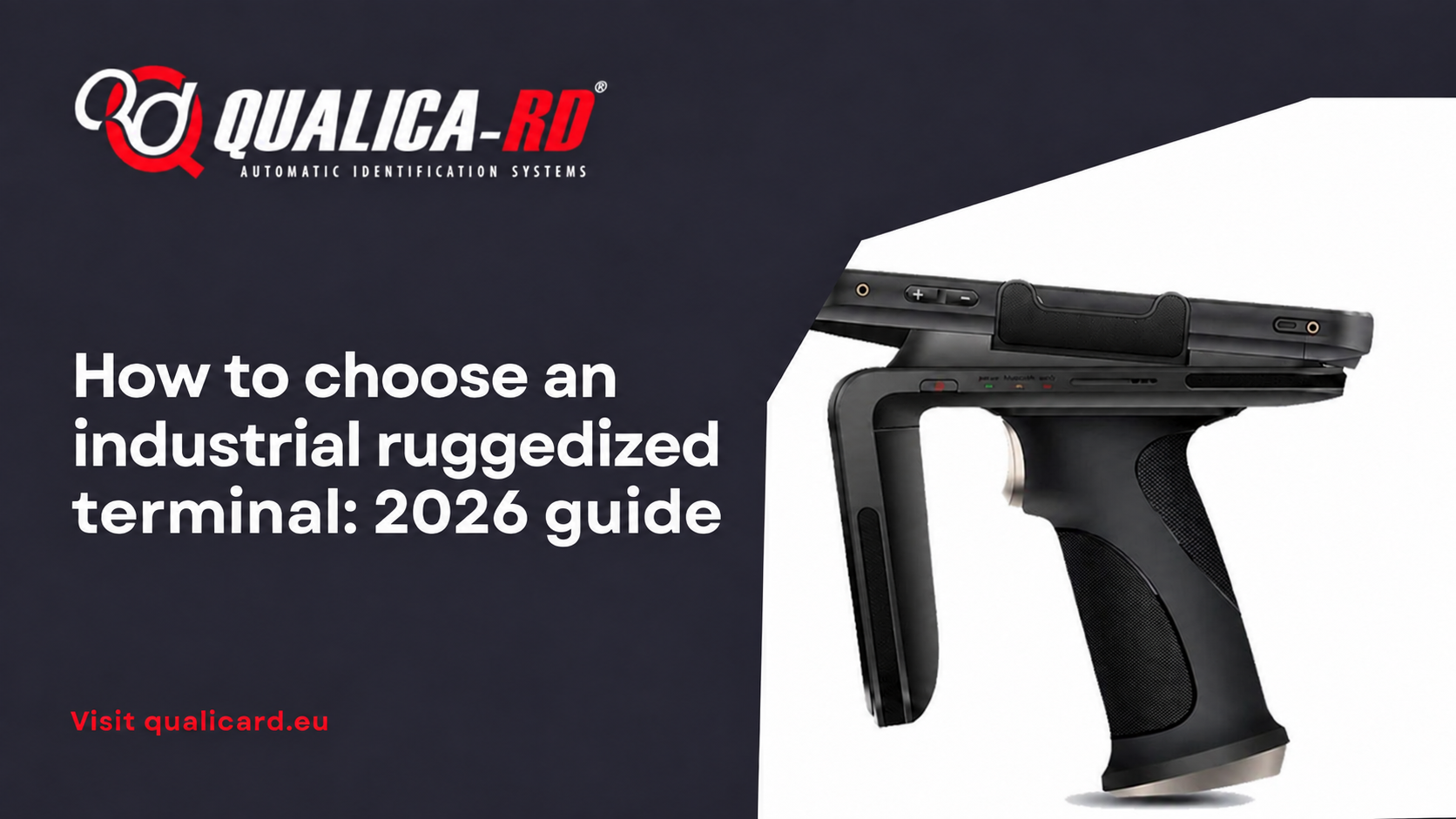
How to choose an industrial ruggedized terminal: 2026…
An industrial ruggedized terminal is not a “reinforced” mobile phone: it is…
Go to Post
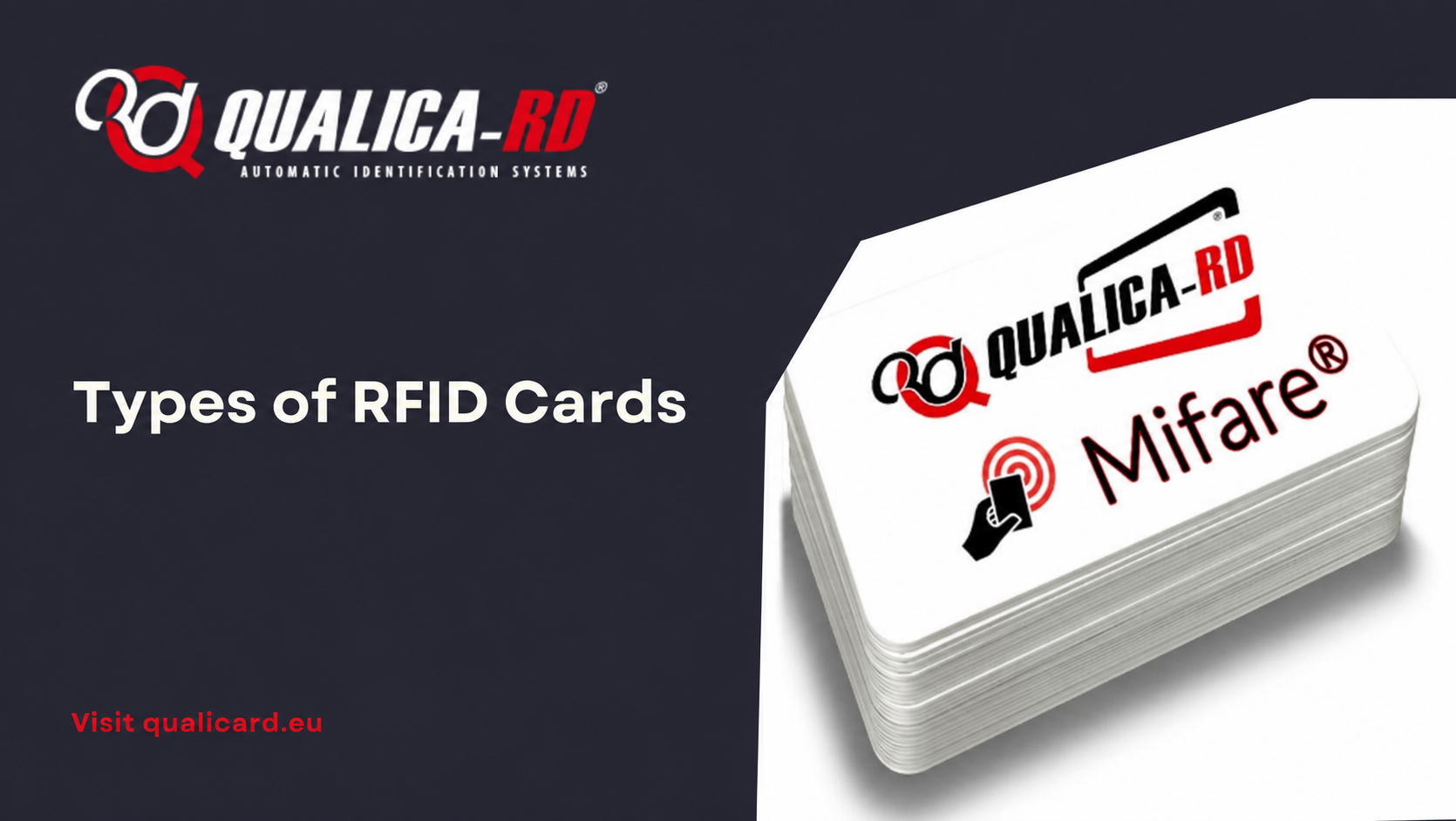
Types of RFID cards
Types of RFID cards: a complete guide to understanding their uses and…
Go to Post