
Business Hours: Monday to Thursday: 7:00 AM – 3:00 PM (Support until 5:00 PM) | Friday: 7:00 AM – 3:00 PM (Support until 2:30 PM)
(+34) 957 326 107
Business Hours: Monday to Thursday: 7:00 AM – 3:00 PM (Support until 5:00 PM) | Friday: 7:00 AM – 3:00 PM (Support until 2:30 PM)
Copyright © 2025 Qualicard. All Rights Reserved.


Technical Support
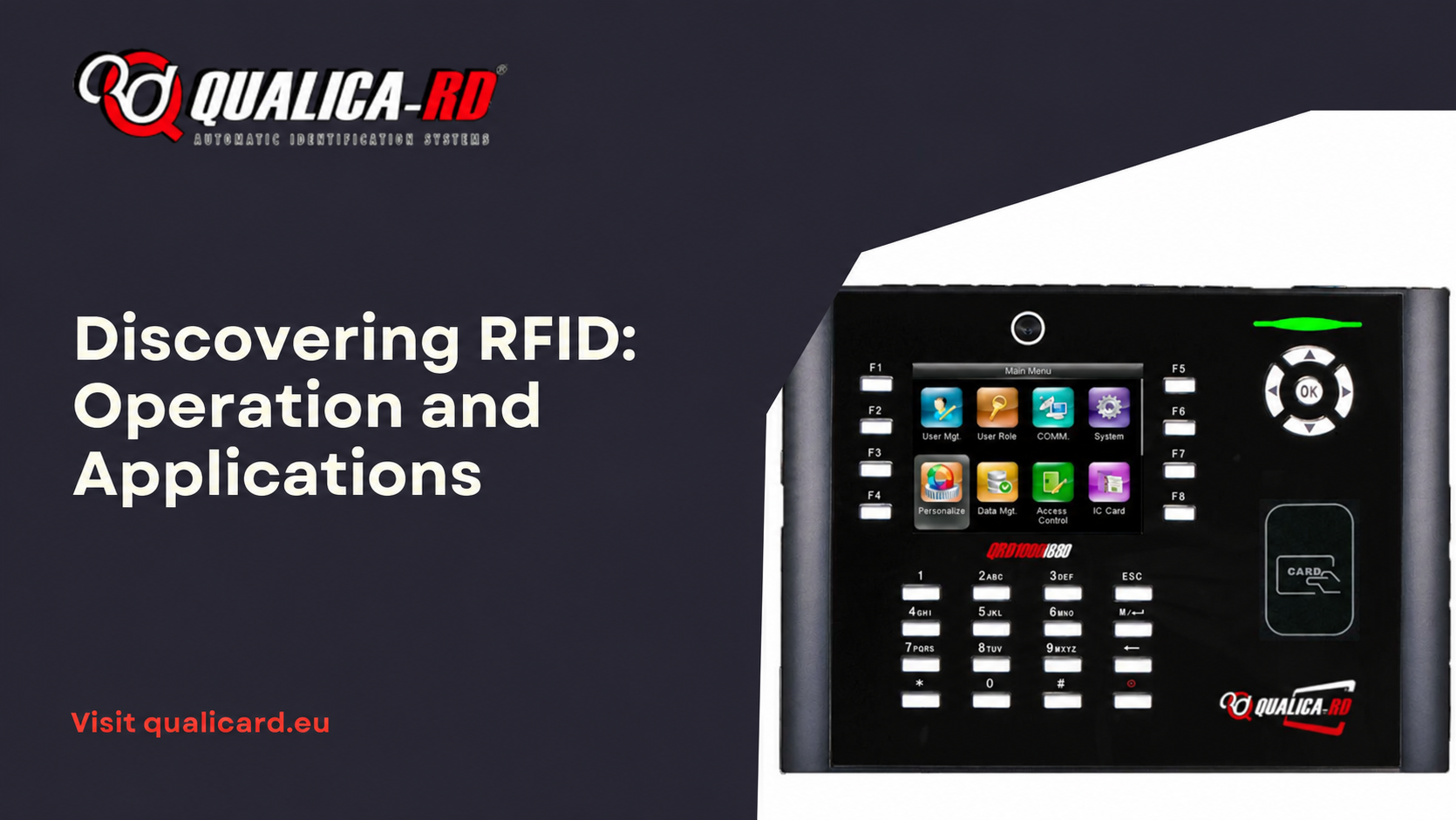
Discovering RFID: Operation and Applications
April 8, 2024
Discovering RFID: Operation and Applications is about exploring a revolutionary technology that has transformed the way we interact with the world around us. From improving efficiency in access control systems to redefining inventory management, RFID has become an indispensable tool in multiple sectors. This article will unveil the secrets behind its operation, explore its most impactful applications, and address the advantages it offers over alternative technologies. Dive into the RFID universe and discover how this technology can positively influence our day-to-day lives.
Introduction to RFID
In the technological era we live in, it is essential to understand the tools that are shaping our world. One of these technologies, which has found its way into countless applications in our daily lives, is RFID (Radio Frequency Identification). This system has not only revolutionized the way we track and manage objects but has also simplified tasks that we once considered tedious.
RFID works through contactless communication between a reader and an electronic tag, usually attached to an object for identification and tracking. This technology, compared to its predecessors, offers significant advantages, such as the ability to read multiple tags simultaneously and without the need for line of sight. Its application ranges from access control and inventory management to more sophisticated uses in the fields of health, logistics, and security.
Understanding how RFID works and where it is used allows us to better appreciate the innovative solutions it offers to everyday problems, while also opening the door to discovering new applications that can further enhance our quality of life and operational efficiency.
How Does RFID Work?
The RFID (Radio Frequency Identification) technology has revolutionized the way we track and manage objects, people, and even animals. Through the use of small devices called RFID tags, which can be attached to or embedded in almost any item, this technology enables the wireless transmission of unique identification data to specific readers. Its operation is based on the communication between the tag, which contains encoded digital information, and the reader or interrogator, which sends this information to a computer system for processing.
This interaction is performed without the need for direct contact or line of sight between the tag and the reader, which differentiates RFID from other identification systems such as barcodes. Additionally, RFID tags can be read from several meters away and in adverse environmental conditions, significantly expanding their range of practical applications. From inventory management and access control to logistics tracking and pet identification, RFID has become an essential tool in numerous sectors.
Key Components of the RFID System
At the heart of RFID technology (Radio Frequency Identification) lie several essential components that work together to create versatile and efficient identification systems. By understanding the structure and functioning of these components, organizations can fully exploit the advantages of RFID in various applications, from access control to traceability in the supply chain.
First of all, we have the RFID tag, which consists of a chip and an antenna. The chip stores the information that uniquely identifies the object to which the tag is attached, while the antenna enables communication with the RFID readers. This communication is essential, as it is through it that data can be read and, in some cases, written to the tag without the need for direct contact or line of sight.
Another critical component is the RFID reader, the device responsible for sending and receiving radio signals to and from the tags. Readers can be fixed or mobile and have the capability to process information from multiple tags simultaneously, significantly increasing the efficiency of data collection.
Finally, the system would not be complete without a data management system, responsible for interpreting and organizing the information collected by the readers. This system enables the use of the information from the tags for a wide range of purposes, from simple identification to complex tracking and inventory management applications.
RFID Operating Process
The operation of RFID (Radio Frequency Identification) is based on an interactive process between two key components: the RFID tag, also known as a transponder, and the RFID reader. This interaction begins when the reader sends a specific radio frequency signal to the tag. Upon receiving this signal, the tag is activated and transmits its stored information back to the reader.
This process does not require direct contact or line of sight between the tag and the reader, allowing for great flexibility and multiple applications, from inventory tracking to asset management and access control. The capability of the RFID system to store information on the tag enables unique identification of objects, people, or animals, and its wireless nature facilitates the automation and efficiency of processes in various industrial and commercial sectors.
A distinctive feature of RFID is its operating range, which can vary from a few centimeters to several meters, depending on the antenna configuration, the reader’s power, and the operating frequency used. This enables different levels of application, from security systems to large-scale logistics.
RFID Applications in Industry
The world of wireless technology has evolved significantly, and one of the most notable advancements is RFID (Radio Frequency Identification), an essential technology in modern industry. This automatic identification method allows for data transmission via RFID tags, which are read by specific devices. Its ability to store and retrieve data remotely has transformed numerous industrial sectors, enabling more efficient inventory management, real-time tracking, and advanced process automation.
The applications of RFID in the industry are as varied as they are impressive. From logistics and transportation, where it facilitates product traceability, to the health sector, improving the management of medical equipment and patient safety. It not only enhances operational efficiency but also helps reduce errors, optimize the supply chain, and improve the overall customer experience. In the manufacturing field, RFID is essential for inventory management and quality control, providing a precise and efficient method for tracking products throughout the production chain.
RFID technology, with its versatility and efficiency, is becoming a crucial component for innovation and optimization in the industry. Its implementation not only streamlines operations but also opens up a range of possibilities for new business models and market strategies that can elevate companies to a new level of competitiveness and responsiveness to the challenges of the current market.
Access Control
The access control is a critical facet in the security and management of any entity, whether in the corporate, educational, or governmental sphere. This fundamental need to secure access to facilities, data, and resources has led to the adoption of advanced technologies such as RFID (Radio Frequency Identification). RFID has revolutionized the way organizations control and monitor access, providing an efficient and secure solution that far surpasses traditional key or code-based systems.
The implementation of access control through RFID not only provides greater security through the non-transferable authentication of identities, but also offers a detailed record of entries and exits, which is essential for security analysis and resource management. Furthermore, its flexibility and ease of integration with other security systems and building management make RFID a cornerstone in the security strategy of any modern organization.
In summary, access control backed by RFID technology is presented as a fundamental tool in preventing unauthorized access and optimizing internal processes, being an invaluable investment for the protection of assets and personnel. The constant evolution of this technology promises even greater innovations in the field of security and access management in the future.
Inventory Management
The inventory management has radically transformed with the adoption of RFID (Radio Frequency Identification) technology. This system allows for fast and accurate identification of products without the need for direct visual contact, facilitating thorough control over stock in real time. Companies that implement RFID in their operations achieve a significant reduction in errors and a improvement in efficiency of their inventory processes.
The use of RFID in inventory management not only streamlines the counting and locating of products but also provides valuable information about stock rotation, expiration dates, and consumption trends. This allows companies to make more informed decisions regarding their purchasing and stock management strategies. Furthermore, thanks to the data storage capacity of RFID tags, complete traceability of products is facilitated, from their manufacturing to their final delivery to the consumer.
Advantages of RFID in Inventory Management
The Radio Frequency Identification technology, better known as RFID, has revolutionized inventory management across multiple industrial sectors. By implementing this technology, companies around the world are optimizing their processes for tracking and controlling assets, reducing errors typically associated with manual management. The accuracy and efficiency that RFID brings to inventory management are undoubtedly some of its greatest advantages.
Thanks to RFID, it is possible to track products in real time, from the moment they enter the warehouse until they leave for their final destination. This ability to monitor inventory in real time not only improves stock accuracy but also facilitates demand planning and management. Furthermore, RFID technology significantly reduces the time spent on inventory audits, allowing companies to conduct more frequent checks without interrupting daily operations.
Another of the significant advantages of using RFID in inventory management is its ability to minimize human errors. The automation of product tracking through RFID tags virtually eliminates the possibility of error in data entry, a common problem in manual systems. This not only ensures greater accuracy in inventory records but also contributes to better decision-making based on reliable and up-to-date data.
The Future of RFID
On the technological horizon, RFID stands out as one of the most promising innovations, paving the way for unprecedented efficiency across a multitude of industries. This technology, known by its English acronym Radio Frequency Identification (RFID), has not only revolutionized the way we track and manage assets but also positions itself as the core of future innovations in automation and control.
Leading companies are already exploring and applying RFID to go beyond its conventional applications, such as inventory management and logistics tracking, venturing into areas such as enhanced customer interaction, optimization of the shopping experience, and advanced security solutions. Furthermore, the integration of RFID with emerging technologies like the Internet of Things (IoT), artificial intelligence (AI), and big data analytics (Big Data), promises a future where connectivity and ambient intelligence reach unprecedented levels of sophistication.
The constant evolution of RFID suggests that we are only at the beginning of discovering its full potential. Future improvements in the efficiency of RFID systems, cost reduction, and the evolution towards smaller, more durable, and energy-efficient tags will open even more doors to new applications and enhancements in almost every sector of the industry. This future, driven by RFID, will lead us towards smarter environments, where the interaction and management of resources and processes will be more intuitive, efficient, and secure.
The journey of RFID is just beginning, and its impact in the next decade promises to be transformative. The key will be how innovations in RFID will combine with other technologies to create solutions that we can barely imagine today. This represents not only a challenge but also an exciting opportunity for companies and professionals who prepare to be part of this technological revolution.
Innovative Trends
On the technological horizon, innovative trends are continuously redefining the landscape of almost every industry. The ability to adapt and capitalize on these trends can mean the difference between leading the market or falling behind. From artificial intelligence to augmented reality, through quantum computing, we are on the brink of revolutionary changes that promise to transform the way we live, work, and communicate.
One of the most promising areas of innovation is the development of sustainable and eco-efficient technologies that not only drive economic growth but also safeguard our environment. The adoption of renewable energies, the circular economy, and smart agriculture are clear examples of how technology can lead in solving some of the world’s most pressing challenges.
Likewise, customization and user experience are becoming central elements of business strategies. In this context, big data analytics and machine learning are enabling unprecedented levels of personalization, allowing companies to offer products and services that adapt to the individual needs and desires of each user.
Finally, the advancement of blockchain technology is opening doors to more secure and transparent transaction systems, promising not only to revolutionize the financial sector but also multiple aspects of supply chain management, digital identity, and intellectual property protection, among others. We are witnessing the birth of an era where technological innovation is the main driver of social and economic change.
Challenges and Security Considerations
In today’s digital age, where security and privacy have become paramount considerations, Radio Frequency Identification (RFID) technology also faces its share of challenges and security considerations. The ability to transmit information wirelessly, while facilitating operations such as access control and inventory management, also raises legitimate concerns about vulnerability to unauthorized access and the protection of personal data.
One of the biggest challenges is data interception, where an unauthorized third party can capture the information transmitted from the RFID tags to the readers. This makes encryption and security protocols more important than ever to ensure that only authorized parties can access and read the transmitted data. Furthermore, the growing concern for individuals’ privacy implies the need to establish clear boundaries on what information is collected and how it is used or shared.
Finally, the widespread implementation of RFID technology in critical sectors also points to the need to develop robust security standards and adopt best practices to prevent vulnerabilities. These precautions will not only help strengthen trust in this technology but will also ensure its long-term sustainability in an increasingly connected world.
Share
Related News
-
-

-
 Types of RFID cards 17 Mar
NFC vs RFID: 5 key differences in access…
“Is it NFC or RFID?” We are asked this every week. The…
Go to Post
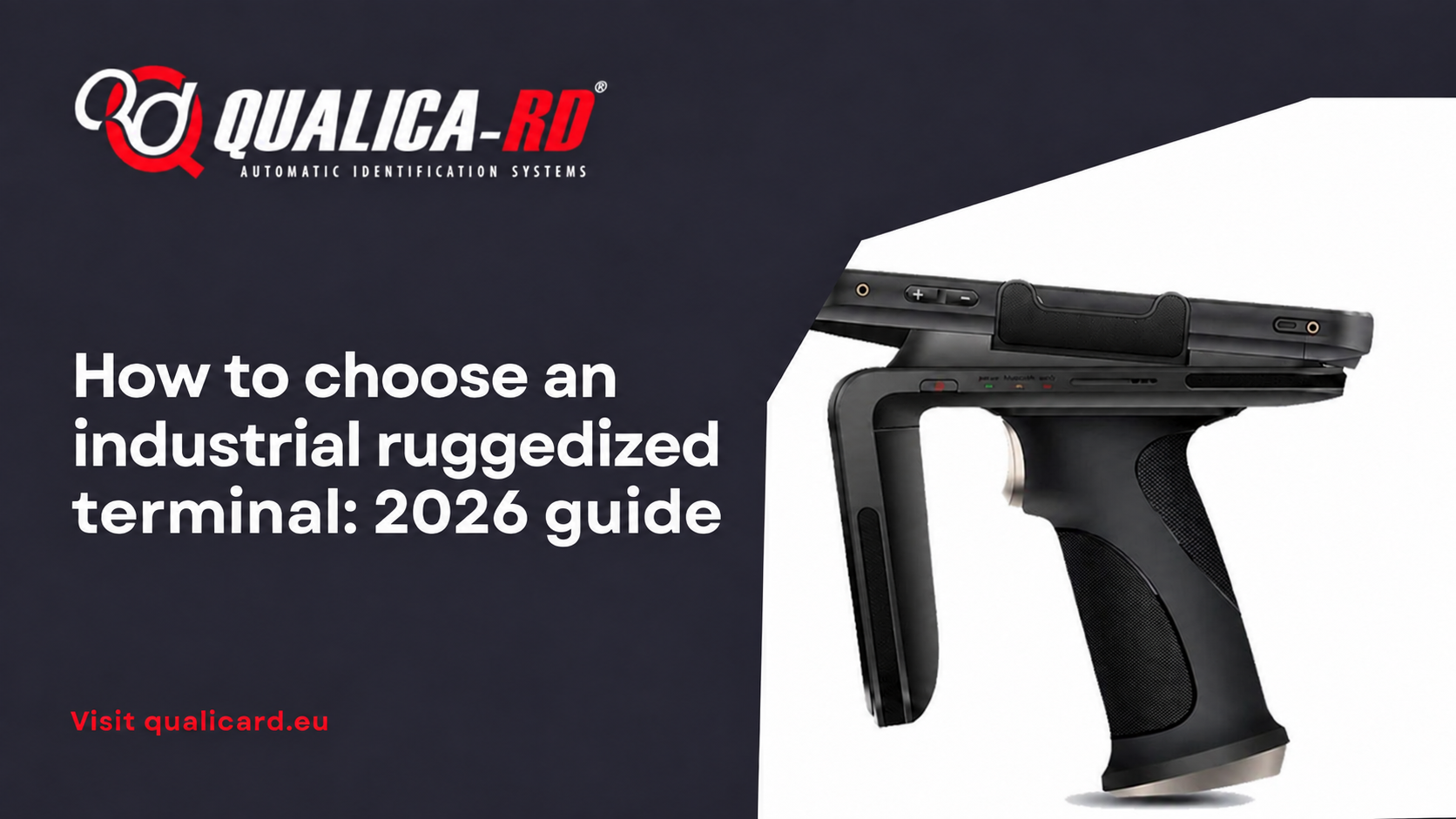
How to choose an industrial ruggedized terminal: 2026…
An industrial ruggedized terminal is not a “reinforced” mobile phone: it is…
Go to Post
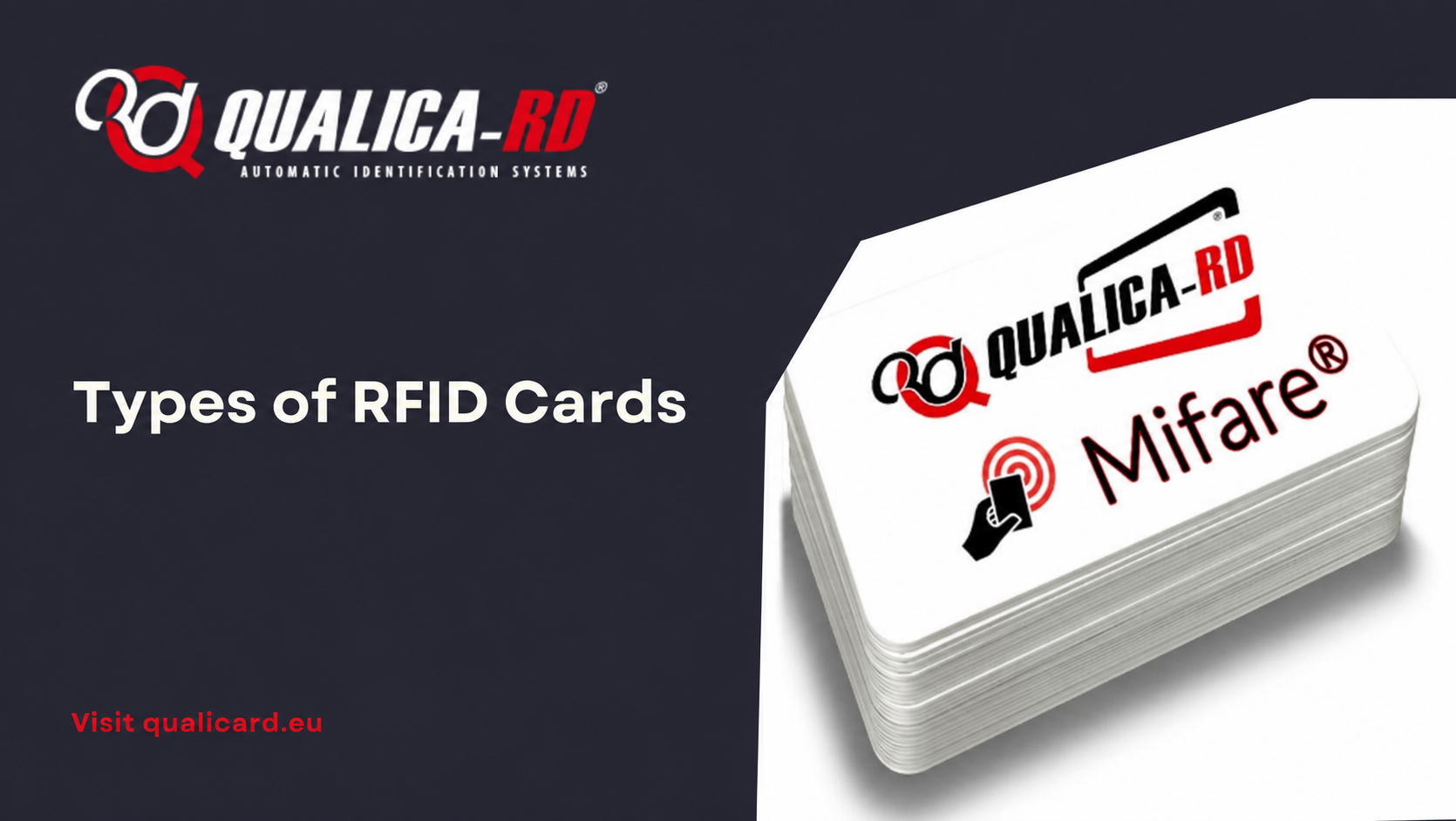
Types of RFID cards
Types of RFID cards: a complete guide to understanding their uses and…
Go to Post