
Business Hours: Monday to Thursday: 7:00 AM – 3:00 PM (Support until 5:00 PM) | Friday: 7:00 AM – 3:00 PM (Support until 2:30 PM)
(+34) 957 326 107
Business Hours: Monday to Thursday: 7:00 AM – 3:00 PM (Support until 5:00 PM) | Friday: 7:00 AM – 3:00 PM (Support until 2:30 PM)
Copyright © 2025 Qualicard. All Rights Reserved.


Technical Support
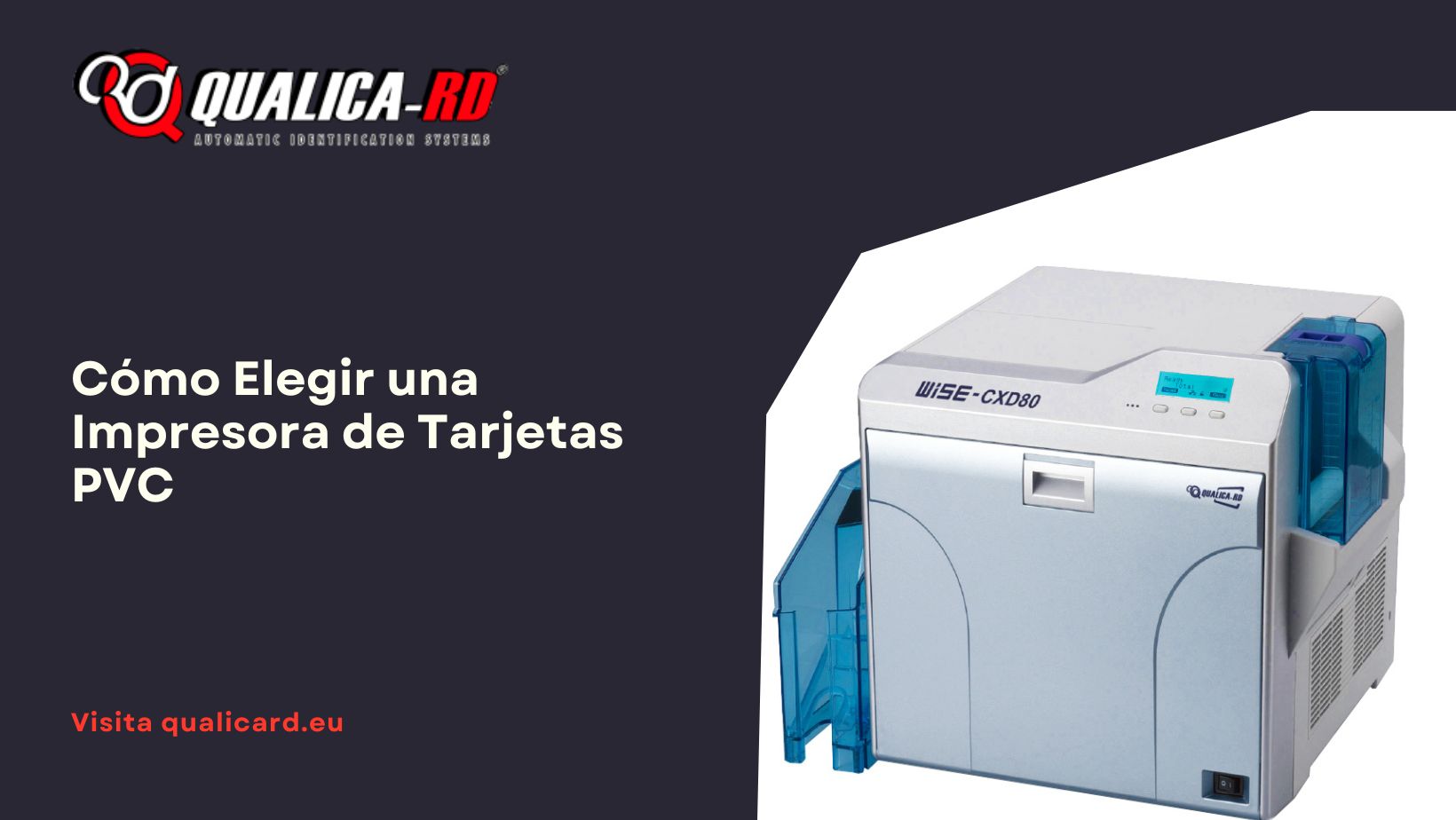
How to Choose a PVC Card Printer
December 3, 2024
Ultimate Guide: How to Choose a PVC Card Printer
In today’s world, PVC card printing has become an essential tool for companies and organizations looking to improve their access control system and provide a personalized experience for their users. Choosing the right printer can be a challenge, as there are numerous options available in the market. In this guide, we will provide you with valuable information and practical tips to help you make the best possible decision when selecting a PVC card printer, ensuring that your printing needs are fully met.
Why Choose a PVC Card Printer?
The versatility of PVC card printers makes them an attractive option for various sectors, from businesses to educational institutions. By offering the ability to customize cards with logos, names, and other details, they become an effective tool for strengthening brand identity. PVC printing not only provides a professional presentation but also ensures the durability and resistance of the cards, unlike other materials that may wear out easily.
The printing of PVC cards is ideal for creating access identifications, membership cards, or even innovative business cards. Thanks to their double-sided printing capabilities, more information and visual elements can be included, allowing for a more efficient use of the available space. With these printers, organizations can manage their own printing needs, saving time and long-term costs by not relying on external services.
A key factor to consider is the print quality that can be achieved with these machines. PVC card printers feature advanced technologies that ensure exceptional print resolution and vibrant colors. This is especially important in applications where visual presentation plays a fundamental role, such as in events or promotions that aim to capture the public’s attention.
The integration of additional features, such as card encoding and hologram printing, further enhances the appeal of these printers. These functions not only provide additional security but also allow companies to adapt to the diverse needs of the market. The ability to customize and the upgrade options make PVC card printers a valuable investment for any organization looking to stand out and maintain a high level of professionalism.
Key Factors to Consider
When choosing a PVC card printer, it is essential to evaluate the type of printing that the machine offers. There are two fundamental methods: direct printing and thermal transfer. The former allows for direct printing on the card, resulting in a faster and more efficient process. In contrast, thermal transfer produces high-quality images that can be durable and wear-resistant, which can be beneficial depending on the end use of the cards.
Another important consideration is the resolution and print quality. A printer that offers high print resolution will allow for sharp images and readable text. This is particularly significant in the context of identifications or access cards, where legibility is crucial. Printers that offer higher resolution usually have a slightly higher cost, but they represent an investment that can positively impact the organization’s image.
Additional features also play a key role in choosing the right printer. Some machines allow double-sided printing, which can facilitate the inclusion of more information on the cards. Others offer encoding options, allowing the integration of technology such as barcodes or RFID, which is invaluable for access management. Evaluating these characteristics helps determine which model best fits the specific needs of each organization.
Finally, the total cost of ownership should not be overlooked, which includes not only the initial price of the printer but also the expenses associated with maintenance, ink consumption, and spare parts. Choosing a model that ensures low operating costs in the long term can lead to significant savings. It is advisable to research and compare different options in the market to ensure that the final choice is the most suitable in terms of quality and budget.
Printing Type: Direct vs. Transfer
The printing process you choose will directly influence the final quality of your cards. Direct printing is done by injecting ink onto the surface of the card, allowing for a vibrant and high-quality finish. This method is ideal for quick and customized productions, as it allows for real-time results. Due to its efficiency, it is particularly suitable for small runs and for events where cards are needed immediately.
On the other hand, heat transfer offers a more sophisticated technique that involves transferring ink from a ribbon to the card. This method usually results in superior image quality, especially in terms of durability and scratch resistance. Colors tend to be more vibrant and prints hold up well over time, making them perfect for identifications that will be used for a long time. This option may be more expensive initially, but its durability can offset the cost in the long run.
For some applications, the decision between these two methods will depend on the type of card you wish to produce. Printers that use direct printing technology are more practical for occasional printing needs, while transfer may be more suitable for organizations that require a high degree of customization and durability. Evaluating the specific characteristics of each technique is essential to find the one that best fits your specific requirements.
The cost factor should also be considered. While direct printers tend to be more affordable in terms of initial investment, thermal transfer printers can offer a higher return due to the durability of the final products. In general, it is advisable to analyze the intended use of the cards and determine which of the two printing methods provides a better balance between quality, cost, and production time.
Resolution and Print Quality
The print resolution is measured in pixels per inch (ppi) and is a crucial factor in determining the final quality of the cards. A higher resolution allows for sharper details and more vibrant colors, resulting in a professional finish. For applications where image and design are fundamental, such as corporate identities or business cards, investing in a printer with high resolution can make the difference between mediocre and exceptional printing.
Printers that offer resolution values of 300 dpi or higher are recommended for most PVC card printing needs. This level of quality not only provides legible text but also allows for the printing of complex graphics and photographs with clarity. Choosing a printer with advanced capabilities can be especially valuable for companies looking to enhance their brand image through attractive and well-executed designs.
The importance of print quality should not be underestimated, as it directly influences the perception of the organization. Clients and partners can make judgments about professionalism based on the quality of the cards they receive. Therefore, ensuring that the chosen printer can handle the desired print quality is an essential criterion for any purchasing decision.
Consistency also plays a relevant role; it is vital that the prints maintain a quality standard across all productions. Requesting print samples or checking reviews about the consistent quality of a model can be helpful to ensure that the chosen printer meets long-term expectations. Considering these aspects will allow for a more informed decision that is suitable for the PVC card printing needs.
Additional Features and Customization
Modern PVC card printers offer a variety of additional features that can significantly enhance the printing experience. One of the most sought-after features is the ability to print double-sided, which allows for including information on both sides of the card. This is especially useful for maximizing space usage and adding details such as QR codes, instructions, or graphic designs, adding more value to the final product.
Card encoding has become essential in many sectors. Printers that allow the integration of technologies such as RFID or barcodes facilitate access management and data tracking. This functionality becomes crucial for companies that need to implement secure access control systems or that seek to improve efficiency in their operations through process automation. The choice of a printer with encoding capabilities can make a significant difference in the functionality of the produced cards.
Customization is another vital aspect to consider. Printers that allow a wide range of customization options, from the choice of colors and graphics to the inclusion of individual data, prove to be very versatile. This is especially beneficial for organizations that require customized cards for events, loyalty programs, or unique identifications. Being able to tailor each card to the specific needs of a client or event can enhance the end-user experience.
Other complementary features, such as the ability to add visual security elements like holograms or watermarks, can enhance authenticity and protection against counterfeiting. These types of features not only add aesthetic value but also contribute to the security of the cards, which is fundamental in environments where information protection is crucial. Exploring all these functionalities can help organizations choose the printer that best fits their specific requirements and expectations for quality and utility.
Double-Sided Printing
The ability to print on both sides offers a great advantage for those looking to maximize the use of space on the cards. This functionality allows for additional information, such as names, contact details, or instructions, to be included on a second side. For organizations looking to create identifications or membership cards, this feature can become essential by providing more data without overwhelming the visual design on one side.
Another significant advantage of this technology is the ability to enhance presentation. Cards that utilize both sides for printing tend to look more professional and complete, which can help create a better impression among users. Using the reverse side to add graphic elements or thank-you messages not only adds aesthetic value but also allows for a customization that stands out against simpler options.
From an operational standpoint, printers that offer this function are usually equipped with technology that ensures consistent alignment and print quality on both sides. This is crucial for maintaining readability and visual quality across the entire card. Companies that rely on large-scale card printing can significantly benefit from this functionality, ensuring that each delivery meets a high standard of quality.
Implementing double-sided printing can also have a positive impact on sustainability. By reducing the number of cards needed, organizations can optimize their production and minimize material waste. This is an important consideration in an environment where many seek to be more responsible with the environment. In summary, choosing a printer that offers double-sided printing can result in both aesthetic and practical advantages, aligned with the current market needs.
Card Encoding
The card encoding has become an essential element in many sectors, especially in the field of security and access control. Incorporating technologies such as barcodes, RFID, or magnetism allows organizations to manage access and identification of individuals more efficiently. This functionality transforms PVC cards into multifunctional tools that not only represent a form of identification but also facilitate the tracking and management of vital data.
Some printers come equipped with built-in encoding capabilities, which saves time and reduces the need for additional tools. The encoding process is generally straightforward and can be customized according to the specific needs of each organization. From access cards to payment systems, the flexibility provided by encoding allows adaptation to different applications and usage scenarios.
Implementing encoding also brings significant benefits in terms of security. Cards that feature encoding options can hardly be replicated without the appropriate devices and software, providing an additional layer of protection. This is crucial for companies that handle sensitive information or require strict access control in restricted facilities, thus protecting both employees and infrastructure.
Another aspect to consider is the customization that can be achieved through encoding. Organizations can create loyalty programs, membership cards, or specific access to events, all tailored to their brand image and business needs. This ability to adjust the functionalities of the cards to market demands strengthens the relationship with customers and enhances the overall experience. Maximizing card encoding has become a differentiating element in the modern and secure management of identities.
Cost and Maintenance
The initial cost of a PVC card printer can vary significantly depending on the specific features and functionalities it offers. When evaluating the available options, it is crucial to keep in mind that the acquisition price is not the only factor that will impact your long-term investment. Factors such as print performance, quality, and speed are essential aspects that can influence the total cost of ownership over time.
In addition to the acquisition cost, recurring expenses such as consumables (inks, transfer ribbons, and blank cards) must be considered when calculating the budget. Printers that require specific high-quality products can mimic the operating cost, which remains low when using economical consumables. It is essential to research the manufacturers’ recommendations, as well as analyze the experiences of other users to anticipate expenses that may arise in the future.
Regular maintenance is another aspect that cannot be overlooked. Card printers, like any equipment, require proper care and cleaning to extend their lifespan and ensure optimal performance. The manufacturer’s instructions on preventive maintenance, as well as best practices recommended by experts, can be valuable in avoiding costly issues. Investing in maintenance can mean the difference between having a printer that works properly and one that requires expensive repairs or replacements.
Understanding all these factors will allow organizations to balance their printing needs with their allocated budget. Ultimately, good financial planning and an assessment of the costs involved in acquiring and maintaining a PVC card printer will facilitate more informed decision-making, helping to maximize the return on investment in printing technology.
Conclusion
Choosing the right PVC card printer is a critical decision that will impact various areas of an organization. Considering factors such as type of printing, quality, and additional functionalities ensures that each card produced meets the necessary quality standards and fits the specific needs of the business. The ability to adapt to different requirements, from encoding to double-sided printing, adds significant value to the investment made.
Cost analysis, both for acquisition and operation, provides a comprehensive perspective on long-term spending. It is essential not only to consider the available budget but also to anticipate operating and maintenance expenses, which will help avoid surprises in the future. Taking these variables into account is key for efficient management that maximizes the return on investment in printing technology.
On the other hand, customization and encoding options are powerful tools that provide an additional level of functionality and security. This translates into greater customer satisfaction, as the experience improves when tailored solutions are offered to meet their needs. This ability to customize can be crucial for standing out in a competitive market and for developing closer relationships with end users.
Taking all these aspects into account will allow organizations to make informed decisions when selecting the right printer, thus increasing operational efficiency and the quality of their products. Investing in a PVC card printer is not just a matter of cost, but a strategy that can elevate the image and functionality of any company in the modern era.
Share
Related News


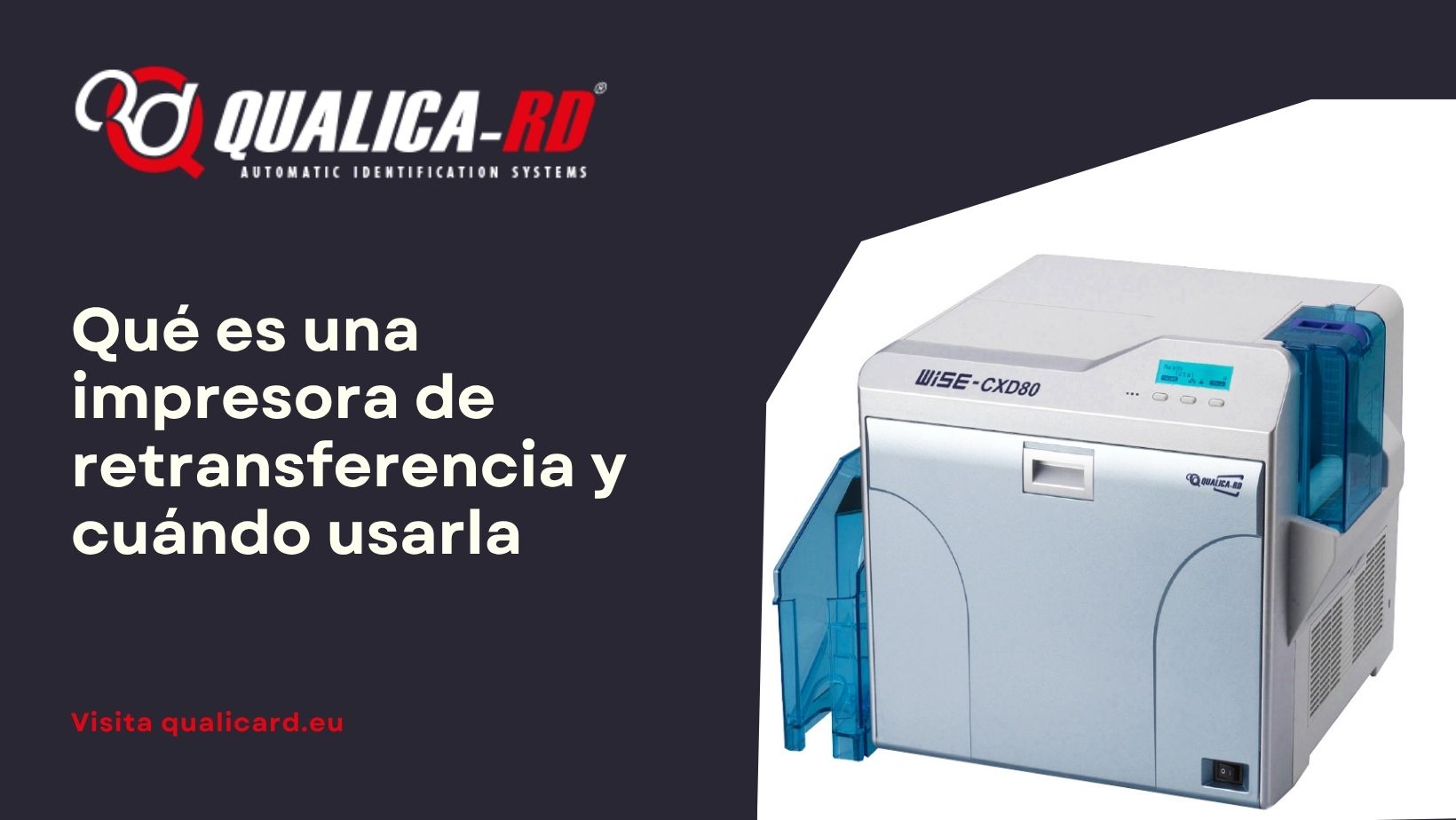
What is a retransfer printer and when to…
En el mundo de las impresoras de tarjetas PVC diseñadas para personalizar credenciales,…
Go to Post

Guide to printing credentials for events
Guía completa para imprimir acreditaciones para eventos En esta guía para imprimir…
Go to Post
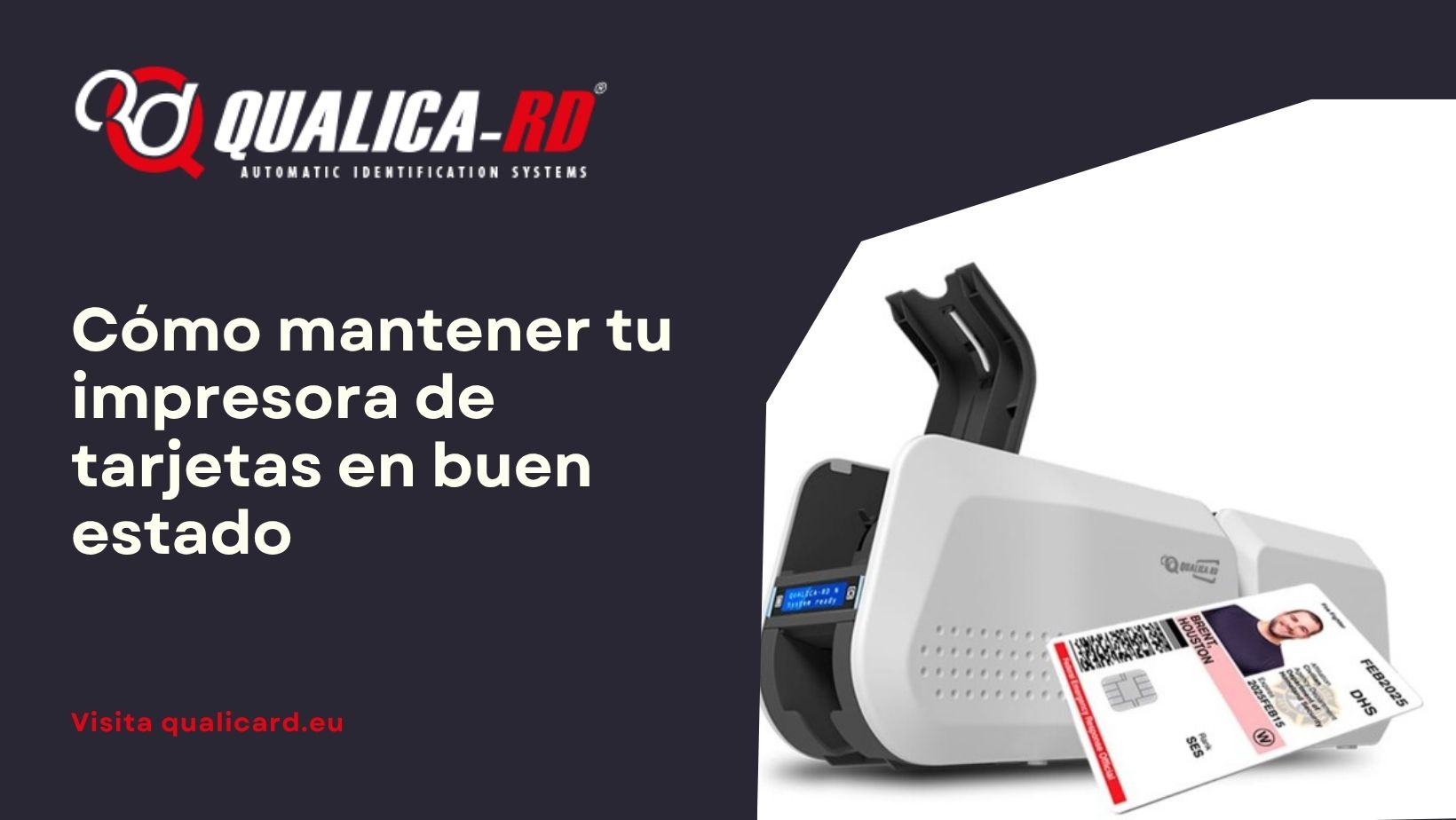
How to keep your card printer in good…
Cómo mantener tu impresora de tarjetas en buen estado El buen funcionamiento…
Go to Post