
Business Hours: Monday to Thursday: 7:00 AM – 3:00 PM (Support until 5:00 PM) | Friday: 7:00 AM – 3:00 PM (Support until 2:30 PM)
(+34) 957 326 107
Business Hours: Monday to Thursday: 7:00 AM – 3:00 PM (Support until 5:00 PM) | Friday: 7:00 AM – 3:00 PM (Support until 2:30 PM)
Copyright © 2025 Qualicard. All Rights Reserved.


Technical Support
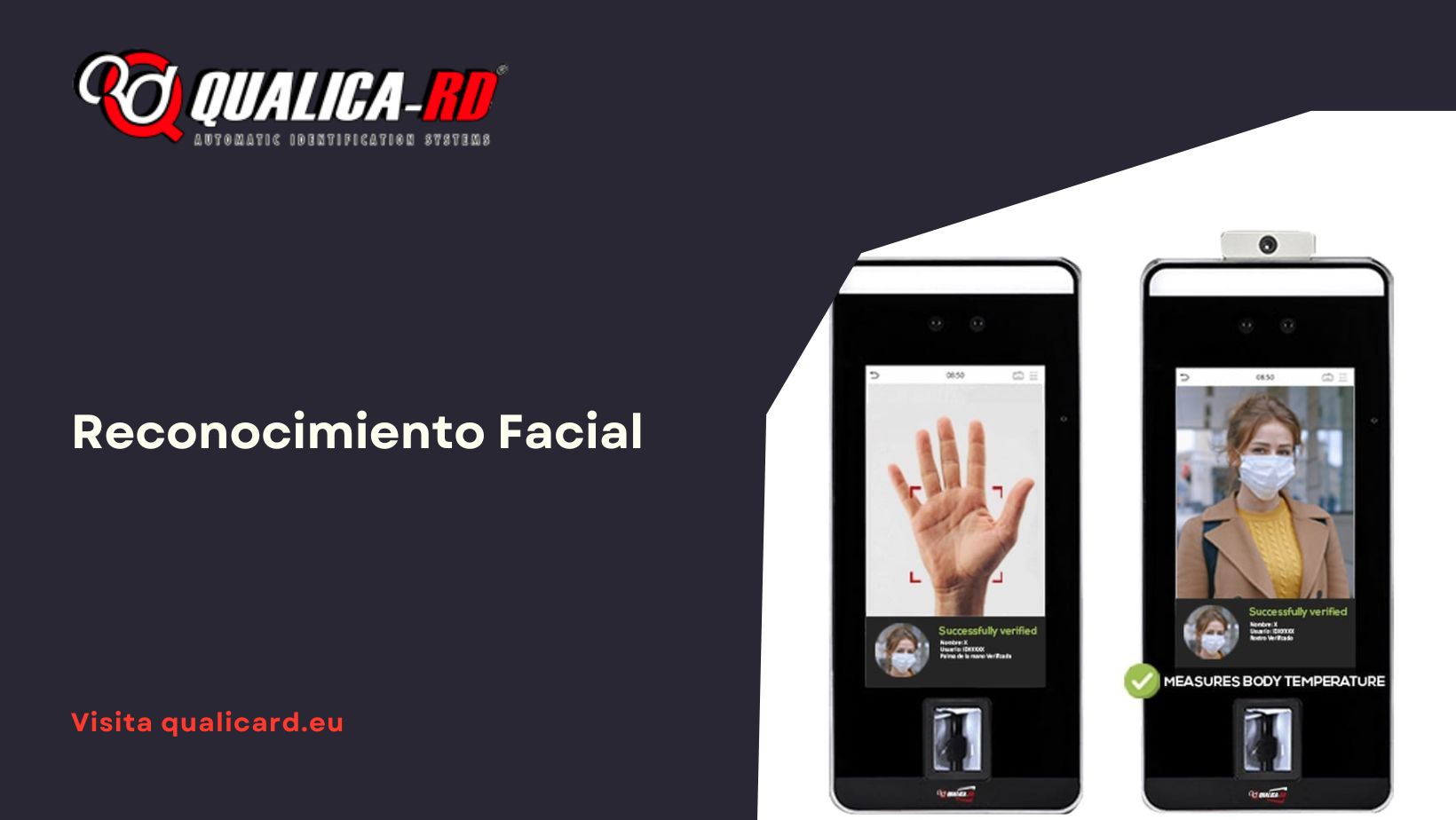
Facial Recognition: Technology, Advantages, and Challenges
October 19, 2024
Facial Recognition: Technology, Advantages, and Challenges
In an increasingly technological world, facial recognition has become a key tool in the field of security. This innovative technology not only facilitates access to systems and services but also offers significant benefits in the protection of people and property. However, alongside its advantages, important ethical issues and concerns about privacy arise. In this article, we will thoroughly explore this technology, its applications, as well as its advantages and disadvantages, to better understand its impact on our society.
What is Facial Recognition?
This technology is an advanced identification technique that uses complex algorithms to analyze and compare patterns in an individual’s facial features. This process involves capturing an image of the face, which is then transformed into a set of data that can be stored and compared with other images in a database. The accuracy of this technology depends on various factors, including the quality of the image and the lighting conditions at the time of capture.
As this technology has evolved, its implementation has spread to various areas, including public safety, commerce, and access management. In high-security environments, such as airports and train stations, facial recognition is used to identify potential criminals or wanted persons. In the commercial sector, some companies employ this technology to personalize customer experiences, analyzing demographic data and preferences based on their faces.
However, the use of this technology poses significant challenges. The privacy of individuals may be threatened if this technology is used without proper consent. There are global concerns about the potential for abuse, where governments or corporations could use facial information to inappropriately monitor citizens. The need to establish a balance between the utility of this technology and the rights of individuals is more relevant than ever.
Advantages of Facial Recognition
One of the main advantages of facial recognition lies in its ability to enhance security in public and private environments. This technology allows for quick and accurate identification of individuals, facilitating the detection of suspicious activities. In airports and train stations, for example, an automated system can be chosen to identify potential criminals, creating a safer environment for all passengers.
The implementation of this type of technology not only reduces waiting time at security checks but also tends to offer a smoother experience for users. In the commercial sector, some businesses use this type of technology to personalize service, recognizing frequent customers and adapting their offerings to their preferences. This interaction not only increases customer satisfaction but also fosters loyalty to the brand.
Another positive aspect of this technology is its ability to integrate with other security systems, creating a more robust detection and response network. Organizations can combine facial recognition with surveillance cameras and data analysis software, allowing for more effective real-time monitoring. This technological synergy can help companies and entities act quickly in unforeseen situations, contributing to a more efficient response to potential incidents.
Improvement in Security
Implementing facial recognition in security environments has transformed the way risks are managed. This technology allows for the rapid identification of individuals in critical situations, facilitating intervention in emergencies. With systems that can perform real-time recognition, organizations are able to react more swiftly to threats, minimizing the potential for serious incidents.
The ability to continuously and automatically track individuals in public spaces such as airports or shopping centers contributes to a general perception of security. Authorities can monitor people for suspicious behaviors, maximizing the protection of both citizens and facilities. This is especially relevant at mass events, where manual surveillance may prove insufficient to maintain control.
On the other hand, the accuracy of this technology also plays a crucial role in reducing human errors. Automated systems, based on advanced algorithms, are less prone to making mistakes compared to human judgment, which can be influenced by subjective factors. This objectivity, combined with the ability to integrate with other security systems, makes facial recognition-based solutions an invaluable tool for strengthening overall security.
Ease of Use and Access
The adoption of facial recognition technology has revolutionized the way people access different spaces and services. This innovative solution allows for quick and contactless identification, eliminating the need to remember passwords or carry identification cards. Simply presenting one’s face to a camera may be sufficient to access systems, significantly increasing convenience for users.
In corporate environments, the implementation of this type of access not only enhances the employee experience but also optimizes the management of access flows to the facilities. With facial recognition systems, waiting times at security checks are significantly reduced, which in turn increases productivity and allows workers to focus on their tasks. Automated access to restricted areas can simultaneously reinforce security, facilitating more effective space management.
In the retail sector, this technology is used to personalize the customer experience. Through facial recognition, companies can identify their regular customers and offer them a more personalized service, which increases satisfaction and loyalty. This application not only improves interaction with the customer but also provides valuable data on behaviors and preferences, which can help optimize marketing and sales strategies.
Disadvantages of Facial Recognition
One of the main issues associated with this technology is the concern for the privacy of individuals. As systems become more common, the worry about the misuse of biometric data also grows. Many people feel uncomfortable with the possibility of being monitored in public spaces without their consent, raising questions about the ethics of its implementation and respect for personal privacy.
The accuracy of these systems is not without controversy. Facial recognition algorithms, although they have improved over time, can exhibit significant error rates, especially in certain demographics. Studies have shown that the technologies available today may be less accurate in identifying individuals of different ethnicities or genders, which could lead to biased and unfair outcomes. This issue raises concerns about discrimination and equity, as it disproportionately affects certain groups in security situations.
In addition to the above, the reliance on technology can lead to situations where the security of a system is compromised by cyberattacks. If a system is breached, users’ biometric data can be stolen or misused. Without robust security protocols, data breach incidents could result in serious consequences, not only for the affected individuals but also for the organizations implementing these facial recognition solutions.
Privacy Concerns
The implementation of facial recognition in public spaces has sparked an important debate regarding the privacy of individuals. The possibility of being identified and tracked without their consent raises concerns about state control and mass surveillance. Many citizens wonder to what extent their personal information is being collected and stored, as well as who has access to that data and for what purposes it is being used.
Some research has revealed that the use of this technology can lead to the creation of detailed profiles of individuals, often without their knowledge. This translates into a data collection that could include information about habits, movements, and personal preferences. The ability of companies and governments to monitor and analyze behaviors raises serious concerns about the potential for misuse of information, which could affect individual freedom and autonomy.
As the use of facial recognition expands, additional concerns arise regarding the lack of clear regulations to protect citizens. In many cases, existing laws and policies are not updated to address the challenges posed by this emerging technology. Without appropriate regulations, individuals may find themselves in a situation where their rights to privacy and data protection are compromised, opening the door to abuses and mismanagement of sensitive information.
False Positives and Negatives
The use of facial recognition is not without challenges related to its accuracy. False positives occur when a system incorrectly identifies a person as a target individual, while false negatives happen when the system fails to recognize someone who should actually be identified. These incidents can have significant consequences, especially in critical situations where security is paramount.
False positives can lead to unnecessary or unjust interventions, where innocent people are accused or suspected simply due to a system error. Occasionally, this can result in tense situations or misunderstandings that have the potential to escalate into legal and reputational problems for the organizations involved. An undesirable side effect is the erosion of public trust in technology, which could discourage its use in contexts where it would be truly beneficial.
On the other hand, false negatives present their own series of problems. If a system fails to identify an individual who poses a threat, it opens the door to serious risks. This is particularly concerning in high-security scenarios, such as airports or mass events, where the ability to detect a potentially dangerous person is critical. The combination of both issues underscores the need to constantly improve the algorithms and the technology behind facial recognition to ensure its effectiveness and reliability.
Applications of Facial Recognition in Security
Facial recognition technology has found multiple applications in the field of security, establishing itself as an essential tool in threat identification. In airports, for example, advanced systems are being installed that allow for the rapid and efficient verification of passenger identities. This not only speeds up the boarding process but also acts as a security filter that can detect individuals on watch lists.
In urban environments, many cities have begun to use cameras equipped with facial recognition to enhance public safety. These systems are capable of identifying suspects in real time, providing law enforcement with the opportunity to act quickly. Applications range from crime prevention to the identification of missing persons, highlighting the potential of this technology to serve society positively.
Commercial establishments are also adopting facial recognition as part of their security strategy. Stores and restaurants use this technology to monitor access to restricted areas and enhance asset protection. Additionally, they can analyze customer data to personalize the shopping experience, while ensuring a safe environment for both staff and visitors.
Ethical Considerations in Facial Recognition
The use of facial recognition brings with it a series of ethical implications that deserve careful analysis. The possibility of a person being identified without their consent raises serious concerns about respect for privacy and individual rights. This is especially relevant in contexts where surveillance may feel intrusive or where citizens are observed without their knowledge, creating an atmosphere of unease and distrust towards the institutions implementing such technology.
Another aspect to consider is the potential for bias in the algorithms used in facial recognition systems. These technologies have sometimes shown higher error rates in minority groups, raising concerns about discrimination in their application. The possibility that decisions based on facial data disproportionately affect certain communities highlights the need to establish ethical standards and auditing procedures that ensure fairness in the use of these tools.
The lack of clear regulation regarding how biometric data is collected, stored, and used also presents a significant ethical dilemma. Without robust legal frameworks, individuals may be exposed to misuse of their personal information. Creating policies that protect citizens’ rights and delineate organizations’ responsibilities is essential to promote responsible adoption of this technology, ensuring that its implementation does not compromise democratic principles and human rights.
Conclusion
The implementation of facial recognition offers multiple benefits in terms of security and access, transforming the way we interact with our environment. However, it is crucial to address the concerns that arise regarding privacy and the ethical use of this technology. As its adoption expands, it becomes necessary to find a balance between the advantages it provides and the individual rights of citizens.
The practical applications of facial recognition are varied and range from enhancing security in public spaces to personalizing experiences in retail. Nevertheless, the challenges it presents, such as false positives and inherent biases in certain systems, require critical attention. Investing in research and development of more accurate and fair technologies could mitigate many of these issues.
As society moves towards an increasingly digitized future, the creation of legal frameworks regulating the use of facial recognition becomes imperative. Establishing these guidelines will help protect individuals’ rights and promote responsible use of technological tools. The integration of facial recognition into our lives must be done with a clear awareness of its ethical implications, thus ensuring a balance between innovation and respect for human dignity.
Share
Related News



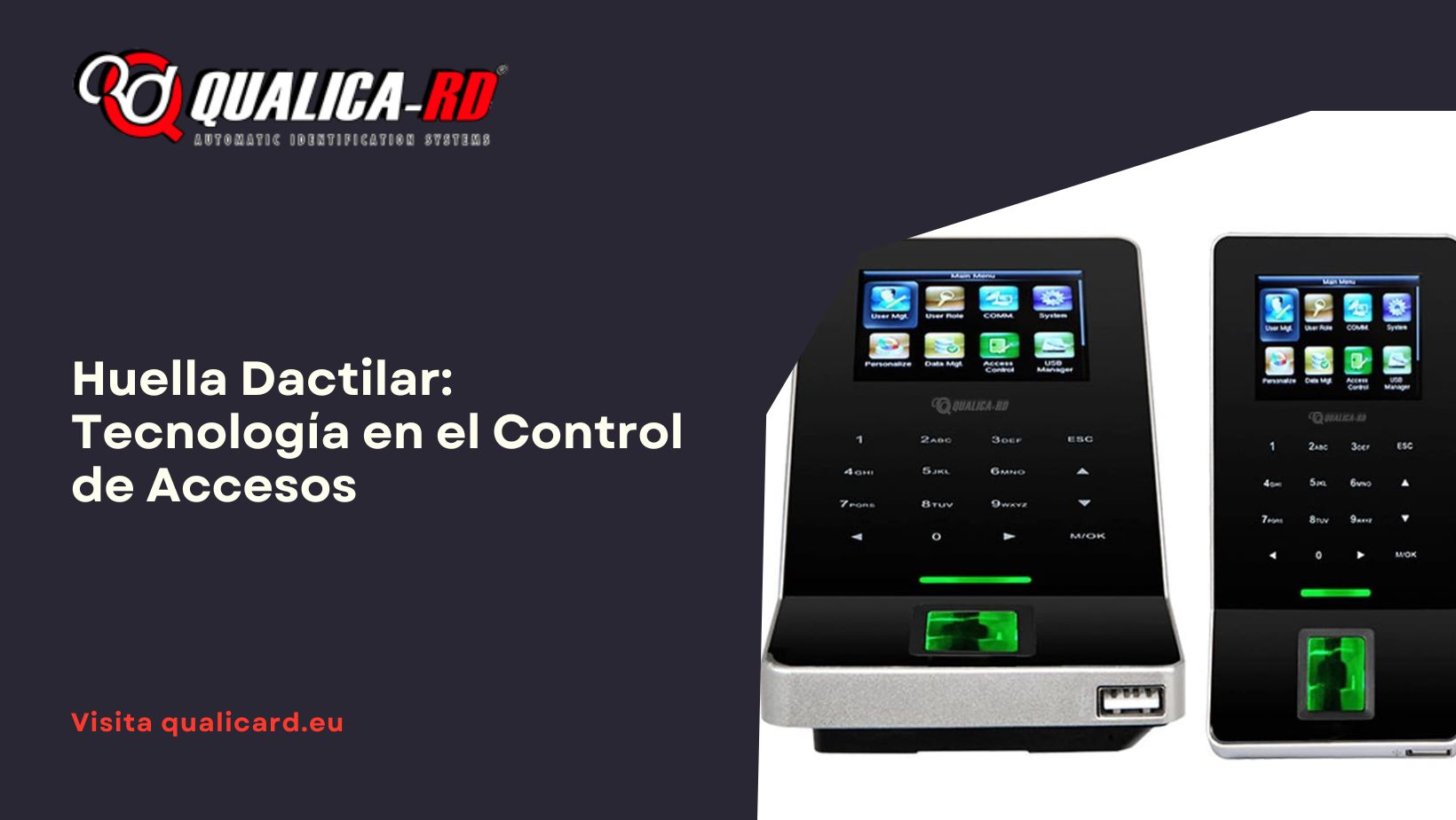
Fingerprint: Security and Technology in Access Control
Huella Dactilar: Seguridad y Tecnología en el Control de Accesos En un…
Go to Post
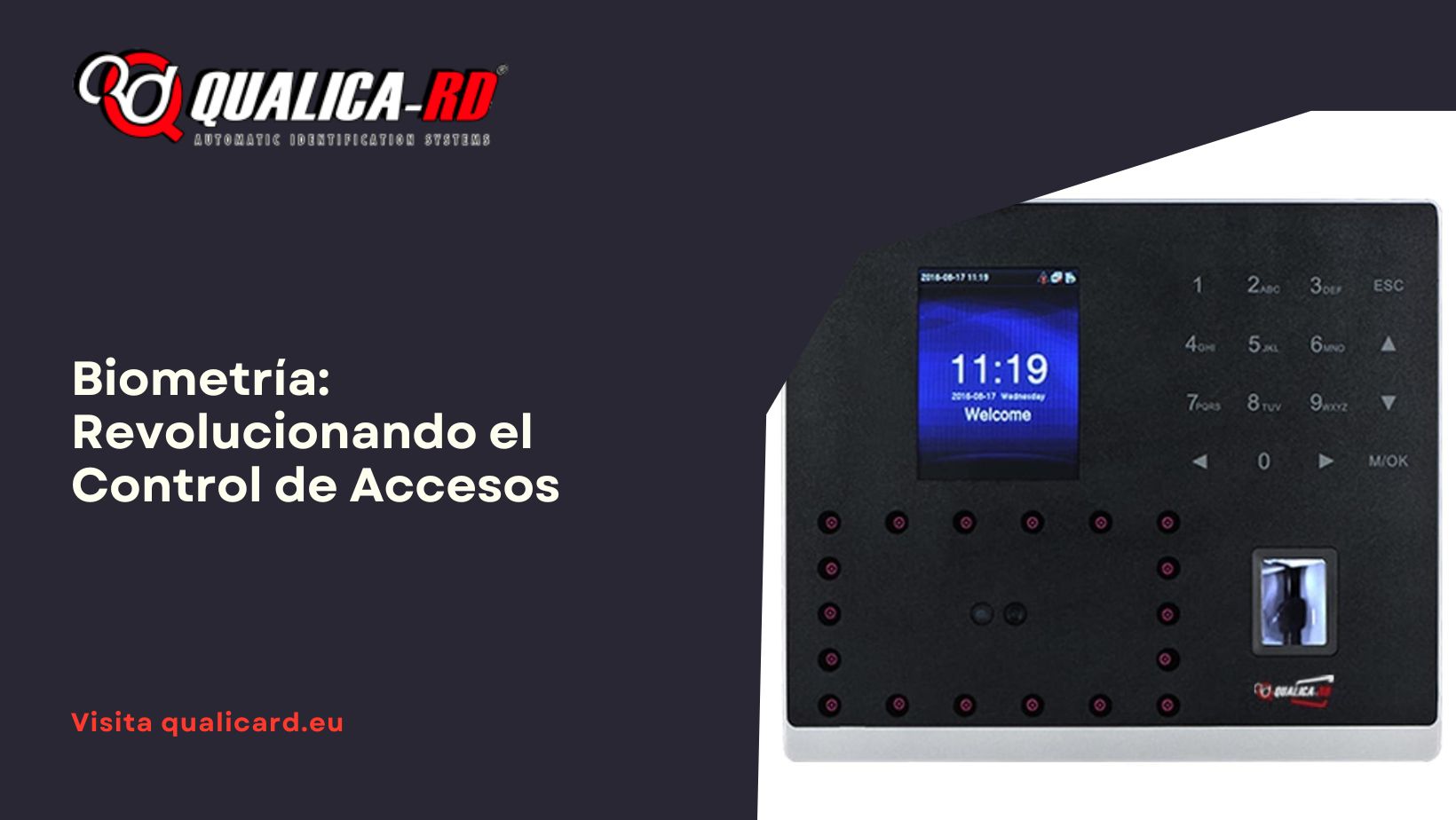
Biometrics: Revolutionizing Access Control
Biometría: Revolucionando el Control de Accesos ¿Qué es la Biometría y por…
Go to Post

Access with Fingerprint: Innovative Technology for Security
Introducción al Acceso con Huella Digital: Descubre cómo la tecnología biométrica está…
Go to Post