
Business Hours: Monday to Thursday: 7:00 AM – 3:00 PM (Support until 5:00 PM) | Friday: 7:00 AM – 3:00 PM (Support until 2:30 PM)
(+34) 957 326 107
Business Hours: Monday to Thursday: 7:00 AM – 3:00 PM (Support until 5:00 PM) | Friday: 7:00 AM – 3:00 PM (Support until 2:30 PM)
Copyright © 2025 Qualicard. All Rights Reserved.


Technical Support
Fingerprint: Security and Technology in Access Control
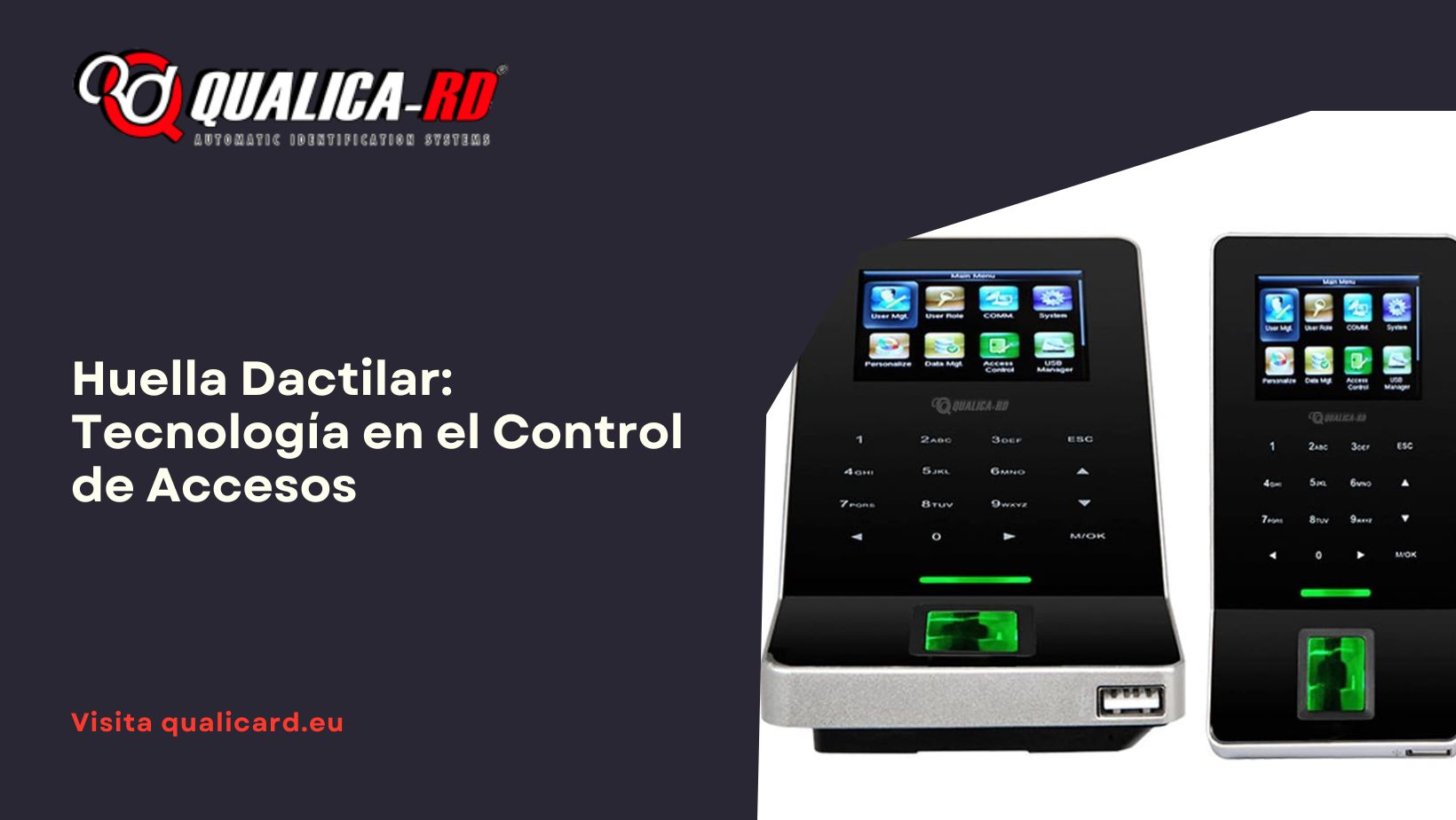
October 11, 2024
Fingerprint: Security and Technology in Access Control
In an increasingly connected and digital world, the fingerprint has become a fundamental tool to ensure security and access control. This biometric technology not only ensures the precise identification of each individual but also raises important questions about privacy and the security of our personal data. In this article, we will explore what a fingerprint is, its advantages and disadvantages, as well as its application in everyday life and its impact on the future of biometric access.
What is a fingerprint?
A fingerprint is the unique representation of the ridges and valleys on the skin of the fingertip. This biometric characteristic is formed naturally during fetal development and remains unchanged throughout a person’s life, making it a reliable identifier. Current technologies allow for the scanning and analysis of these impressions, creating a digital map that can be used to authenticate an individual’s identity quickly and efficiently.
The use of this technology has transformed the way we manage access control in various facilities, from offices to mobile devices. Through a simple scan, it is possible to verify identity and grant access, thus avoiding the use of passwords, which can be forgotten or compromised. Furthermore, the implementation of systems based on fingerprints reduces the risk of identity theft, significantly increasing security.
Despite its effectiveness, fingerprinting is not without challenges. Concerns about privacy arise as more companies and organizations adopt this technology to collect biometric data. The possibility of this data being misused by third parties raises questions about how it is protected and stored. Establishing rigorous protocols for handling this information is crucial to ensure that the benefits of biometrics do not come with unnecessary risks.
Advantages of fingerprinting in access control
One of the main advantages of using fingerprints in access control systems is the high security they offer. Since each person has a unique pattern, the likelihood of two individuals sharing the same fingerprint is virtually nonexistent. This ensures that only authorized individuals can access restricted areas, which is particularly valuable in sensitive environments such as financial institutions or research laboratories.
The authentication process is also remarkably fast and efficient. With just a light touch, the system can confirm the identity of the user in a matter of seconds. This speed not only enhances the user experience but also increases the flow of people in crowded spaces, eliminating the long waits that can be associated with more traditional identification methods such as magnetic cards or PIN codes.
Another attractive feature is the difficulty of fraud associated with the use of fingerprints. Biometric recognition systems are less susceptible to being fooled compared to other methods. For example, a PIN code can be forgotten or stolen, while a fingerprint is physical and inherent to the individual. This not only deters potential intruders but also establishes a higher standard of accountability when managing access to sensitive information and valuable resources.
High security and accuracy in identification
The identification through fingerprints is distinguished by its remarkable accuracy. Each digital impression contains unique patterns that are difficult to replicate, ensuring that biometric systems can differentiate between individuals with exceptional precision. This ability to distinguish between different fingerprints is fundamental in situations where security is a priority, such as access to government buildings or sensitive facilities.
The elimination of human errors also plays an important role in this type of identification. Unlike memory-based methods, such as passwords, which are subject to forgetfulness or confusion, the fingerprint cannot be forgotten or altered consciously or unconsciously. This significantly reduces the possibility of unauthorized access and optimizes the authentication process, creating a safer and more efficient environment for users.
The fingerprint recognition technology has advanced considerably, incorporating complex algorithms that analyze multiple characteristics of each impression. These systems can detect and adapt to variations in image quality, allowing them to identify fingerprints that may be temporarily deteriorated, such as those affected by extreme weather conditions or prolonged use. This level of adaptability further reinforces the reliability of the system in a variety of scenarios.
Ease of use and speed of access
The implementation of fingerprints in access control systems stands out for its remarkable ease of use. Users simply need to place their finger on the scanner, and in a matter of milliseconds, the system verifies their identity. This intuitive process eliminates the need to remember passwords or carry physical cards, contributing to a more efficient access system.
The speed of identity validation is especially valuable in high-traffic environments, such as airports or offices. In these places, where time is a critical resource, a system that allows immediate access helps to avoid congestion and improves the overall experience. The effectiveness of biometric authentication translates into a constant flow of people, benefiting not only the users but also the organizations responsible for managing the security of these facilities.
The use of fingerprints also fosters a safer and more reliable environment. When people know that the verification process is quick and straightforward, they feel more comfortable using it. This can result in greater acceptance of biometric technology, which in turn drives the adoption of measures that enhance overall security. The convenience associated with this system can encourage more people to opt for more secure authentication methods, generating a more robust security culture.
Disadvantages of fingerprinting
Despite the benefits offered by fingerprint technology, there are certain disadvantages that deserve consideration. One of the most prominent issues is the vulnerability to forgery. Although biometric systems are generally secure, they are not infallible. With technological advancements, criminals can find ways to replicate fingerprints, jeopardizing the effectiveness of the security system. This has led to a debate about the need for additional authentication methods to reinforce security.
Privacy is another critical aspect that raises concern. Storing biometric data carries the risk of this information being misused or exposed in the event of a security breach. Unlike a password, which can be changed, a fingerprint is permanent. This means that if it is compromised, the individual cannot alter their biometrics. The implications of the leakage of this data can be devastating, requiring careful management of the collected information.
The physical context of capturing fingerprints can also pose challenges. Factors such as humidity, finger injuries, or adverse environmental conditions can hinder the effective scanning of fingerprints. These situations can lead to delays in access or even user frustration. Thus, while biometrics offers efficiency, its operation largely depends on ideal conditions, which is sometimes not possible in daily practice.
Challenges in terms of privacy
The adoption of fingerprint-based identification systems raises important privacy issues that cannot be ignored. The collection and storage of biometric data requires special attention, as any mishandling of this information can result in violations of personal privacy. Users often worry about who has access to their data and how it is being used, generating a distrust that can affect the acceptance of these technologies.
When biometric data is stored in databases, there is a risk that a cyber attack could compromise this information. If a hacker manages to access a system, they could not only steal fingerprints but also use them for illegal activities. This presents a significant dilemma, as once biometric data is stolen, there is no way to “change” a fingerprint, unlike a password or an access card that can be replaced.
The widespread use of this technology can also lead to excessive surveillance. With the rise of biometrics, some organizations may be tempted to implement monitoring systems that indiscriminately collect fingerprint data. This raises concerns about the erosion of civil liberties and the right to privacy, as individuals may find themselves constantly monitored without their explicit consent. The lack of transparency in how this data is collected and used becomes a critical aspect that requires immediate attention.
Risks of Forgery and Deception
A concerning aspect of the use of fingerprints is the possibility of forgery and deception. With the advancement of technology, criminals have developed sophisticated methods to create copies of fingerprints, which can compromise security systems that rely on this biometric technology. These reproductions can be produced from images obtained from various sources, facilitating unauthorized access to restricted areas.
The creation of silicone molds or the use of 3D printing techniques allows attackers to replicate fingerprints in a surprisingly effective manner. Although advanced biometric systems include additional measures to detect impersonation attempts, such as the identification of live characteristics or the evaluation of skin temperature, not all devices implement these technologies. This leaves a margin of vulnerability that offenders could exploit, putting both the security and integrity of user data at risk.
In addition to the physical forgery of fingerprints, there is a risk that scanning systems can be deceived by more ingenious techniques. For example, the use of envelopes and structures that correctly mimic the size and shape of a fingerprint can bypass some scanners, demonstrating that while biometrics is powerful, it is not infallible. Over-reliance on biometric technology without a complementary security approach can lead to serious consequences, making it crucial to incorporate multiple layers of protection in biometric access systems.
Fingerprint technology in the market
The advancement of fingerprint technology has led to its adoption across a variety of industries, from building security to verification on mobile devices. Every day, more companies are integrating these biometric systems into their operations, promoting more controlled and efficient access. The evolution of platforms has allowed fingerprint scanners to become more compact and precise, facilitating their use in a wide range of applications.
In the field of physical security, these technologies have become essential components for the protection of assets and people. From access to restricted areas to employee identification, fingerprint systems are valued for their reliability and responsiveness. The growing trend towards digitalization and automation in the business sector has made biometric solutions even more attractive, as they provide an effective method for managing security in a complex business environment.
The market has also seen an increase in the implementation of these technologies in the consumer sector, with mobile devices and banking applications using fingerprints as a method of authentication. This functionality not only enhances the user experience by allowing quick and easy access, but also increases security in digital transactions. However, this expansion raises the need for stricter regulations to protect biometric data and ensure its responsible use by companies and organizations.
As awareness of the importance of biometric data security grows, so does the demand for solutions that offer a balanced approach between convenience and protection. The industry continues to innovate, exploring combinations of fingerprints with other forms of authentication, such as facial recognition or voice verification. This multifaceted approach promises greater security and assistance to the varied needs of users in an increasingly digital world.
Use of biometrics: fingerprints and more
The growing interest in biometrics has led to the implementation of technologies that go beyond fingerprints. Today, organizations are exploring a variety of biometric identification methods, such as facial recognition, iris identification, and voice authentication. These solutions offer different levels of security and convenience, adapting to the specific needs of each environment, from personal devices to high-security access systems.
The combination of various biometric methods is gaining popularity, as it encourages organizations to establish more robust systems. The integration of fingerprinting with facial recognition, for example, allows for identity verification at multiple levels, significantly increasing security. This multifaceted approach not only enhances the effectiveness of controlled access but also presents an additional barrier against identity theft and fraud.
The advancement in data processing and analysis capabilities has facilitated the continuous improvement of biometric software. As artificial intelligence algorithms become more sophisticated, the accuracy and speed of biometric identification increase, making authentication faster and more secure. This is especially valuable in commercial situations where time and efficiency are paramount, allowing companies to manage more optimal workflows and reduce security risks.
As concerns about privacy and ethics in the use of biometric data continue to emerge, organizations must find a balance between innovation and responsibility. Ensuring the protection of biometric information and establishing clear protocols for collection and use becomes crucial. The successful adoption of biometrics will depend not only on the technology itself but also on the trust that users place in these systems to safeguard their personal information.
Conclusion
The use of fingerprints as a method of identification offers a number of significant advantages in terms of security and efficiency. Its ability to provide quick and accurate access to restricted areas has revolutionized various sectors, from physical security to banking services. However, these benefits come with challenges that must be carefully considered, such as concerns about privacy and the risk of forgery.
Biometric technology as a whole is constantly evolving, driven by innovation and the demand for more effective and secure solutions. The integration of multifaceted authentication methods promises not only to enhance security but also to foster user trust, a critical factor in the adoption of these technologies. With a proper focus on data management and the protection of personal information, it is possible to maximize the benefits of biometrics while minimizing its risks.
As the technological landscape continues to transform and digitalization advances, biometrics will play a crucial role in the way we interact with our devices and spaces. Maintaining a balance between innovation and ethics will be essential to ensure that these tools enrich our lives without compromising privacy or security. Making informed and responsible decisions about the use of fingerprints and other forms of biometric identification is fundamental for a safer and more reliable future.
Share
Related News



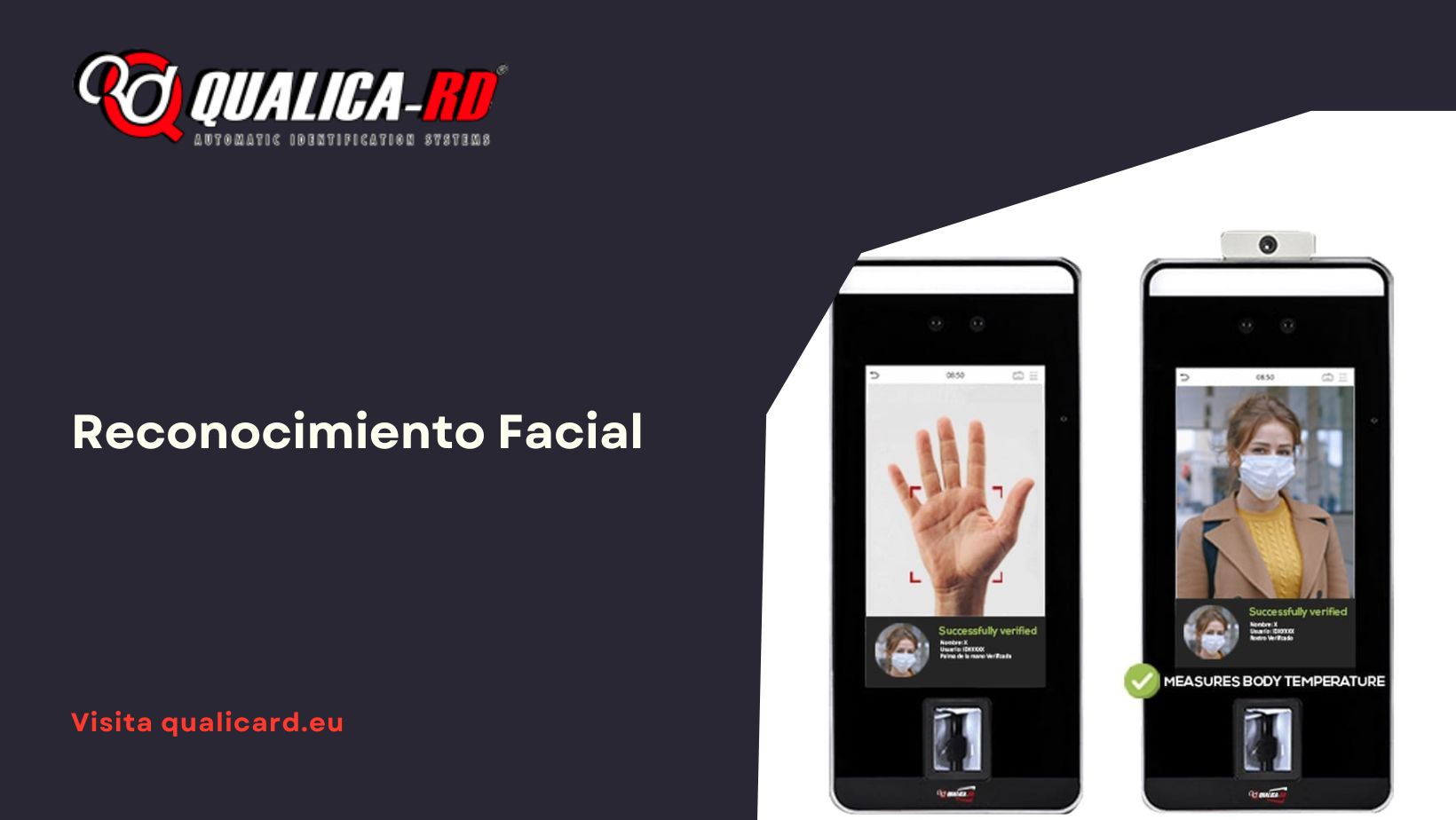
Reconocimiento Facial: Tecnología, Ventajas y Desafíos
Reconocimiento Facial: Tecnología, Ventajas y Desafíos En un mundo cada vez más…
Go to Post
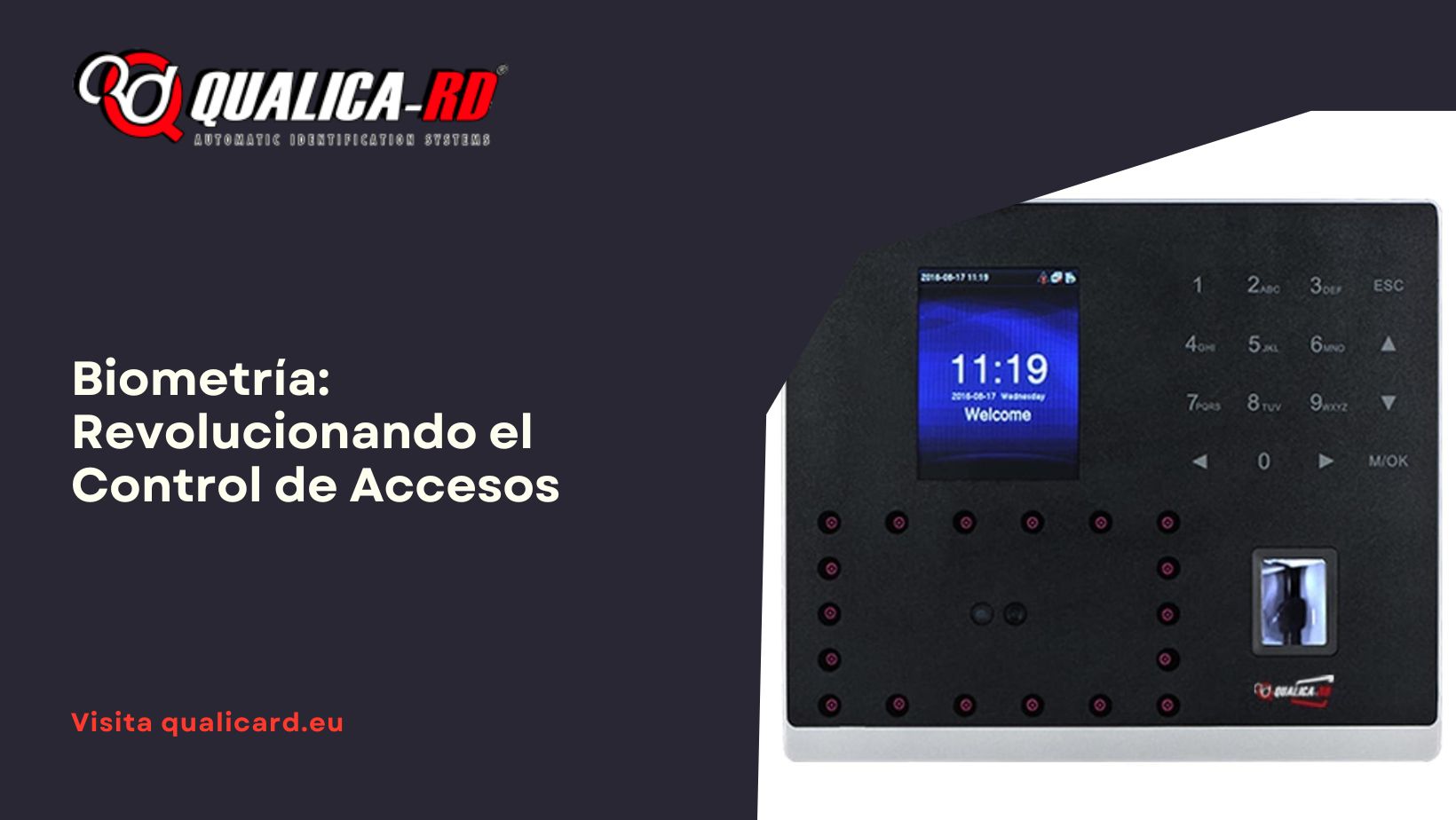
Biometrics: Revolutionizing Access Control
Biometría: Revolucionando el Control de Accesos ¿Qué es la Biometría y por…
Go to Post
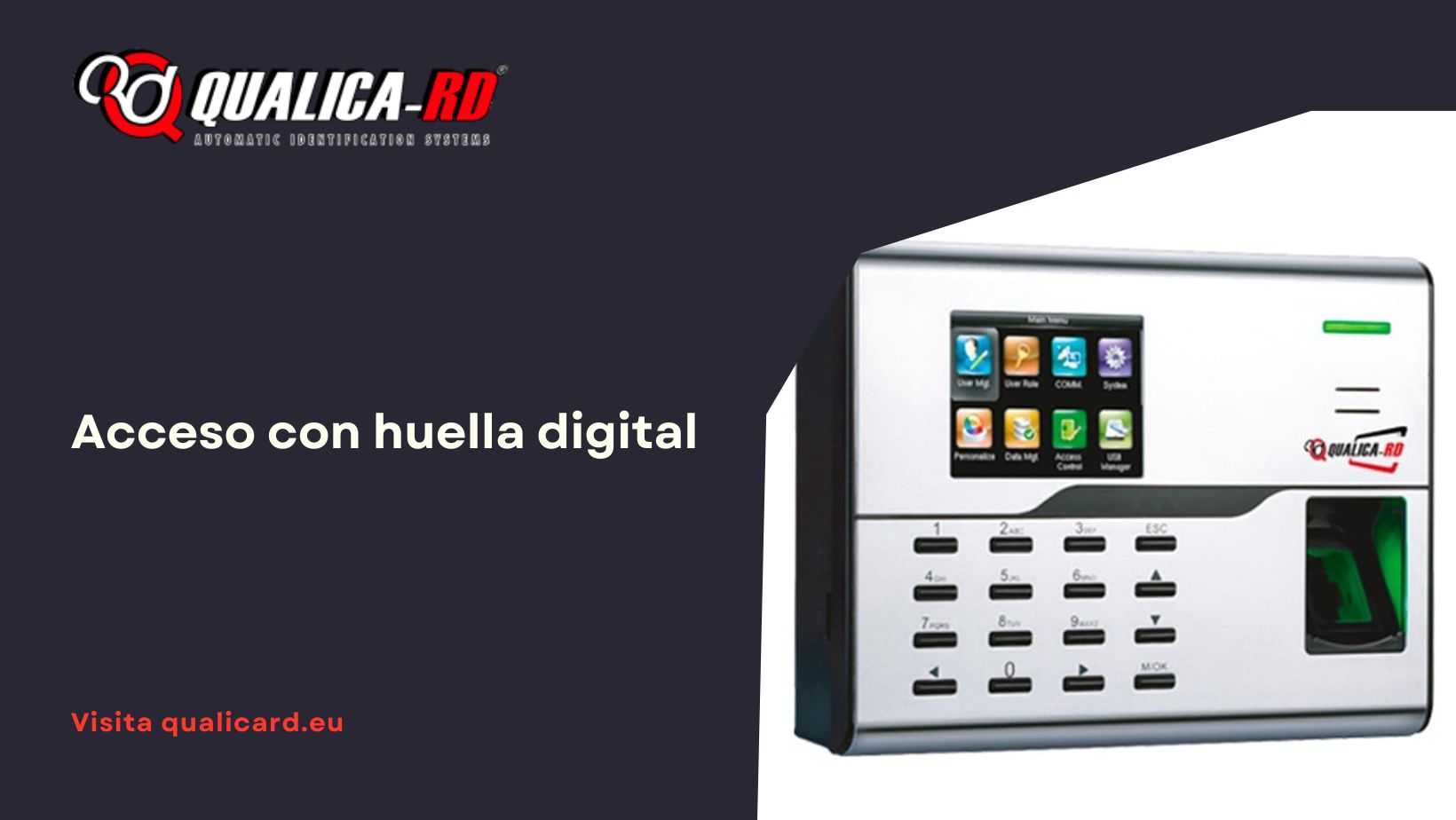
Access with Fingerprint: Innovative Technology for Security
Introducción al Acceso con Huella Digital: Descubre cómo la tecnología biométrica está…
Go to Post