Business Hours: Monday to Thursday: 7:00 AM – 3:00 PM (Support until 5:00 PM) | Friday: 7:00 AM – 3:00 PM (Support until 2:30 PM)
(+34) 957 326 107
Business Hours: Monday to Thursday: 7:00 AM – 3:00 PM (Support until 5:00 PM) | Friday: 7:00 AM – 3:00 PM (Support until 2:30 PM)
Copyright © 2025 Qualicard. All Rights Reserved.


Technical Support
Dye-sublimation printers vs inkjet printers
December 1, 2024
Sublimation printers vs. inkjet printers: Which is the best option for your needs?
In today’s printing world, it is essential to choose the right technology that fits our specific needs. Sublimation printers and inkjet printers are two of the most popular options on the market. Both offer unique advantages, but understanding their differences is key to making an informed decision. In this article, we will explore how each type of printer works, their respective advantages, and which may be the best choice for your printing projects.
Introduction to sublimation and inkjet printers
Printing capabilities have evolved significantly in recent years, leading consumers to an important dilemma: Which technology to choose? On one hand, sublimation printers use a process that transforms solid ink into gas, allowing colors to permanently fuse with the material. This method offers exceptional print quality, especially useful for products like t-shirts and banners, where durability and brightness are paramount.
The other competitor in this scenario is inkjet printers, which have been a pillar in the field of document and photo printing. These machines use a different technique, where ink is sprayed onto the paper to create vibrant images. Their versatility and ability to print on a wide variety of media make them ideal for those looking for a more accessible and broad option.
In the context of commercial production, each type of printer has its own niche. Sublimation printers are particularly valued in industries where customization is key, such as in the creation of merchandise. On the other hand, inkjet printers are preferred for their cost-effectiveness and ease of use, making them a popular choice for offices and homes. The choice between one and the other will largely depend on what each user prioritizes in terms of quality, cost, and specific need.
Operation of Sublimation Printers
The sublimation printing process is based on an innovative method that transforms solid-state ink into gas without passing through the liquid phase. This method uses special ink cartridges, composed of dyes that, when applied using heat, turn into vapor. This vapor penetrates the fibers of the material, ensuring that the color adheres permanently and appears vibrant and bright. The technique is especially effective on surfaces like polyester, where the combination of heat and pressure allows the ink to fuse at the molecular level.
One of the keys to this system is the precision in temperature control and printing time. Each design is printed on a transfer sheet, which is placed on the object to be customized. During the heating process, the properties of the material secured with the sublimation method play a crucial role, as only certain fabrics can effectively react with the ink. This interaction is what transforms ordinary elements into high-quality customized products.
The results obtained are immensely durable, with colors that resist abrasion, washing, and exposure to light. This makes sublimation a popular choice for promotional items, sportswear, and decoration. When looking for a solution that offers high-quality aesthetics and durability, many users find that sublimation printers exceed expectations in terms of production and performance. The technology not only stands out for its color reproduction capabilities but also for the resistance of the final products to daily wear and tear.
Technology and printing process
The sublimation printing process relies on a technology that combines chemistry and physics to achieve impressive results. The key lies in the use of special inks that contain dyes which, when exposed to heat and pressure, transform into gas without passing through a liquid state. This phenomenon allows the ink to infiltrate the material, creating an image that is not only vibrant but also extremely durable. The ability of the ink to merge with the fibers of the fabric eliminates the possibility of cracking or peeling over time.
Printing systems are usually equipped with high-precision print heads that control the amount of ink applied, allowing for a faithful reproduction of details and colors. The critical transition temperature is an important factor, as precise control in this aspect ensures that the ink is transferred adequately to the material without losing integrity. This technical aspect enables designers and manufacturers to create unique products with high-resolution image quality, which is ideal for the merchandising market and customized products.
The choice of material also plays a fundamental role in this process. Synthetic fabrics, especially those containing polyester, are the most suitable for this technique, as they allow the ink to adhere better. Consumers looking for customized products must take this compatibility into account to ensure the success of their printing projects. In the end, the combination of advanced technology and material choice provides significant added value to dye-sublimation printing, making it desirable in today’s market.
Advantages of dye-sublimation printers
One of the most attractive features of dye-sublimation printing is the exceptional image quality that can be achieved. The colors are intense and vibrant, allowing designs to stand out impressively on any suitable surface. This ability to reproduce images with a high resolution makes sublimation especially popular in industries such as fashion, decoration, and merchandising, where visual presentation is fundamental.
The durability of printed products is another outstanding aspect. Unlike other printing methods where the ink can wear off or fade over time, sublimation integrates the colors into the fibers of the material. This means that the final items are resistant to washing, friction, and exposure to light. Consumers looking for products that maintain their appearance over time will find this technology an ideal option.
The customization capability offered by sublimation is impressive. From t-shirts to mugs, the possibilities are practically endless, allowing companies and creatives to individualize products to meet customer demands. This level of customization imparts a sense of connection and exclusivity, elements that are highly valued today. Thus, not only are high-quality items obtained, but a unique and personalized experience is also offered to the user.
Operation of inkjet printers
The printing process in inkjet machines is based on the principle of ink spraying. Using small nozzles, these printers are capable of expelling tiny droplets of ink onto paper, creating images and text with a high level of detail. This method provides excellent color reproduction capability, making them a viable option for both black and white documents and vibrant photographic prints. The flexibility in the type of paper that can be used is another significant advantage, allowing for a wide range of applications from photographic material to conventional stationery.
Ink cartridges are key components in this type of printers. Each cartridge contains a set of primary colors that, when combined, allow for a wide spectrum of shades to be reproduced. Some models of inkjet printers feature continuous ink systems, which provide the ability to print large volumes without the need to frequently replace the cartridges. This approach not only improves efficiency but also proves to be more cost-effective for users who require constant production.
Versatility is one of the most attractive features of inkjet printers. They can be used for a variety of tasks, from printing simple documents to creating complex graphic materials. The printing capabilities in different formats, such as labels, envelopes, and large photos, make this type of printer an essential tool in offices and homes. The relative ease of use and minimal maintenance required also contribute to their popularity, especially among those looking for an effective and accessible printing solution.
Technology and printing process
The operation of inkjet printers is based on a technology that uses microscopic nozzles to expel small droplets of ink onto the paper. This technique allows for high precision, resulting in sharp details and vibrant colors in every print. By controlling the amount of ink released and the printing speed, these machines are capable of creating high-quality images and text in a wide variety of formats and surfaces.
Another key feature of this technology is the use of ink cartridges, which can be easily replaced. This not only simplifies maintenance but also offers the possibility to choose between different types of ink, such as water-based inks or pigments, depending on the user’s needs. This flexibility allows inkjet printers to adapt to various projects, from black and white documents to high-quality photographic prints.
The modular design of many inkjet printers contributes to their versatility. Users can install different print heads depending on the type of work required, thus optimizing print quality. The ability to print on various media, such as photo papers, card stock, or even adhesive labels, positions these printers as an attractive option for different applications, both in professional environments and at home. This functionality translates into a significant added value, especially for those seeking a multifunctional printing solution.
Advantages of inkjet printers
One of the main advantages of this type of printer is the ability to produce high-quality images at a relatively low cost. Inkjet technology allows for the creation of sharp and detailed prints, making them ideal for photographic and graphic projects where precision is essential. Compared to other printing methods, inkjet printers offer a very competitive price-quality ratio, especially for users who need to print in moderate quantities.
The compact size of many inkjet printers makes them an ideal option for home and small offices. Their lightweight and portable design means they can be easily moved or stored, taking up little space in the work environment. This is especially useful for those with limited space who require an efficient printing solution that does not compromise on quality.
Another notable aspect is the versatility in the types of materials that can be printed on. These printers offer the option to work with various formats, from paper documents to prints on textiles or adhesives. This translates into greater creative freedom for users looking to explore different applications, whether for school projects, professional presentations, or marketing initiatives. The ability to adapt to multiple substrates makes it an indispensable tool for many users.
Comparison: Dye-sublimation printers vs. inkjet printers
The choice between different printing technologies can be complicated, but it is essential to consider the specific needs of each project. Dye-sublimation printers stand out for their ability to produce vibrant and long-lasting images, ideal for textiles and promotional items. This type of printing provides a finish that resists fading, ensuring that printed products maintain their brilliance even after multiple washes.
On the other hand, inkjet printers are characterized by their versatility and ease of use. They are perfect for a wide range of applications, from everyday documents to creative projects. The ability to print on different types of paper and surfaces gives them a significant advantage in environments where fast and quality printing is required. Additionally, the initial costs are often more accessible, making them a popular choice for home users and small businesses.
In terms of operating costs, inkjet printers can be more economical in the short term, although ink cartridges can be a recurring expense. On the other hand, dye-sublimation printers may require a higher initial investment, but the quality and durability of the prints offset this expense over time. The final decision should be based on the type of projects anticipated, considering the desired quality, the materials involved, and the frequency of use.
Conclusion: Which one to choose according to your needs?
When evaluating which printing technology is most suitable, it is crucial to consider the specific needs that each type of user may have. For those looking to print textiles or promotional items that require long-lasting durability and vibrant colors, dye-sublimation printers are the ideal choice. Their ability to fuse the ink with the fibers of the material ensures high-quality and durable results, making them perfect for the merchandising and product personalization sector.
For the user who prioritizes versatility and cost-effectiveness in their printing projects, inkjet printers offer an effective solution. These machines adapt to a wide range of formats and media types, allowing for everything from photographic prints to everyday documents to be produced with ease. The cost-benefit ratio is an attractive factor, especially for those who need to print in different formats without an excessive compromise on quality.
The decision between a dye-sublimation printer and an inkjet printer should be based on a careful analysis of the printing needs and objectives. Considering aspects such as the type of materials to be used, the frequency of printing, and the available budget will help in selecting the most suitable technology. Both types of printers have their own advantages, and the right choice will provide satisfactory results in the printing projects that are to be carried out.
Share
Related News
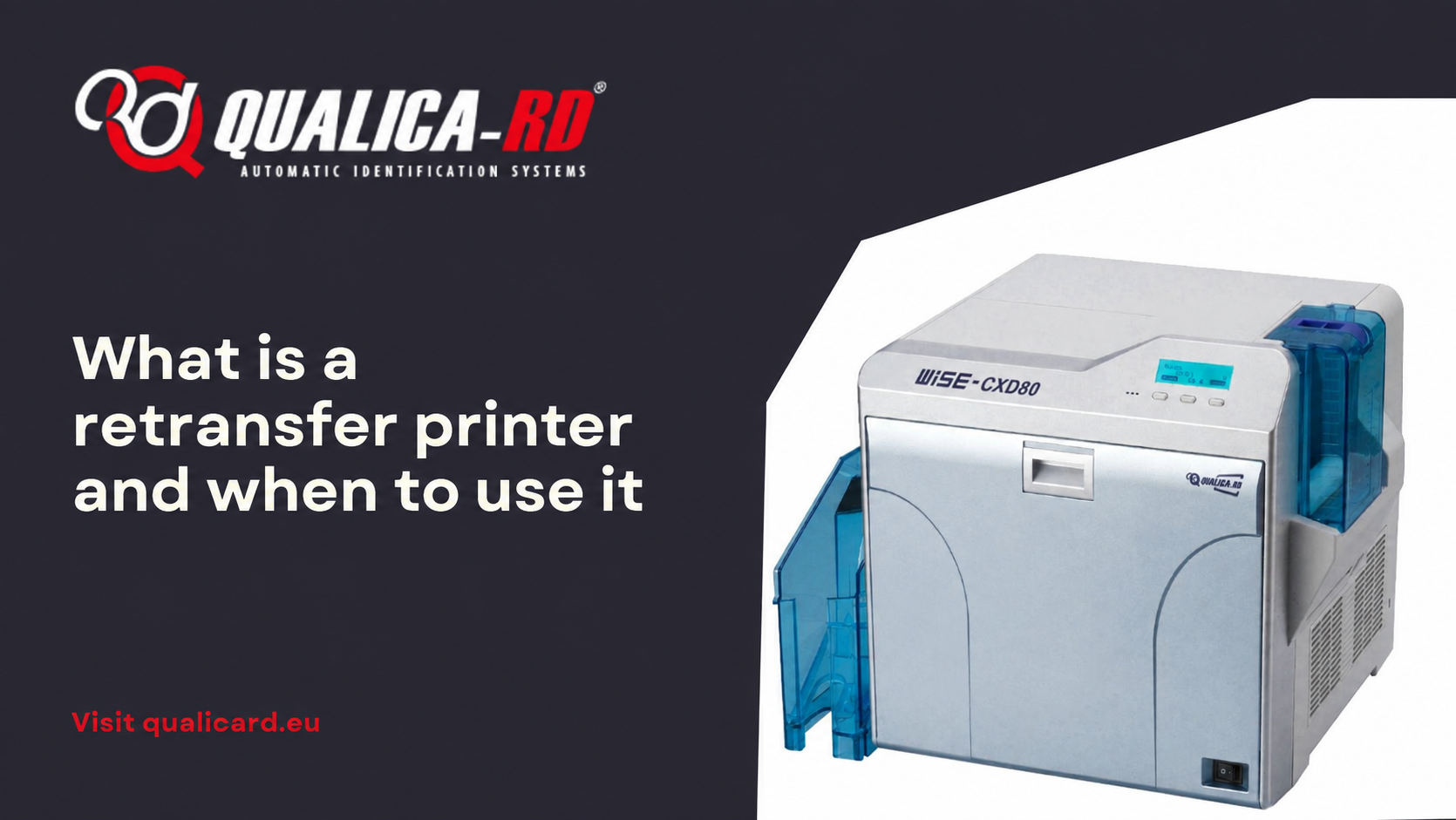
What is a retransfer printer and when to…
In the world of PVC card printers designed to personalize credentials, ID…
Go to Post
Guide to printing credentials for events
Complete guide to printing badges for events In this guide to printing…
Go to Post
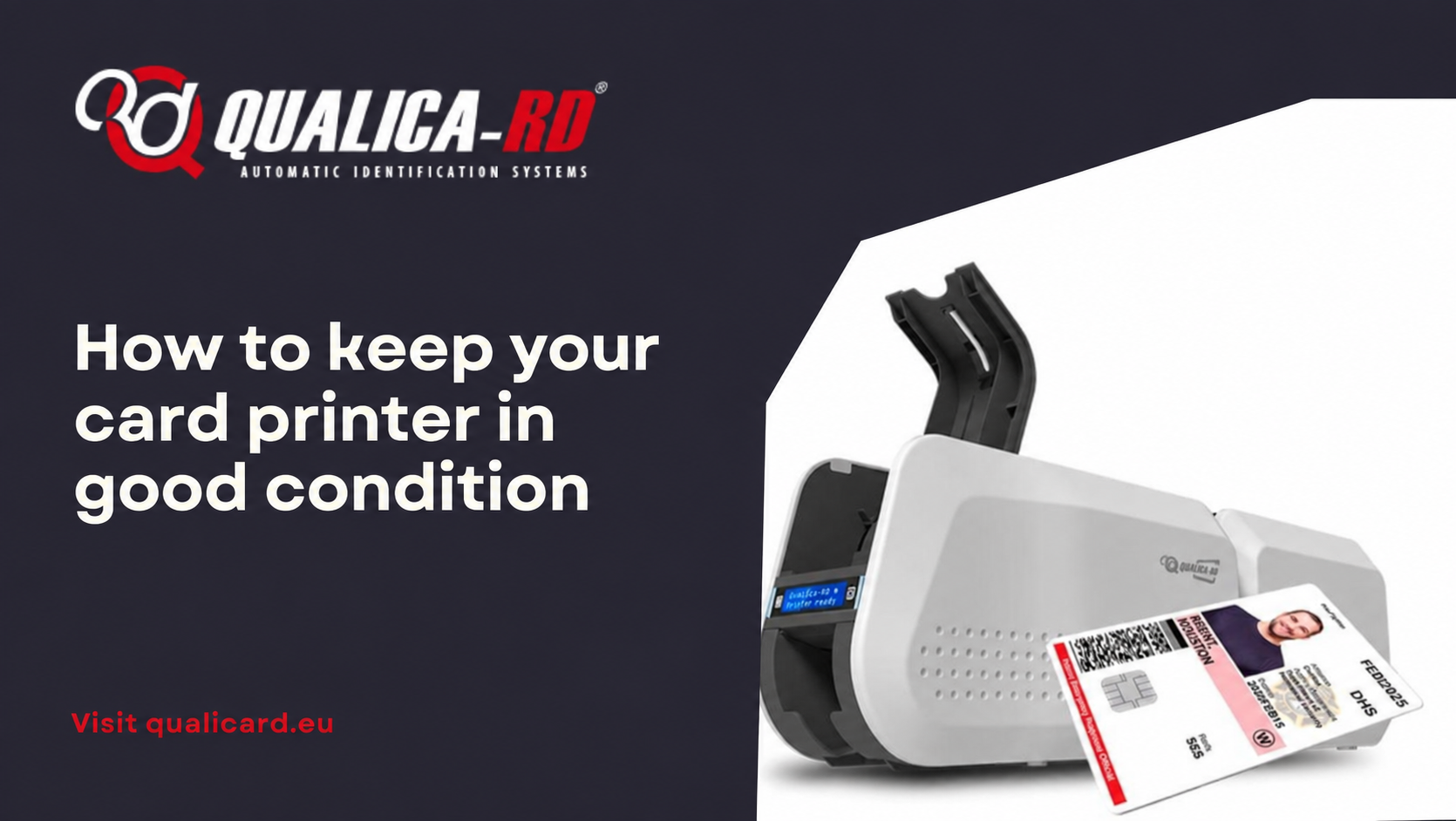
How to keep your card printer in good…
How to keep your card printer in good condition The proper functioning…
Go to Post