
Business Hours: Monday to Thursday: 7:00 AM – 3:00 PM (Support until 5:00 PM) | Friday: 7:00 AM – 3:00 PM (Support until 2:30 PM)
(+34) 957 326 107
Business Hours: Monday to Thursday: 7:00 AM – 3:00 PM (Support until 5:00 PM) | Friday: 7:00 AM – 3:00 PM (Support until 2:30 PM)
Copyright © 2025 Qualicard. All Rights Reserved.


Technical Support
Business Card Printing: Benefits, Advantages, and Useful Tips
February 1, 2025
Business Cards Printing: Benefits, Advantages, and Useful Tips
Importance of Business Cards in the Professional Environment
Business cards are more than just simple carriers of contact information; they represent professional identity and the first impression offered to potential clients or partners. Their tangible format facilitates the direct exchange of information in meetings, conferences, and networking events. Additionally, they provide a personal touch that digital communications often fail to convey.
Benefits and Advantages of Business Cards Printing
1. Cost-Effective Marketing Tool
Printing business cards is an affordable marketing strategy. It allows for the production of large quantities at a low cost, facilitating distribution at various professional events and situations.
2. Creating a Lasting First Impression
A well-designed card can create a positive and lasting impression, reflecting professionalism and attention to detail. This is crucial for establishing strong business relationships from the very first encounter.
3. Accessibility and Convenience
Business cards are compact and easy to carry, allowing for quick and efficient sharing of contact information at any time. This convenience is invaluable in situations where time is limited.
4. Reinforcement of Brand Identity
By using logos, corporate colors, and consistent typography, business cards reinforce brand identity, ensuring that the company is easily remembered and recognized.
5. Fostering Credibility and Professionalism
Presenting a well-crafted business card conveys seriousness and commitment, which can increase potential clients’ or partners’ trust in the services offered.
Tips for Designing and Printing Business Cards
1. Simple and Elegant Design
Opting for a clean and professional design facilitates readability and conveys an image of seriousness. Avoid overloading with information or graphic elements that may distract.
2. Use of High-Quality Materials
Selecting quality papers and special finishes, such as embossing or gold lettering, can elevate the perception of the card and, consequently, of the company.
3. Incorporation of Modern Elements
Adding elements like QR codes that direct to online portfolios or professional profiles can enrich the recipient’s experience and provide additional information interactively.
4. Consistency with Brand Identity
Ensure that the card accurately reflects the company’s identity, using colors, logos, and typography consistent with other marketing materials.
5. Clear and Concise Information
Include only essential information: name, title, company, phone number, email, and website. Clarity is key for effective communication.
Current Trends in Business Cards
1. Sustainable Materials
The use of eco-friendly and recycled materials is on the rise, reflecting a commitment to the environment and responding to current consumer expectations.
2. Geometric and Minimalist Designs
Geometric shapes and minimalist designs bring modernity and sophistication, aligning with contemporary trends in graphic design.
3. Digital Business Cards
With digitalization, digital business cards are gaining popularity, allowing for the sharing of contact information through mobile devices and reducing paper use.
Conclusion
Despite the growing digitalization, printed business cards continue to be a valuable tool in the professional world. They offer a tangible and effective way to share contact information, reinforce brand identity, and establish meaningful connections. By following best practices in design and printing, and staying up to date with current trends, companies can maximize the impact of their business cards and stand out in a competitive market.
Remember, a well-designed business card not only communicates contact information but also conveys professionalism, attention to detail, and the value your company offers.
Frequently Asked Questions about Business Card Printing
If you have questions about business card printing, here we address the most common inquiries to help you make the best decision when designing and producing your cards.
What is the best material for printing business cards?
The ideal material depends on the purpose and image you wish to project. The most common options include matte or glossy cardstock, recycled paper for eco-friendly options, and premium materials such as PVC, metal, or cardboard with special finishes to stand out.
What information should a business card include?
It is advisable to include name, title, company, phone number, email, and website. You can also add social media, physical address, and QR codes that redirect to your portfolio or digital contact.
What size is most suitable for a business card?
The standard size is 8.5 x 5.5 cm, but there are square variants or mini cards. The important thing is that they are easy to carry and readable.
Share
Related News
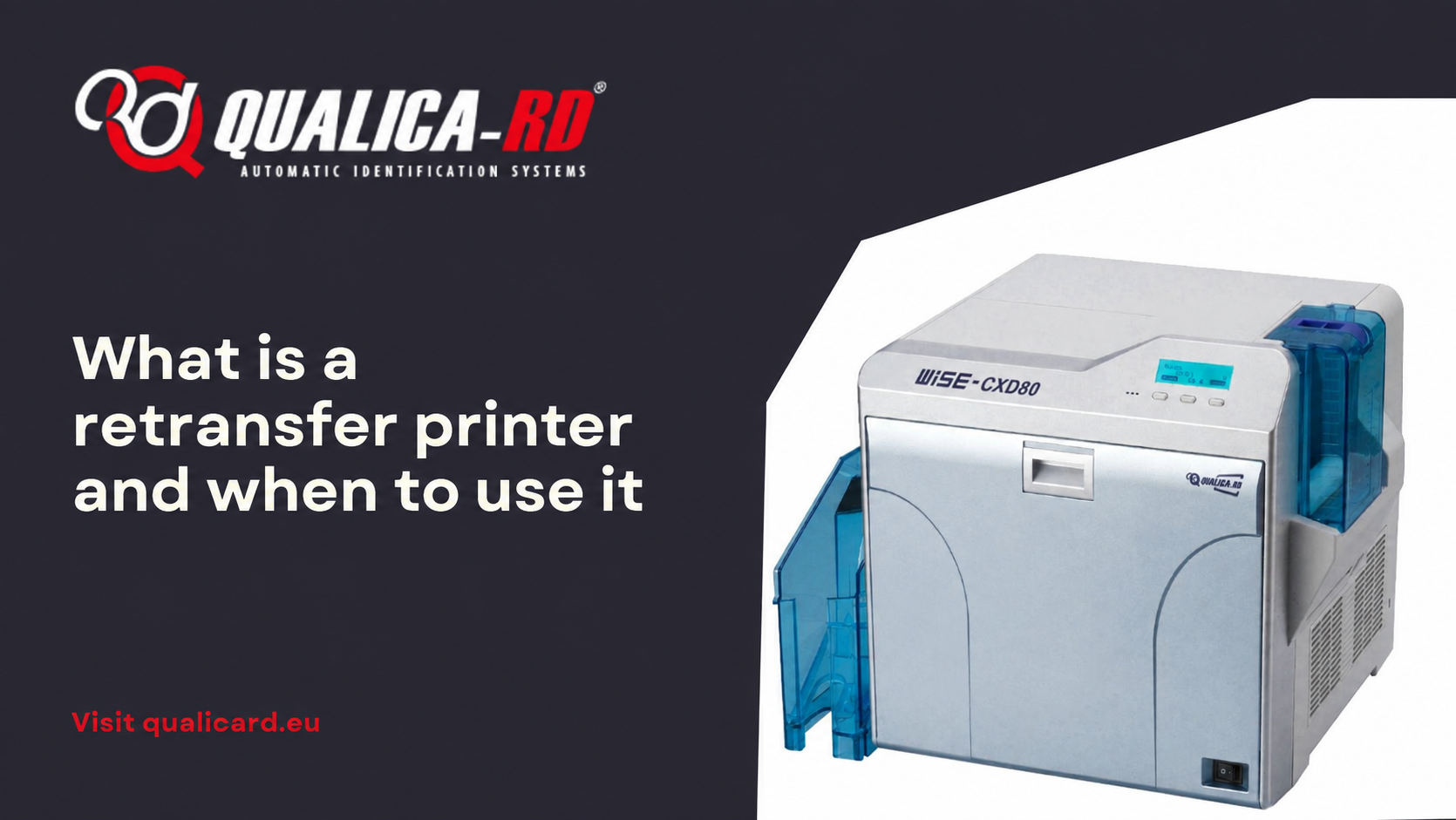
What is a retransfer printer and when to…
In the world of PVC card printers designed to personalize credentials, ID…
Go to Post
Guide to printing credentials for events
Complete guide to printing badges for events In this guide to printing…
Go to Post
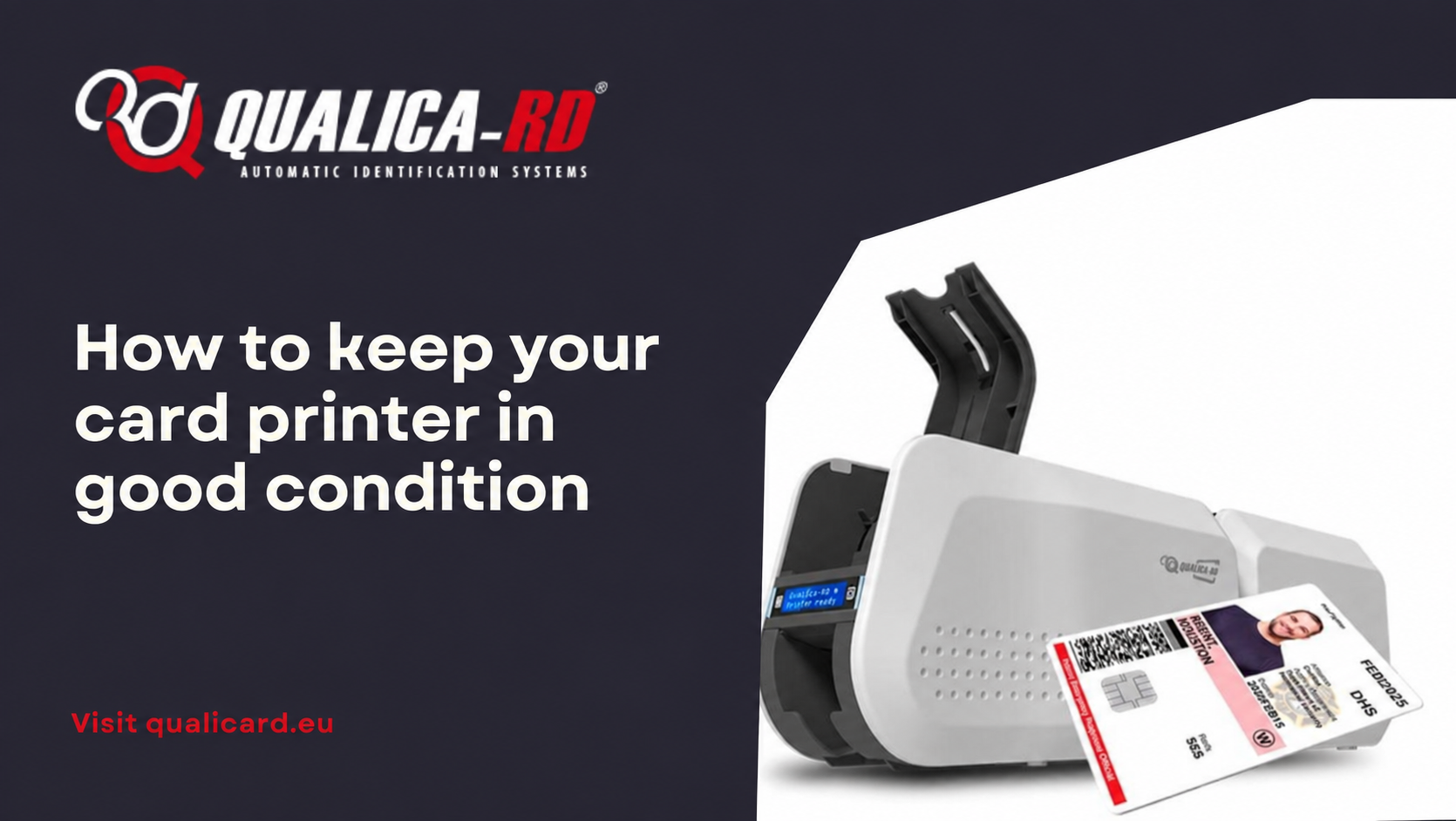
How to keep your card printer in good…
How to keep your card printer in good condition The proper functioning…
Go to Post