
Business Hours: Monday to Thursday: 7:00 AM – 3:00 PM (Support until 5:00 PM) | Friday: 7:00 AM – 3:00 PM (Support until 2:30 PM)
(+34) 957 326 107
Business Hours: Monday to Thursday: 7:00 AM – 3:00 PM (Support until 5:00 PM) | Friday: 7:00 AM – 3:00 PM (Support until 2:30 PM)
Copyright © 2025 Qualicard. All Rights Reserved.


Technical Support
Advantages of access control at events
December 12, 2024
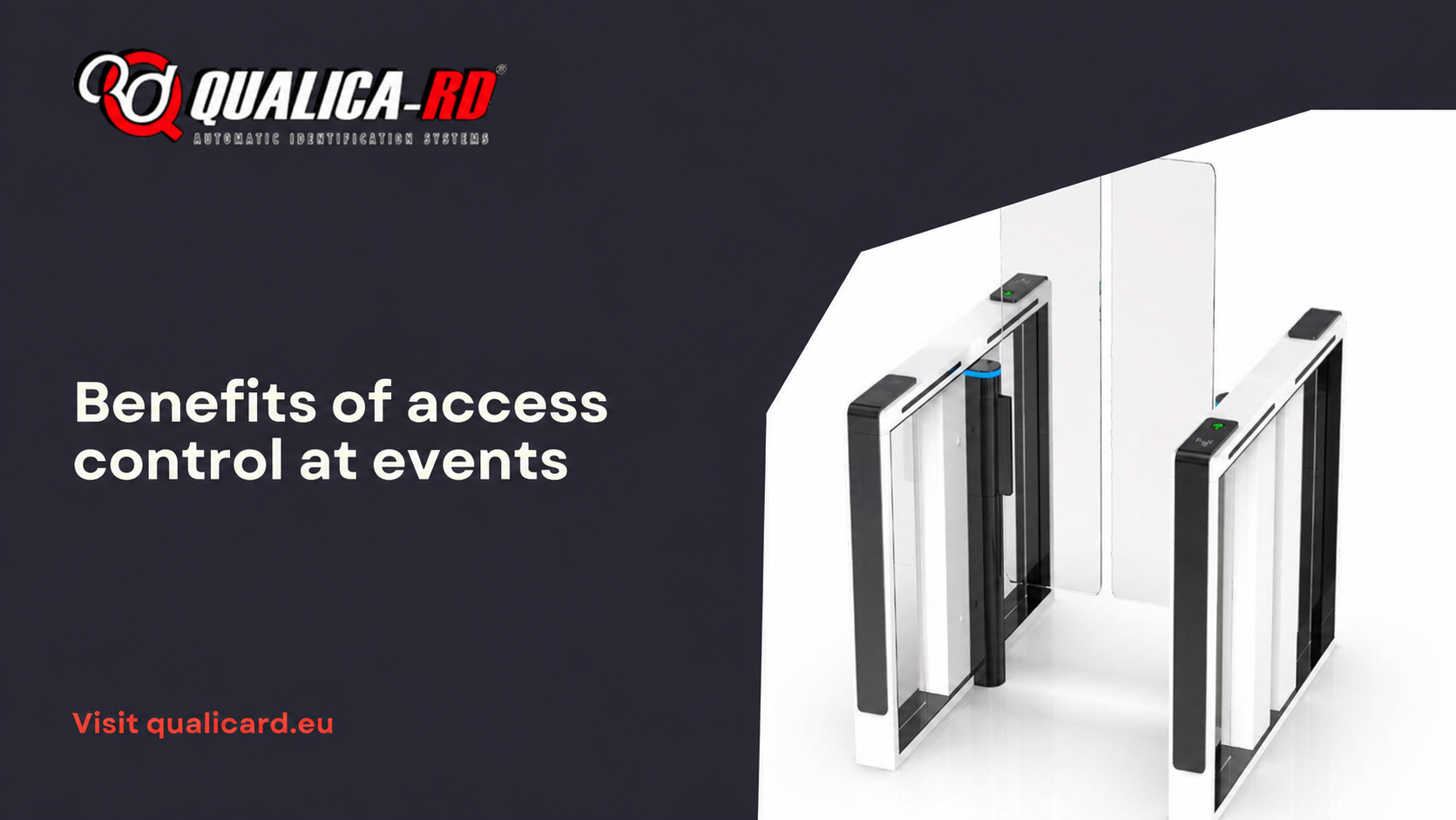
Advantages of access control at events: Security and organization at their best
Access control at events has become a fundamental tool to guarantee security and efficient organization for any type of gathering, from conferences to festivals. Implementing an appropriate system not only allows managing the flow of attendees, but also provides a more pleasant and safe experience for everyone involved. In this article, we will explore the advantages of access control at events and how it can transform the way these activities are carried out. Join us in this analysis!
What is access control at events?
Access control at events refers to a set of methods and technologies designed to regulate the entry and exit of people in different types of activities. From outdoor festivals to business conventions, this system plays a vital role in attendance management, ensuring that only authorized people can access the venue. It uses tools such as QR code wristbands, card readers, and biometric systems to quickly and effectively confirm attendees’ identities.
One of the most relevant features of access control is its ability to provide real-time data. This means organizers can monitor the number of participants at the event at all times. This information is essential for making immediate logistical adjustments, such as opening more access doors in the event of a large influx or even better managing the venue’s capacity. This proactive management enables a smoother experience for all attendees.
Likewise, access control contributes to improving security at the event. By verifying the identity of each person entering, the risks of unwanted intrusions are significantly reduced and a detailed record of attendees can be kept. In emergency situations, this information becomes crucial to ensure that all participants are safe and an accurate count can be made in a short period of time.
On the other hand, this technology also offers the possibility of customizing the user experience. For example, special credentials can be issued for VIP guests, which not only grants them access to restricted areas but also creates a sense of exclusivity. Additional benefits can be included, such as reserved seating or access to lounge areas, which can increase overall attendee satisfaction and the perceived value of the event.
Benefits of access control at events
Implementing an access control system at events generates a series of significant benefits that impact both the security and the logistics of the event. The ability to ensure that only authorized people access the venue not only protects assets and property, but also gives peace of mind to organizers and attendees. A safe environment encourages greater enjoyment and participation in activities, without the worry of possible incidents.
Another important advantage is the optimization of attendee flow. By using technologies such as QR code scanners or facial recognition systems, the entry process can be accelerated. This results in fewer queues and waiting times, allowing participants to start enjoying the event almost immediately. Smooth access not only improves the experience but also reflects a level of professionalism that can positively influence the perception of the event.
Data collection is another key aspect worth mentioning. Thanks to access control solutions, organizers can obtain valuable statistics on attendance and participant behavior. This data not only helps measure the success of the event, but also provides insights for future editions, enabling specific adjustments that improve the overall experience. For example, understanding peak attendance times can help better plan staff and resources.
The ability to personalize interactions also stands out as a notable benefit. Organizers can offer different access levels, allowing them to create unique experiences for different groups of attendees, such as VIPs or exhibitors. This personalization not only elevates the perception of the event, but also helps build attendee loyalty, as they will be more inclined to return in the future thanks to the attention they received during their visit.
1. Increased event security
The implementation of an effective access control system significantly contributes to improving security at all types of events. By using advanced technologies, such as barcode readers or biometric identification systems, it ensures that only authorized individuals can enter the venue. This verification prevents unauthorized access, thereby reducing potential risks of incidents and ensuring a safer environment for all attendees.
In addition, access control enables constant monitoring of who is present at the event. This function becomes vital in emergency situations, where knowing who is inside the venue can facilitate evacuation and rapid decision-making. Having a detailed record of attendees also helps authorities implement more effective security protocols, capable of adapting to any eventuality.
The feeling of security is fundamental to promoting a positive experience among attendees. When people know that their well-being is protected, they feel more comfortable and willing to enjoy the activities. A safe environment encourages active participation and can influence overall satisfaction, which, in turn, translates into a good reputation for organizers and can increase the likelihood of attendance at future events.
Security not only focuses on physical aspects, but also includes the protection of attendees’ personal data. With a well-designed system, it is possible to ensure that the information collected during registration is handled with the appropriate security measures. This proper management generates trust among participants, who will feel more comfortable providing their data knowing that it will be protected.
2. Improved attendee management
The implementation of an access control system allows organizers to have a clear and precise view of attendee behavior. Through the use of advanced technologies, real-time data collection is facilitated, which helps adjust logistics during the event. This capacity for adaptation is key to offering a smoother experience, avoiding bottlenecks at entry points and ensuring that high-traffic areas are properly managed.
One of the advantages is the possibility of segmenting attendees according to different criteria, such as ticket type or guest category. This segmentation not only helps in organizing the flow of people, but also allows offering personalized experiences. For example, exclusive access can be created for VIPs, thus improving their satisfaction and generating a more attractive environment for all participants.
Access control facilitates the management of resources and personnel. With a clear record of who is present, the allocation of employees and volunteers in different areas can be better planned according to demand. This efficient use of staff not only optimizes costs, but also ensures that attendees receive appropriate attention, improving the overall perception of the event.
The analytical features of these systems make it possible to evaluate event performance based on attendance. Detailed reports can be obtained that reveal trends and patterns, which is invaluable for planning future events. With this information, organizers can make more informed decisions, improving the management and quality of the next experiences they will offer to the public.
3. Optimized experience for attendees
Integrating an access control system helps create a smoother and more enjoyable experience for attendees. With the right technology, such as QR code readers or rapid identification systems, the event entry process is streamlined. Participants can enter without long waits, which eliminates frustration and excites everyone from the very first moment.
Each attendee can enjoy personalized attention based on their preferences and needs. Wristbands or digital tickets can be programmed to include specific benefits, such as access to exclusive areas or workshops. This personalization not only improves the perception of the event, but also creates a sense of exclusivity that can make participants feel valued and special.
Interaction with the access control system can extend beyond the entrance. For example, in multi-location events, attendees can use the same credentials to access different areas, simplifying their experience and avoiding confusion. This comprehensive approach allows organizers to present a cohesive event, where every detail aligns with the overall experience they wish to provide.
Incorporating tools to collect feedback during and after the event through access control is also crucial. Allowing attendees to share their opinions in real time helps identify areas for improvement and adjust the schedule on the fly. This receptive attitude toward feedback demonstrates a commitment to quality, further raising overall satisfaction and setting a standard of excellence in event organization.
Technologies used in access control
The implementation of an access control system encompasses a variety of innovative technologies that optimize both security and event management. One of the most common methods is the use of QR codes, which allow quick and efficient verification. These codes can be scanned at the time of entry, facilitating immediate access and reducing queues, which improves the overall attendee experience.
Another significant advancement is the adoption of facial recognition systems. This technology not only provides accurate identity verification, but also enables near-instant access. The ability to register and verify attendees using this technology minimizes the risk of identity impersonation and improves event security, creating a more protected environment for everyone.
Smart wristbands and RFID passes are increasingly attractive alternatives. These options allow not only access to the facilities, but also real-time tracking of interactions within the event. For example, attendees can use these wristbands to make purchases without needing to carry cash, adding an additional layer of convenience and efficiency to the event experience.
Data collection becomes a valuable resource through these technologies. By recording information about attendee flow and behavior patterns, organizers can gain a clear overview of which areas are working well and which need adjustments. This analysis enables informed decision-making to improve future editions, ensuring that technology serves not only for access control, but also to enrich the user experience.
Conclusion
Incorporating an access control system at events is presented as an indispensable strategy for any organizer wishing to maximize security and efficiency. Through various technologies, it is possible to ensure a controlled flow of attendees, while providing a safe and highly organized environment. The ability to personalize each participant’s experience adds significant value, transforming events into memorable experiences.
The tools used, such as QR codes, smart wristbands, and facial recognition systems, not only optimize access, but also enrich interaction with the event. Using these technologies allows organizers to collect valuable data, facilitating performance evaluation and identification of areas for improvement. Thus, each event becomes an opportunity to learn and grow.
The positive impact on attendee satisfaction is undeniable. With an efficient entry process, well-managed resources, and a secure environment, participants are more inclined to enjoy the event and share their experience. This generates a loyal community that will look forward to future editions, which in turn builds the organizer’s reputation in the industry.
For all this, investing in a comprehensive access control system is not only a matter of security, but also translates into significant improvements in the overall attendee experience. In a competitive events landscape, the focus on innovation and customer service is what will make the difference and ensure long-term success.
Share
Related News
-

-
 Distributors Meeting 2024 17 Nov
 -

How to control access in high-attendance events
How to control access at high-attendance events: complete guide Organising events with…
Go to Post

Distributors Meeting 2024
Qualica-RD organizes a unique opportunity for its distributors to connect, exchange ideas,…
Go to Post
Exploring Access Control Systems: Security and Technology at…
Explorando los Sistemas de Control de Acceso: Seguridad y Tecnología al Servicio…
Go to Post