
Business Hours: Monday to Thursday: 7:00 AM – 3:00 PM (Support until 5:00 PM) | Friday: 7:00 AM – 3:00 PM (Support until 2:30 PM)
(+34) 957 326 107
Business Hours: Monday to Thursday: 7:00 AM – 3:00 PM (Support until 5:00 PM) | Friday: 7:00 AM – 3:00 PM (Support until 2:30 PM)
Copyright © 2025 Qualicard. All Rights Reserved.


Technical Support
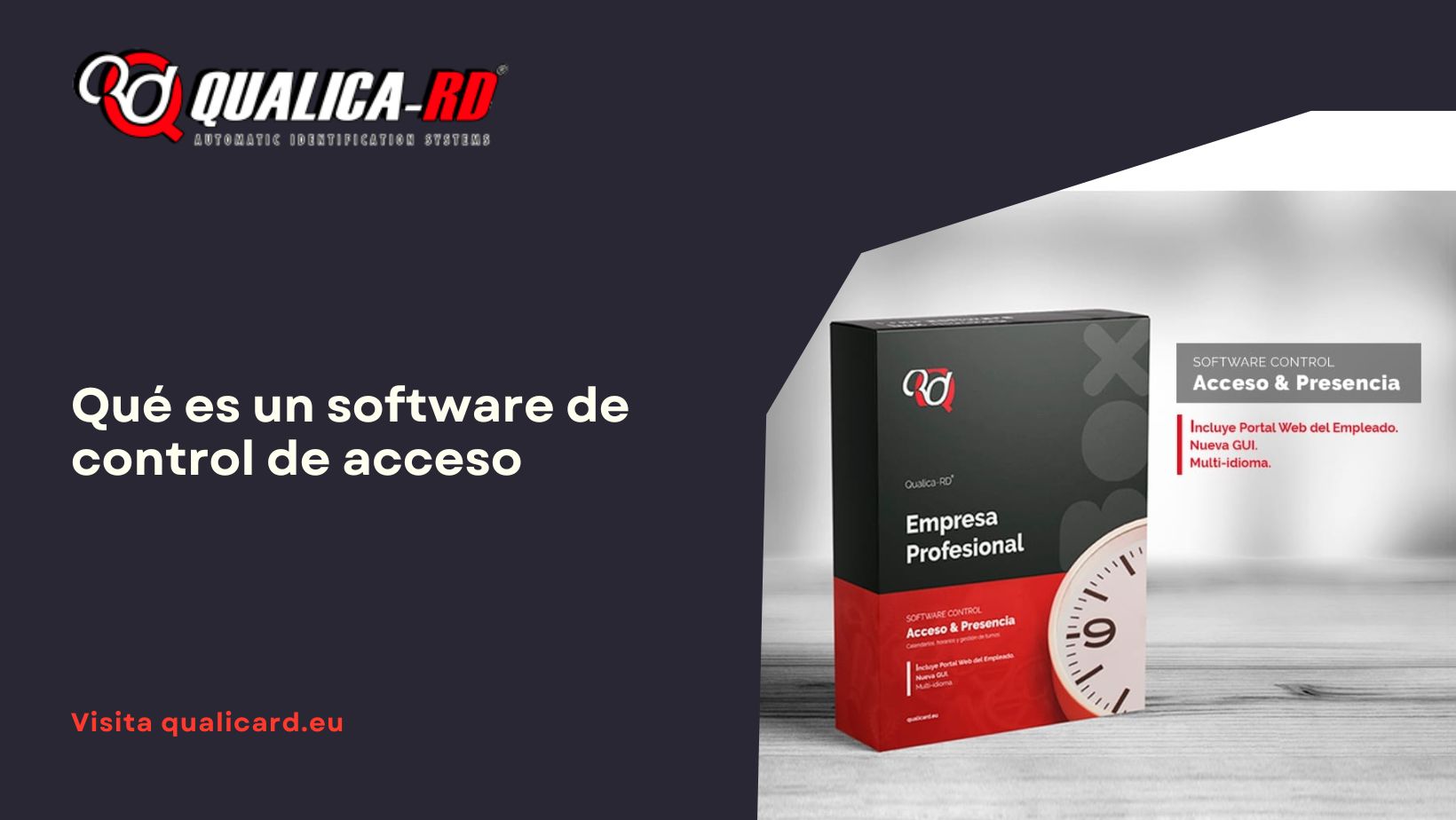
What is access control software: Complete Guide
July 1, 2024
What is access control software
In today’s world, security has become an essential aspect for companies, organizations, and entities of all kinds. This is why access control plays a crucial role in the protection of assets and people. Access control software, also known as ACS (Access Control Systems), are technological tools designed to manage who is allowed access to certain areas and at what times.
These systems offer a wide range of functionalities that range from ease of integration and configuration to the generation of reports and real-time monitoring. Thanks to their versatility and adaptability, access control software has become a key element in ensuring security in different environments.
Main Features of Access Control Software
Within the field of security and access management, it is essential to understand the main features of access control software in order to fully leverage its benefits. These systems stand out for their ability to provide ease of integration and configuration, making them highly adaptable tools for different environments and needs.
Moreover, access control software offers the ability to generate real-time reports and monitoring, which facilitates decision-making based on concrete and updated data. This functionality is essential for optimizing security and efficiency in access management in any type of installation.
Ease of Integration and Configuration
One of the main advantages offered by access control software is its ease of integration and configuration. These systems are designed to adapt to the specific needs of each environment, allowing for agile and efficient implementation without requiring extensive technical knowledge.
Thanks to the ease of integration and configuration, companies can customize access parameters according to their security policies and internal regulations. This ensures precise and detailed control over who can access certain areas, helping to strengthen the protection of assets and people.
Real-Time Reporting and Monitoring
Access control software offers the ability to generate real-time reports and monitoring, which translates into greater efficiency in access management and better decision-making regarding security. These detailed reports allow for a clear and precise visualization of who has accessed certain areas and when, providing a comprehensive view of access activity.
Real-time monitoring is a fundamental functionality for the security of any environment, as it allows for the immediate detection of any anomaly or unauthorized access attempt. This real-time response capability helps to strengthen security protocols and proactively prevent risk situations.
Benefits of Implementing Access Control Software
The implementation of access control software brings a series of significant benefits for security and access management in any type of facility. Among the most notable benefits is the improvement in the security of the facilities, thanks to the ability to control and restrict access to sensitive or critical areas.
Moreover, efficiency and the reduction of operational costs are other key benefits of implementing access control software. By optimizing access management processes and improving effectiveness in asset protection, companies can achieve significant savings in terms of resources and time dedicated to security.
Improvement in Facility Security
One of the main advantages of implementing access control software is the improvement in facility security. These systems allow for the establishment of customized access policies, restrict sensitive areas, and precisely control who can enter certain spaces, which helps to strengthen asset protection and ensure a safe environment for employees and visitors.
The improvement in the security of the facilities translates into greater peace of mind for the company, as it reduces the risk of unauthorized intrusions and minimizes the possibilities of security incidents. By having effective access control, a protective barrier is established that deters potential threats and ensures the integrity of the facilities at all times.
Efficiency and Reduction of Operating Costs
The implementation of access control software brings a series of tangible benefits, including efficiency and reduction of operating costs. By automating access management processes, companies can optimize their resources and minimize expenses associated with physical security, such as hiring additional security personnel.
This efficiency translates into a more effective management of access, reducing the time and effort dedicated to manual tasks. The automation of access processes and the generation of detailed reports allow for faster and more accurate management, resulting in greater operational efficiency and a reduction in the costs associated with security.
Success Stories in Various Industries
Success stories in various industries demonstrate the positive impact that access control software can have on the security and operational efficiency of organizations. Companies from different sectors, such as banking, healthcare, education, and industry, have successfully implemented access control systems to protect their assets and ensure the integrity of their facilities.
These exemplary cases highlight how the adoption of access control technologies has enabled companies to improve their security protocols, reduce incidents of unauthorized access, and optimize their daily operations. Through the implementation of effective access control solutions, organizations have managed to increase their productivity and proactively protect their most valuable resources.
How to Choose the Right Access Control Software
Selecting the right access control software is a fundamental step to ensure security and effectiveness in managing a company’s access. To do this, it is crucial to identify the specific needs of the organization in terms of security, accessibility, and monitoring, as well as to consider factors such as the size of the installation and the number of users who will use the system.
When choosing access control software, it is important to compare the different options available in the market in terms of features, integration capabilities, ease of use, and costs. Conducting a detailed evaluation of the characteristics and benefits of each system will allow the company to make an informed decision and select the solution that best fits its needs and budget.
Identify the Specific Needs of Your Company
To identify the specific needs of your company regarding security and access control, it is essential to conduct a detailed analysis of the internal and external requirements of the organization. This includes evaluating the size of the installation, the number of employees and visitors, access times, sensitive areas that require special protection, and any legal or security regulations that must be complied with.
Moreover, it is important to consider the company’s short and long-term objectives regarding security and access management. Determining whether the goal is to improve operational efficiency, strengthen asset protection, increase control over access, or implement more advanced security measures will influence the choice of the most suitable access control software to meet the specific needs of the company.
Compare Features and Prices
When comparing the features and prices of different access control software, it is important to take into account a number of key aspects that will help make an informed decision. It is essential to evaluate the specific characteristics of each system, such as the ability to integrate with other security devices, the generation of customizable reports, the scalability of the system, and the available customization options.
Moreover, when comparing the prices of different access control software, it is important to consider not only the initial acquisition cost of the system but also the expenses associated with implementation, configuration, maintenance, and updates. Understanding the pricing model of each provider and analyzing how they adapt to the needs and budget of the company will allow for an informed decision regarding the acquisition of the most suitable software.
Frequently Asked Questions When Selecting Software
When selecting access control software, it is common to have a series of frequently asked questions that arise during the evaluation and decision-making process. Some of the most common inquiries include aspects such as the system’s compatibility with existing devices in the company, the ease of use of the interface, the availability of technical support and updates, and the scalability of the software in case of future growth.
Other relevant frequently asked questions are often related to the system’s security requirements, the ability to customize configurations, the protection of sensitive data, and backup and recovery measures in case of failures. Clarifying these doubts and obtaining detailed answers from the access control software provider is essential for making an informed and satisfactory decision for the company.
Conclusion: Why is Good Access Control Software Essential?
In conclusion, the importance of having good access control software lies in asset protection, facility security, and efficient access management. These technological tools enable companies to establish customized security policies, accurately control who can access certain areas, and generate detailed reports for effective real-time monitoring.
A good access control software not only contributes to improving security but also drives operational efficiency by automating processes, reducing operational costs, and optimizing resources allocated to asset protection. The implementation of these technological solutions not only strengthens the company’s protection but also provides peace of mind and confidence to employees, visitors, and clients by ensuring a safe and controlled environment.
Share
Related News




Fingerprint vs Facial Recognition vs Palm: Which Biometric…
The B2B buyer’s dilemma You have to implement an access control or…
Go to Post
Biometric Access Control and GDPR: 2026 Regulatory Compliance…
Is it legal to use fingerprint or facial recognition to clock in…
Go to Post
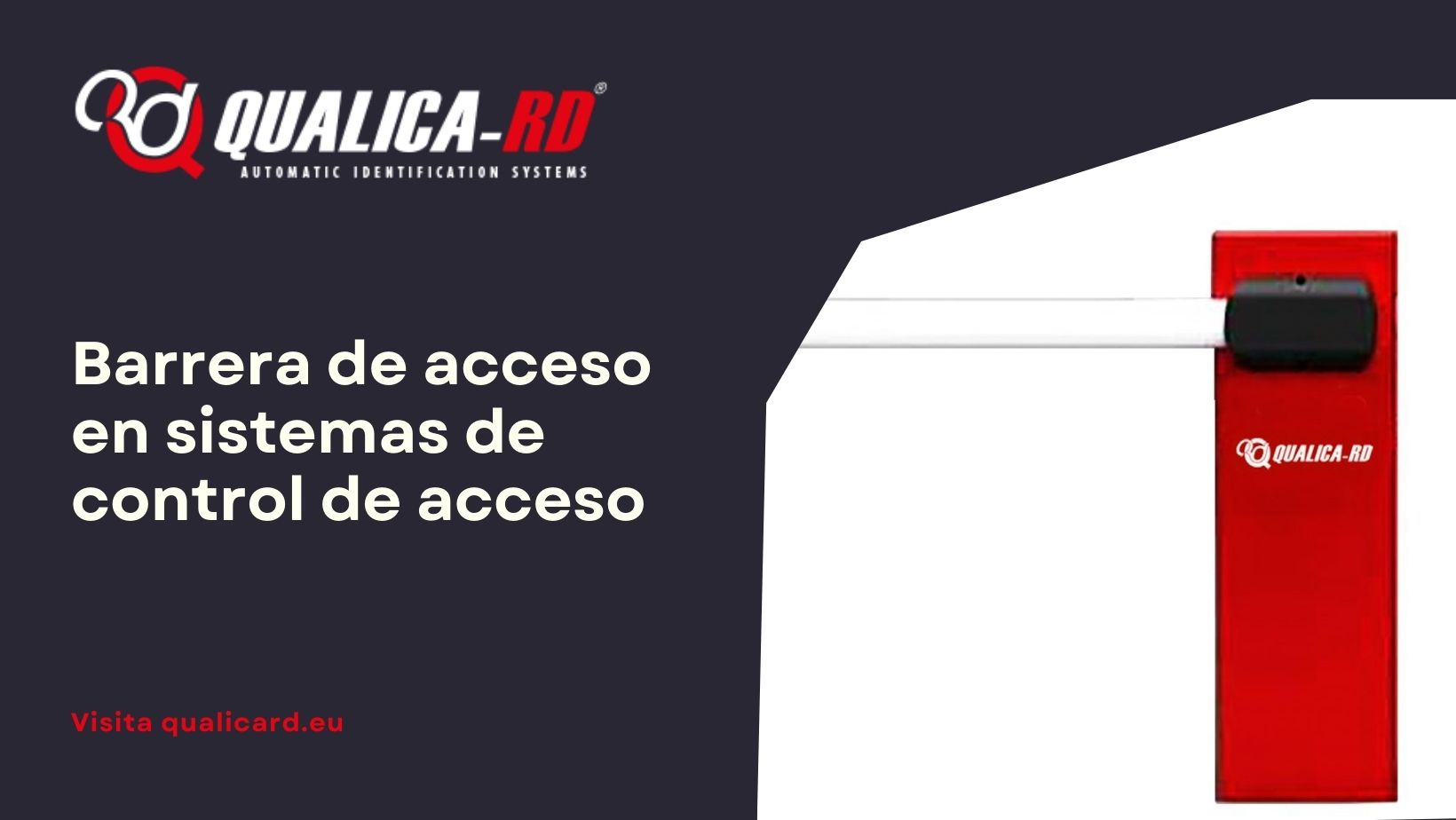
Access barrier in access control systems
La barrera de acceso en sistemas de control de acceso es uno…
Go to Post