
Business Hours: Monday to Thursday: 7:00 AM – 3:00 PM (Support until 5:00 PM) | Friday: 7:00 AM – 3:00 PM (Support until 2:30 PM)
(+34) 957 326 107
Business Hours: Monday to Thursday: 7:00 AM – 3:00 PM (Support until 5:00 PM) | Friday: 7:00 AM – 3:00 PM (Support until 2:30 PM)
Copyright © 2025 Qualicard. All Rights Reserved.


Technical Support
Virtual Terminals: The New Frontier in Access Control
October 16, 2024
Virtual Terminals: The New Frontier in Access Control
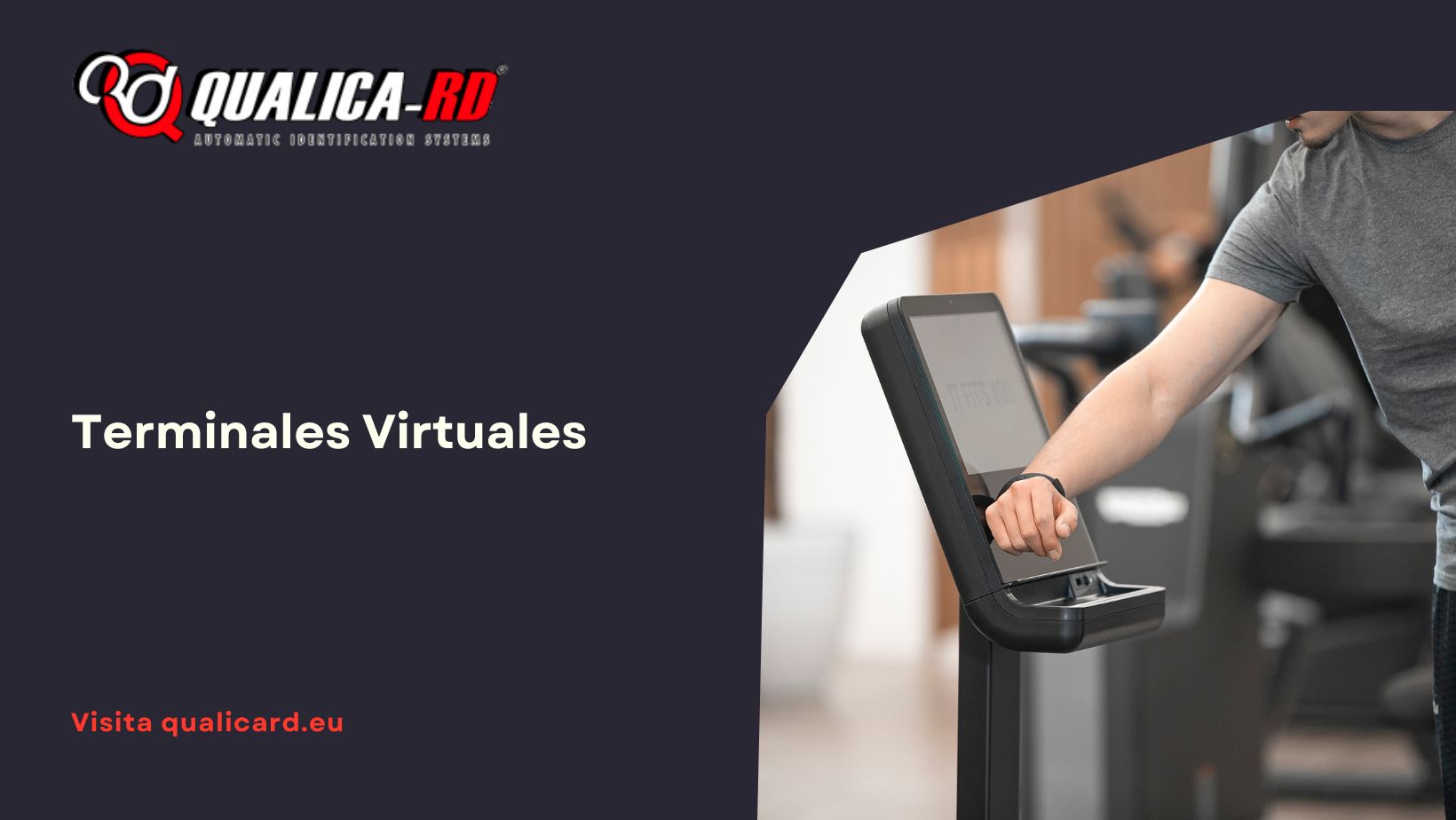
Currently, the use of virtual terminals is gaining popularity in the field of attendance control, offering innovative and efficient solutions for companies. The ability to manage access remotely and flexibly is transforming how organizations manage security in their facilities. In this article, we will explore what virtual terminals are, their advantages and disadvantages, and how they work, so you can understand their importance in the modern business environment.
What are Virtual Terminals?
Virtual terminals are digital tools that allow the management and control of access to physical spaces without the need for physical devices at their installation. This technology uses advanced software and internet connectivity to provide a comprehensive access control system, enabling users to manage permissions and access remotely. With their implementation, companies can simplify security management and quickly adapt to various needs.
One of the most notable features of these terminals is their ability to integrate with other enterprise management systems. For example, they can be linked to employee databases and attendance tracking systems, providing more effective control and a clear view of the flow of people in the facilities. This type of integration not only enhances security but also optimizes daily operations by allowing centralized management of information.
Flexibility is another key benefit of virtual terminals. Organizations can instantly adjust access levels and permissions, facilitating the inclusion of new users or the modification of rights in real time. This is especially useful in companies where personnel dynamics change frequently, as is the case in collaborative work sectors or temporary projects. In these environments, the adaptability of access systems is essential for maintaining a smooth and secure operation.
Advantages of Virtual Terminals
The main advantage of virtual terminals is their ability to provide significantly more flexible access control. By eliminating the need for physical hardware, companies can adjust and manage permissions remotely and in real time. This allows administrators to respond quickly to changes in the employee roster, which is crucial in dynamic work environments where people frequently enter and exit.
Cost reduction is also highlighted as an important factor. The implementation of virtual terminals eliminates the need for high initial investments in traditional access control systems, which often require the installation of expensive hardware. Monthly operating costs are also usually lower, as the management and maintenance of these virtual systems are simpler and require fewer technical resources for their administration.
On the other hand, the aspect of security is enhanced with these digital solutions. The virtual terminals allow the use of encryption and advanced authentication technology, ensuring that only authorized personnel have access to sensitive areas. This not only helps mitigate the risk of unauthorized access but also generates a detailed record of who enters and exits, which is crucial for audits and for improving the overall security of the facilities.
Flexibility and Accessibility
The technology of virtual terminals allows companies to enjoy unprecedented flexibility in managing their access systems. Being digital, these terminals can be easily configured and adapted to the specific needs of each organization, without the physical limitations imposed by traditional devices. This means that companies can modify permissions and access at any time and from anywhere, facilitating a more agile and efficient management.
Accessibility is enhanced by the ability for administrators to manage the system through mobile devices or computers, providing notable convenience. Users can verify who has access to the facilities in real-time, receive notifications about access attempts, or modify settings from their smartphones. This remote management capability ensures that decisions can be made quickly, which is vital in emergency situations or unexpected changes in staffing.
The intuitive design of many virtual terminal platforms also contributes to their accessibility. No deep technical knowledge is required to set up or use these systems, allowing any trained employee to get involved in access management. This democratizes control, enabling different areas of the company to take an active part in security management, thus adapting to changes in a more informed and collaborative manner.
Reduced Costs
Implementing virtual terminals in an access control system is often a more cost-effective option compared to traditional alternatives. Initial costs decrease significantly by avoiding the need to acquire physical hardware, such as electronic locks or card readers. This savings allows organizations to reinvest those resources in other critical areas, improving their overall efficiency.
Maintenance also translates into a lower cost. Virtual systems require less technical intervention, as they leverage cloud platforms that are automatically updated and often come with remote technical support. This approach not only minimizes downtime but also reduces the reliance on specialized personnel to carry out repairs or adjustments, which can be costly and complicated in physical systems.
Considering long-term expenses, the economic benefits become even more evident. The centralized management offered by these terminals allows for more precise data monitoring and analysis, facilitating informed decision-making regarding access control. Thus, organizations can identify usage patterns and areas where security can be optimized without incurring additional costs, achieving a perfect balance between investment and return.
Disadvantages of Virtual Terminals
One of the most common concerns regarding virtual terminals lies in their dependence on internet connectivity. Without a proper connection, access may be compromised, which could lead to problems at critical moments when entry to a facility is required. This vulnerability becomes a risk, especially for those companies operating in areas with unstable or limited network infrastructure.
Cybersecurity also deserves attention, as virtual terminals are exposed to potential cyber attacks. Although most systems implement robust encryption and authentication measures, there is always the risk that hackers may attempt to access sensitive information. Therefore, it is essential for organizations to keep their systems updated and follow recommended security practices to mitigate these threats.
Another aspect to consider is the training cost for personnel. Although virtual terminals may be more economical in terms of hardware, staff must familiarize themselves with new systems and procedures. This can generate an adaptation period that, if not managed properly, could affect operational efficiency during a transition period. Investment in training is a vital aspect that should not be underestimated.
Dependence on Connectivity
The operability of virtual terminals is directly affected by the quality of the internet connection. Unstable or interrupted access can cause access control systems to fail, hindering entry to restricted areas and causing delays. Such situations can be especially problematic in emergencies, where every second counts and every access must be guaranteed.
On the other hand, the reliance on connectivity poses challenges for organizations located in rural areas or areas with limited technological infrastructure. Companies operating in these environments must consider backup alternatives, such as secondary connections or emergency systems, to ensure that access is not compromised. This reality can increase operational costs and the complexity of the implemented system.
The need for a contingency plan becomes evident when evaluating the potential associated risks. Sometimes, service interruptions can be caused by external factors, such as natural disasters or failures in telecommunications infrastructure. Investing in systems that allow offline operation or hybrid solutions becomes a crucial strategy to mitigate vulnerability in the event of a loss of connection.
How Virtual Terminals Work
The operation of virtual terminals is based on a digital platform that manages access through specialized software. This system allows administrators to define permissions and access in a centralized manner, using an intuitive interface that can be navigated from any device with an internet connection. The technology behind these systems includes components such as data encryption and advanced security protocols, which ensure the protection of information during transactions.
When a user attempts to access a restricted area, the virtual terminal verifies their identity through various authentication methods, which may include passwords, temporary access codes, or even biometrics. Once the identity is validated, the system issues a signal that allows access, recording the transaction for later analysis. This traceability capability is essential for security management, as it provides a detailed history of entries and exits.
The ease of integration with other management systems is another key feature that enhances the operation of virtual turnstiles. For example, they can connect with personnel management solutions or human resources systems, allowing for the automatic updating of access data based on changes in the workforce. This synergy improves operational efficiency and facilitates adaptation to new circumstances, such as the incorporation of new employees or the restructuring of permissions.
Virtual Turnstiles vs Physical Turnstiles: A Comparison
When comparing virtual turnstiles with physical ones, significant differences arise in terms of flexibility and costs. Virtual systems allow for rapid and efficient changes in access configuration, adapting to the changing needs of organizations. On the other hand, physical turnstiles often require longer and more costly processes to make adjustments, as they involve hardware manipulation and may require the intervention of specialized technicians.
Security also plays a crucial role in this comparison. Physical terminals, while providing solid control, are susceptible to physical vulnerabilities, such as theft or vandalism. On the other hand, virtual terminals integrate encryption technologies and advanced authentication that reduce the risk of unauthorized access, although they must face cyber threats and computer attacks. This aspect is fundamental for companies that handle sensitive information and seek a system that balances security with usability.
In terms of operational costs, virtual terminals tend to be more economical in the long run. By eliminating the need for hardware maintenance and reducing the time and resources dedicated to access management, companies can focus those resources on crucial areas of the business. While physical terminals generate constant expenses for spare parts, installations, and repairs, virtual systems tend to simplify these aspects, facilitating a more efficient and cost-effective administration.
Conclusion
The evolution of virtual terminals has redefined the landscape of access control in modern organizations. The incorporation of digital technologies allows for more effective and flexible management of access to facilities, which is especially valuable in a constantly changing environment. The ability to adapt quickly and ease of access are characteristics that provide companies with a competitive advantage in managing their security.
When analyzing the advantages and disadvantages, it becomes evident that virtual options offer multiple benefits where cost reduction and improved security are paramount. However, it is also essential to consider the challenges that may arise, such as dependence on connectivity and cybersecurity risks. As organizations implement these systems, attention to digital security becomes a fundamental requirement to safeguard information and maintain trust in the system.
The decision to choose between virtual or physical terminals will depend on the specific needs of each company, as well as its ability to manage security and long-term costs. With the increasing digitalization of business processes, virtual terminals may represent a solution more aligned with the future of access management. Investing in this technology will not only facilitate daily operations but will also position organizations as leaders in security and adaptability.
Share
Related News




Fingerprint vs Facial Recognition vs Palm: Which Biometric…
The B2B buyer’s dilemma You have to implement an access control or…
Go to Post

Biometric Access Control and GDPR: 2026 Regulatory Compliance…
Is it legal to use fingerprint or facial recognition to clock in…
Go to Post

Access barrier in access control systems
La barrera de acceso en sistemas de control de acceso es uno…
Go to Post