
Business Hours: Monday to Thursday: 7:00 AM – 3:00 PM (Support until 5:00 PM) | Friday: 7:00 AM – 3:00 PM (Support until 2:30 PM)
(+34) 957 326 107
Business Hours: Monday to Thursday: 7:00 AM – 3:00 PM (Support until 5:00 PM) | Friday: 7:00 AM – 3:00 PM (Support until 2:30 PM)
Copyright © 2025 Qualicard. All Rights Reserved.


Technical Support
Parking Barrier: Efficient Solutions for Access Control
August 8, 2024
Parking Barrier: Efficient Solutions for Access Control
Parking Barriers
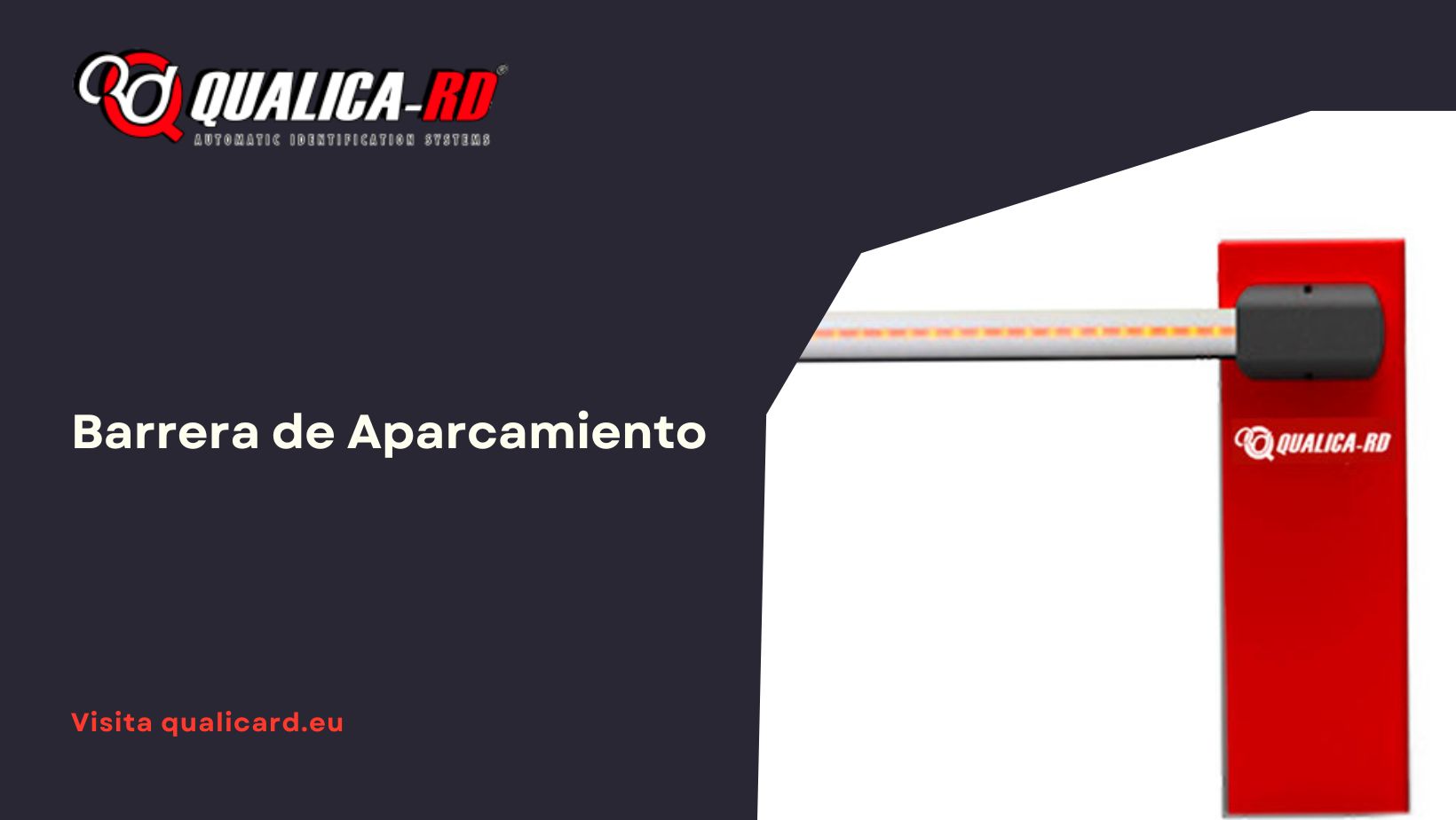
Parking barriers are fundamental elements in the access control system for parking, as they allow for the regulation of vehicle flow and ensure safety in these areas. These barriers can be automatic, manual, or semi-automatic, adapting to the specific needs of each location.
By implementing an automatic parking barrier, it significantly contributes to improving parking management, preventing unauthorized access and facilitating the efficient flow of vehicles. With modern technologies, these barriers integrate optimally with access control systems, providing a complete and effective solution.
The installation of security barriers for parking lots not only ensures the protection of users and vehicles but also provides greater organization and control in the space. Factors such as construction material, durability, and integration with other access control systems are essential when selecting the most suitable barrier for each environment.
In summary, parking barriers play a key role in security and access control in parking areas, offering advantages both in internal management and in user experience. Their correct installation and proper maintenance are crucial aspects to ensure their long-term effectiveness.
Main Types of Parking Barriers
Parking barriers come in different modalities to adapt to the specific needs of each environment. Among the main types of parking barriers are automatic parking barriers, which allow for efficient control of vehicle access through automated opening and closing systems.
On the other hand, manual and semi-automatic barriers offer more flexible options, allowing for manual management in particular cases or a combination of technology and manual operation. These modalities are ideal for environments where greater interaction with users is required or an adaptation to specific situations.
In choosing the appropriate type of parking barrier, it is essential to consider factors such as usage frequency, the required level of security, and ease of integration with other access control systems. Each type of barrier presents advantages and specific characteristics that can influence the effectiveness of the parking control system.
Automatic Parking Barriers
Automatic parking barriers are an efficient and secure option for controlling vehicle access in parking lots. This type of barrier is characterized by its automated operation, which allows for agile and precise management of traffic flow, ensuring the safety of the area.
With modern technologies, automatic parking barriers offer advanced functionalities such as license plate reading, remote control, and integrated intercom system. These features enable efficient operation and a quick response to emergency situations or access control.
The installation of automatic barriers in parking lots helps to optimize the available space, preventing unauthorized parking and facilitating the management of the area. Thanks to their robust and durable design, these barriers provide a reliable and effective solution for access control in parking areas.
Manual and Semi-Automatic Barriers
Manual and semi-automatic barriers offer a flexible alternative for access control in parking lots. These types of barriers allow for a more personalized management of vehicle flow, providing the possibility of manual operation or combined with automated systems.
Manual barriers are ideal for environments where direct interaction with users is required, allowing for more precise control in specific situations. On the other hand, semi-automatic barriers offer the versatility of a partially automated operation, facilitating traffic management efficiently.
With features that adapt to various scenarios, manual and semi-automatic barriers are a suitable option for those spaces that require personalized and effective access control. Their robust and durable design ensures optimal operation in different conditions and parking environments.
Advantages of Installing a Parking Barrier
The installation of a parking barrier brings a series of significant advantages both in terms of security and access management in parking lots. One of the main advantages is the improvement in the security of the area, as it prevents unauthorized vehicle access and helps maintain a controlled and protected environment.
Another important advantage of installing a parking barrier is the optimization of vehicle flow within the parking lot. By efficiently regulating the entry and exit of cars, congestion is reduced and circulation is streamlined, improving the user experience and preventing potential blockages or accidents.
Moreover, automatic parking barriers offer the possibility of integrating with other access control systems and technologies, which facilitates the centralized management and supervision of parking. This integration improves operational efficiency and allows for more effective management of access and security on-site.
Improving Security in Parking
The implementation of measures to enhance security in parking is essential to ensure the protection of users and vehicles. One of the most effective strategies is the installation of security barriers for parking, which act as a deterrent against unauthorized intrusions and prevent potential thefts or damages.
By incorporating automatic parking barriers, a more rigorous access control is established and the risk of unwanted incidents in the area is reduced. These barriers provide an additional layer of protection by preventing the entry of unauthorized vehicles, deterring potential intruders and ensuring the privacy and security of users.
The presence of automatic parking barriers not only strengthens the security of the parking lot but also enhances users’ perception of safety. Knowing that access is restricted and controlled, visitors feel more at ease and confident leaving their vehicles in the area, which contributes to the overall satisfaction of the parking experience.
Vehicle Flow Optimization
The optimization of vehicle flow in a parking lot is essential for maintaining smooth and efficient circulation within the area. The installation of automatic parking barriers significantly contributes to this goal by precisely regulating the entry and exit of cars, avoiding congestion and minimizing waiting times.
By implementing advanced technologies in parking barriers, a more dynamic and coordinated management of vehicle access is achieved, allowing for an equitable distribution of space and optimal use of available parking spaces. This optimization of vehicle flow not only enhances the user experience but also promotes the operational efficiency of the parking facility as a whole.
Automatic parking barriers not only streamline vehicle traffic but also contribute to safety by preventing blocking or congestion situations that could lead to accidents. By ensuring a continuous and orderly flow of cars, the possibility of collisions is reduced, creating a safer and more organized environment for drivers and pedestrians.
Examples of Modern Technologies in Barriers
Technological advancements have revolutionized the parking barriers sector, offering a wide range of innovative solutions to enhance safety and efficiency in access control. Examples of modern technologies in barriers include license plate recognition systems, which allow for the automatic identification of authorized vehicles and expedite the entry and exit process.
Another highlighted technology in parking barriers is the integration of proximity sensors and surveillance cameras, which enhance the accuracy and real-time monitoring of vehicle flow. These devices allow for continuous supervision and early detection of any anomalies or unwanted intrusions, strengthening security in the parking lot.
Moreover, the incorporation of remote control systems and wireless connectivity in automatic parking barriers has facilitated remote management and programming of access, providing greater convenience and flexibility for both operators and users. These modern technologies optimize the operation and maintenance of the barriers, ensuring effective and adaptive functionality to the needs of the environment.
Factors to Consider When Selecting a Parking Barrier
When selecting a parking barrier for a specific environment, it is crucial to take into account a series of factors that ensure its effectiveness and adaptability. One of the fundamental aspects to consider is the construction material of the barrier, which must be durable and resistant to weather conditions and daily wear.
Another important factor is the integration of the barrier with other access control systems present at the site, allowing for effective coordination and centralized management of access. Compatibility and interoperability with existing technologies are key to ensuring smooth operation and comprehensive security.
Moreover, it is essential to evaluate the level of automation and the specific functionalities required in the turnstile, such as the opening and closing speed, vehicle detection methods, and remote control options. These elements will determine the operational efficiency and ease of use of the turnstile in day-to-day operations.
Material and Durability
The construction material of a parking barrier is a determining factor for its durability and resistance to environmental conditions. Choosing high-quality and robust materials ensures a long lifespan for the barrier, reducing the need for frequent maintenance and ensuring its optimal functioning over time.
The durability of the barrier is essential for its effectiveness in protection and access control in a parking lot. By choosing a material resistant to corrosion, impact, and prolonged exposure to sun and rain, it ensures that the barrier maintains its structural and operational integrity, even in the face of the most adverse conditions.
Moreover, the durability of the material directly influences the security of the barrier and the users, as a robust and well-constructed barrier provides reliable protection against unauthorized intrusions and unexpected accidents. The careful selection of the material and attention to its durability are crucial aspects when installing a parking barrier to ensure its long-term effectiveness.
Integration with Access Control Systems
The integration with access control systems is a fundamental aspect when selecting a parking barrier, as it allows for coordinated and efficient management of access in a parking environment. The barrier’s ability to connect and communicate with other access control devices, such as card readers or facial recognition systems, is crucial to ensure comprehensive and secure control of vehicle flow.
By integrating the barrier with existing access control systems on site, centralized monitoring and the implementation of customized security policies are facilitated. The interoperability between the different access control elements ensures a coordinated and coherent response to any eventuality, improving the effectiveness and speed of access management.
Moreover, the integration of the parking barrier with access control systems allows for more precise automation and scheduling of access, adapting to the specific needs of the environment and users. This synchronization between the barrier and access control systems contributes to a safer, more efficient, and more comfortable parking experience for all involved.
Installation and Maintenance
The correct installation of a parking barrier is crucial to ensure its optimal functioning and effectiveness in access control. It is essential to follow the manufacturer’s instructions and have specialized personnel to carry out the installation accurately and safely, avoiding possible errors that could compromise the operability of the barrier.
Moreover, a regular maintenance plan is essential to ensure that the parking barrier is in optimal condition at all times. Preventive maintenance, which includes periodic inspection of components, lubrication of moving parts, and cleaning of sensors, extends the lifespan of the barrier and prevents potential breakdowns or failures.
The proper installation and maintenance of a parking barrier are key to ensuring its reliability and continuous performance in access control. Taking into account the recommended installation procedures and following a regular maintenance plan are essential practices to maximize the efficiency and security of the barrier over time.
Installation Process
The installation process of a parking barrier is a crucial step to ensure its proper functioning and effectiveness in access control. Initially, a detailed planning must be carried out that includes the exact location of the barrier, the preparation of the ground, and the connection to the necessary electrical power supply.
Once the logistical aspects are defined, the physical installation of the barrier is carried out following the manufacturer’s instructions and adhering to the relevant safety regulations. It is essential to verify that the components are properly assembled and calibrated, and that the barrier is securely fixed to the ground to ensure its stability and resistance.
Finally, the configuration and commissioning of the barrier is carried out, checking its proper functioning and conducting both manual and automatic tests. During this process, the operating parameters are adjusted according to the specific needs of the location, and it is verified that all access control systems are integrated and functioning correctly.
Recommended Maintenance Plans
The recommended maintenance plans for parking barriers are essential to ensure their optimal functioning and prolong their lifespan. These plans typically include periodic activities such as visual inspection of the barrier, lubrication of moving components, cleaning of sensors, and adjustment of operating parameters, among others.
Regular preventive maintenance helps identify and correct potential issues before they become serious failures, thus reducing downtime and repair costs. By following an appropriate maintenance plan, optimal performance of the turnstile is ensured and undesirable situations that may affect the security of the parking area are prevented.
In addition, the recommended maintenance plans usually include checking the structural integrity of the barrier, updating software if necessary, and conducting functionality tests to ensure that all systems operate correctly. These periodic maintenance practices are essential to keep the barrier in optimal conditions and guarantee its effectiveness in access control over time.
Share
Related News




Fingerprint vs Facial Recognition vs Palm: Which Biometric…
The B2B buyer’s dilemma You have to implement an access control or…
Go to Post
Biometric Access Control and GDPR: 2026 Regulatory Compliance…
Is it legal to use fingerprint or facial recognition to clock in…
Go to Post
Access barrier in access control systems
La barrera de acceso en sistemas de control de acceso es uno…
Go to Post