
Business Hours: Monday to Thursday: 7:00 AM – 3:00 PM (Support until 5:00 PM) | Friday: 7:00 AM – 3:00 PM (Support until 2:30 PM)
(+34) 957 326 107
Business Hours: Monday to Thursday: 7:00 AM – 3:00 PM (Support until 5:00 PM) | Friday: 7:00 AM – 3:00 PM (Support until 2:30 PM)
Copyright © 2025 Qualicard. All Rights Reserved.


Technical Support
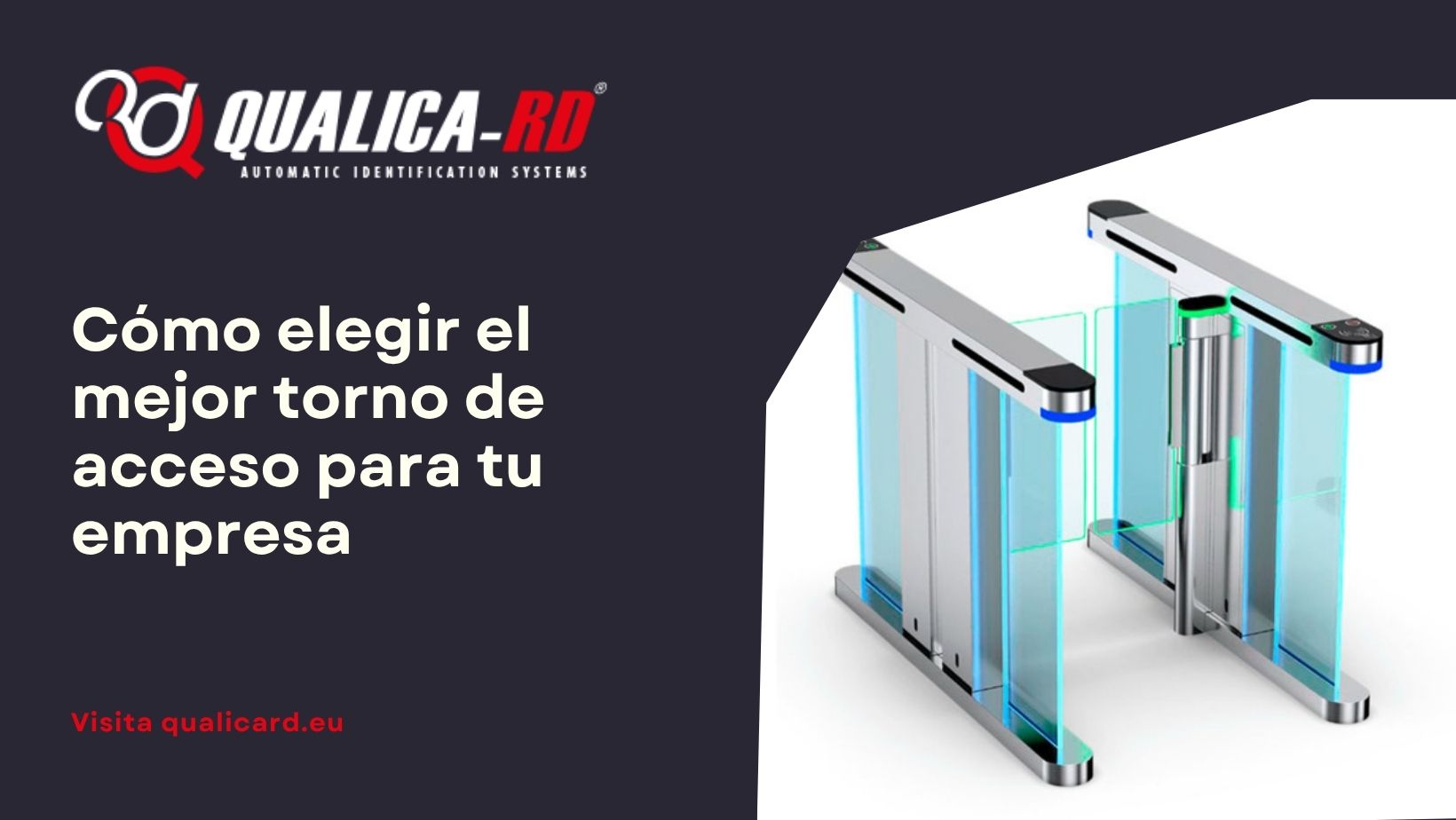
How to choose the best turnstile for your company
June 3, 2025
Choosing the right access turnstile is a strategic decision that directly impacts operational efficiency, physical security, and user experience in any business environment. These devices not only regulate the entry and exit of people but also act as a preventive barrier against unauthorized access, optimizing access management and allowing for a more rigorous and automated control of entry flows.
With the growing need to protect assets, data, and people, turnstiles have become an indispensable tool in corporate offices, industrial plants, educational centers, sports facilities, and public buildings. The right choice will depend on factors such as traffic volume, the level of security required, architectural conditions, and available technology.
{“origen”:”es”,”destino”:”en”,”texto”:”In this comprehensive guide, we explain step by step how to choose the best access turnstile for your company, analyzing the different types available, their functionalities, comparative advantages, and key recommendations to make an informed decision that ensures a safer and more efficient environment.
What is an access turnstile?
An access turnstile is an electromechanical system composed of a physical barrier (arms or doors) electronically controlled to allow or prevent the passage of people after their identification via RFID card, biometrics, QR, or proximity reader. Its function is essential in corporate, industrial, and restricted access buildings.
Main types of access turnstiles
- Fixed arm tripods: three rotating arms. Compact, economical, and suitable for basic flow control.
- Half-height turnstiles (motorized lanes): include folding doors for a smoother and more aesthetic flow.
- Full-height turnstiles: structurally secure, prevent physical intrusions.
- Motorized gates: allow access for people with reduced mobility, carts, and goods.
- Speed lanes: designed for high-capacity environments with great speed and advanced technology.
Key factors for choosing the ideal turnstile
Level of physical security
Defines how critical access control is. For high security, opt for full-height turnstiles; for corporate environments, tripods or half-height lanes offer balanced protection.
Flow of people and capacity management
The volume of users determines the type of turnstile:
- High flow: airports, mass events → lane or speed turnstiles.
- Medium flow: offices, gyms → tripods or half-height.
- Low flow: restricted areas → certified turnstiles.
Additionally, look for features such as automatic capacity control and anti-passback and anti-tailgating locks.
Technological integrations
Check compatibility with:
- RFID, biometrics, facial recognition, or QR.
- Video surveillance and alarm systems.
- Access control and elevator software.
Connectivity ensures a smooth and secure experience.
Cost savings and ROI
Evaluate not only the initial cost but also installation, maintenance, energy, and durability (stainless steel, tempered glass).
Design and accessibility
Choose turnstiles that integrate with the aesthetics of the environment. Motorized lanes and gates are ideal for corporate or luxury spaces. Ensure to include accessible options for people with reduced mobility.
Comparative table of recommended turnstiles
| Type of turnstile | Security | Flow | Accessibility | Advantages | Ideal for… |
|---|---|---|---|---|---|
| Tripod | Medium | Medium | Low | Compact, economical | Offices, gyms |
| Half-height | Medium-high | Medium-high | Medium | Aesthetic, fluid | Corporate buildings, museums |
| Turnstile | High | Low-medium | Low | Very secure | Production plants, outdoors |
| Motorized gate | Medium-high | Medium | High | Accessible, versatile | People with reduced mobility, carts |
| Speed lane | High | High | Medium | Fast, technological | Airports, stadiums |
Practical tips
- Conduct a traffic study estimating the number of accesses during peak hours.
- Define the level of security necessary for your company.
- Check local regulations (emergency exits, evacuation).
- Pilot biometric control to ensure comfort and security.
- Ensure future adaptability (new technologies or expansions).
- Request technical advice from the provider on integration with ERP or existing systems.
- Review the provider’s references: experience, maintenance, support.
Conclusion
Choosing the best access turnstile for your company involves analyzing physical security, traffic volume, budget, design, and technological integration. Selecting the right solution optimizes access management, reduces risks, streamlines flows, and strengthens the corporate image.”}
Analyze your needs, define priorities, and invest in a scalable and functional long-term system. This way, your company will ensure secure, efficient, and well-managed access.

Frequently asked questions about how to choose the best access turnstile for your company
When selecting the ideal access control system, it is normal to have doubts about functionality, installation, or compatibility. Below, we address the most common concerns to help you make an informed decision.
What type of turnstile is most suitable for a corporate office?
For corporate environments, speed lanes or half-height turnstiles are ideal. They combine elegance, smooth passage, and security, easily integrating with control systems such as RFID or biometrics.
Can I integrate an access turnstile with my current management system?
Yes. Most modern turnstiles allow for integration with access management software, video surveillance, and ERP. It is important to verify the technological compatibility before purchase.
How much maintenance does an access turnstile require?
Maintenance varies depending on the model and usage, but in general, these devices require periodic preventive inspections to ensure optimal operation. Motorized or high-tech models often need greater technical supervision.
Share
Related News



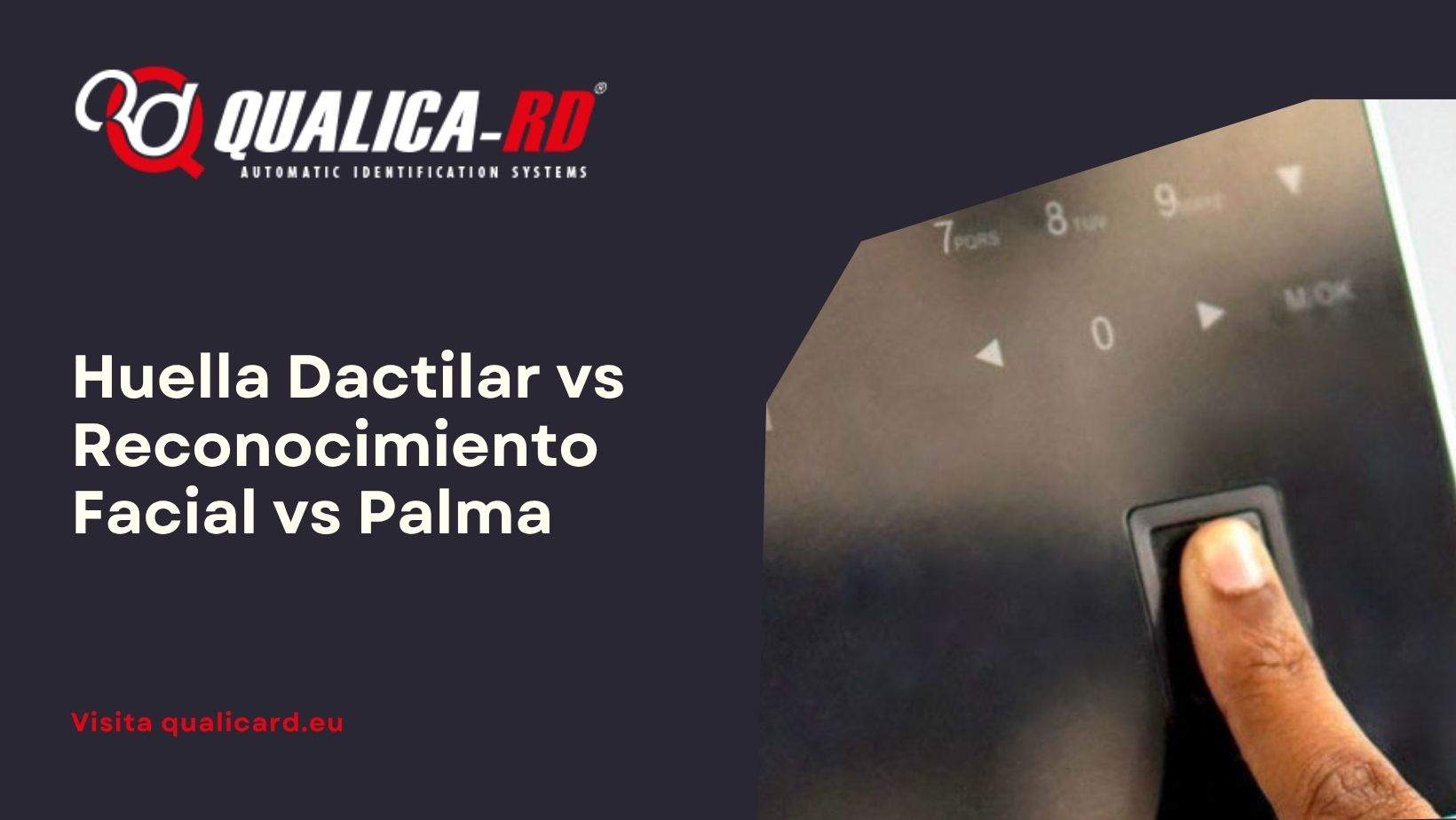
Fingerprint vs Facial Recognition vs Palm: Which Biometric…
The B2B buyer’s dilemma You have to implement an access control or…
Go to Post
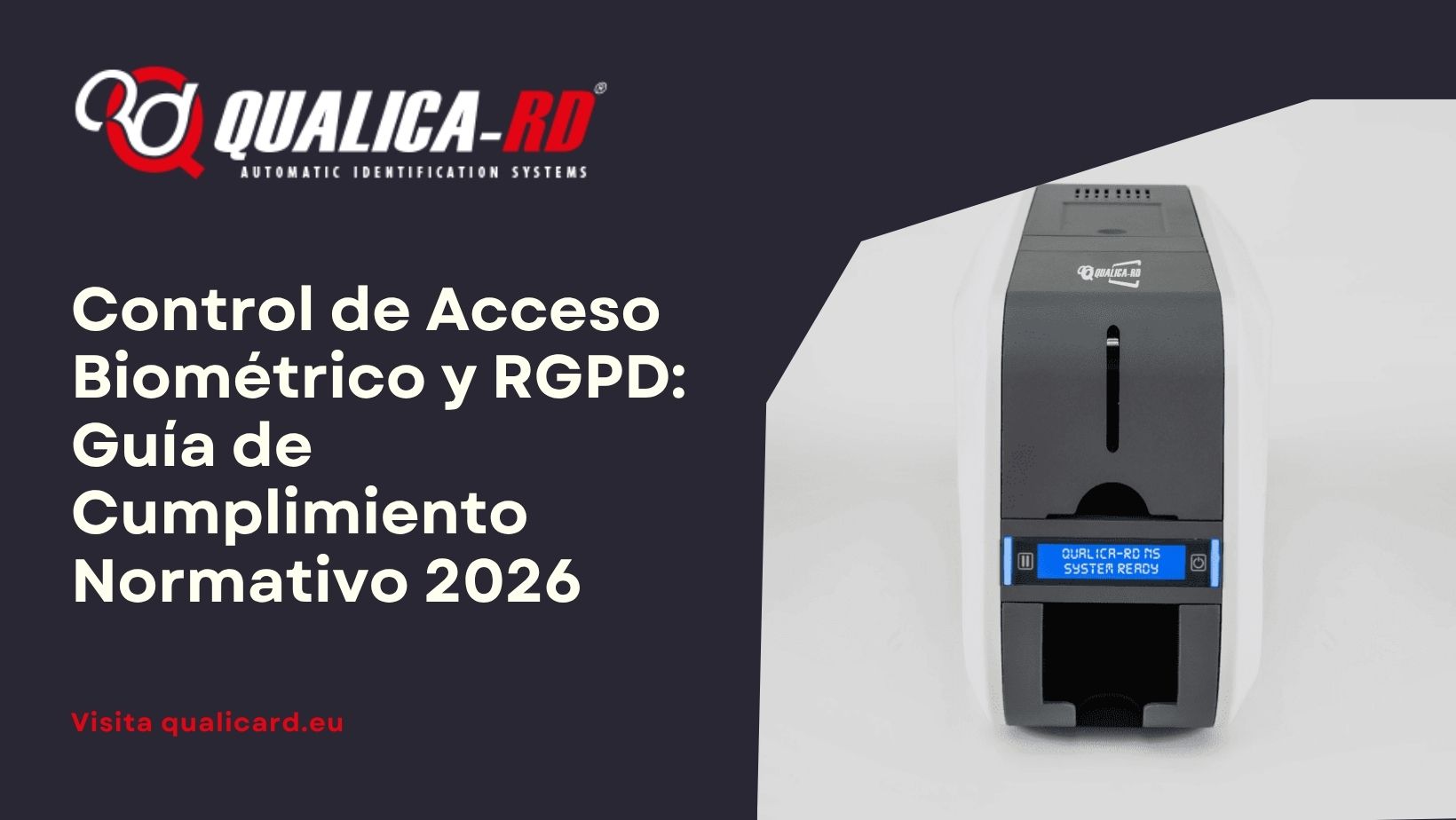
Biometric Access Control and GDPR: 2026 Regulatory Compliance…
Is it legal to use fingerprint or facial recognition to clock in…
Go to Post
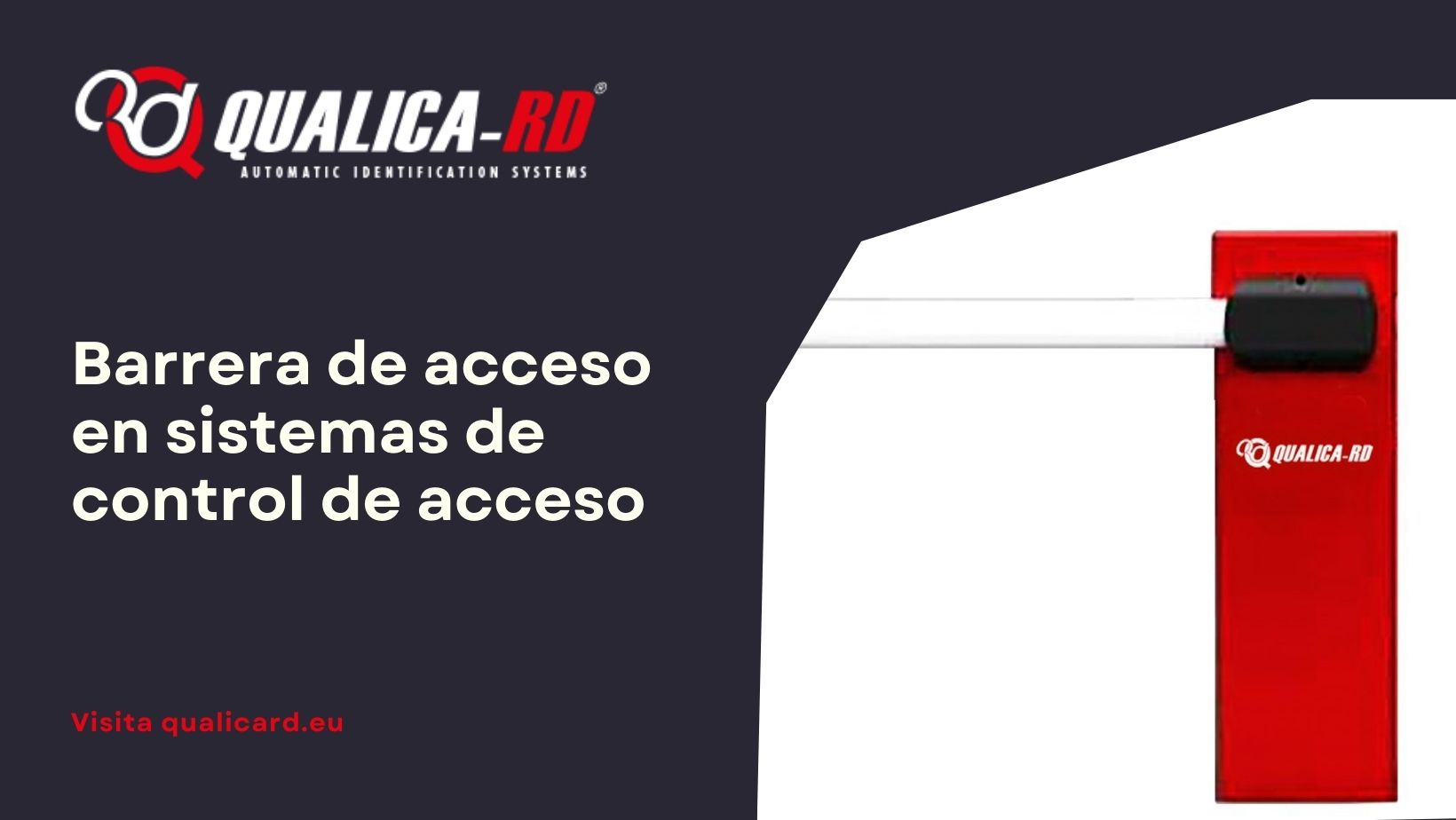
Access barrier in access control systems
La barrera de acceso en sistemas de control de acceso es uno…
Go to Post