
Business Hours: Monday to Thursday: 7:00 AM – 3:00 PM (Support until 5:00 PM) | Friday: 7:00 AM – 3:00 PM (Support until 2:30 PM)
(+34) 957 326 107
Business Hours: Monday to Thursday: 7:00 AM – 3:00 PM (Support until 5:00 PM) | Friday: 7:00 AM – 3:00 PM (Support until 2:30 PM)
Copyright © 2025 Qualicard. All Rights Reserved.


Technical Support
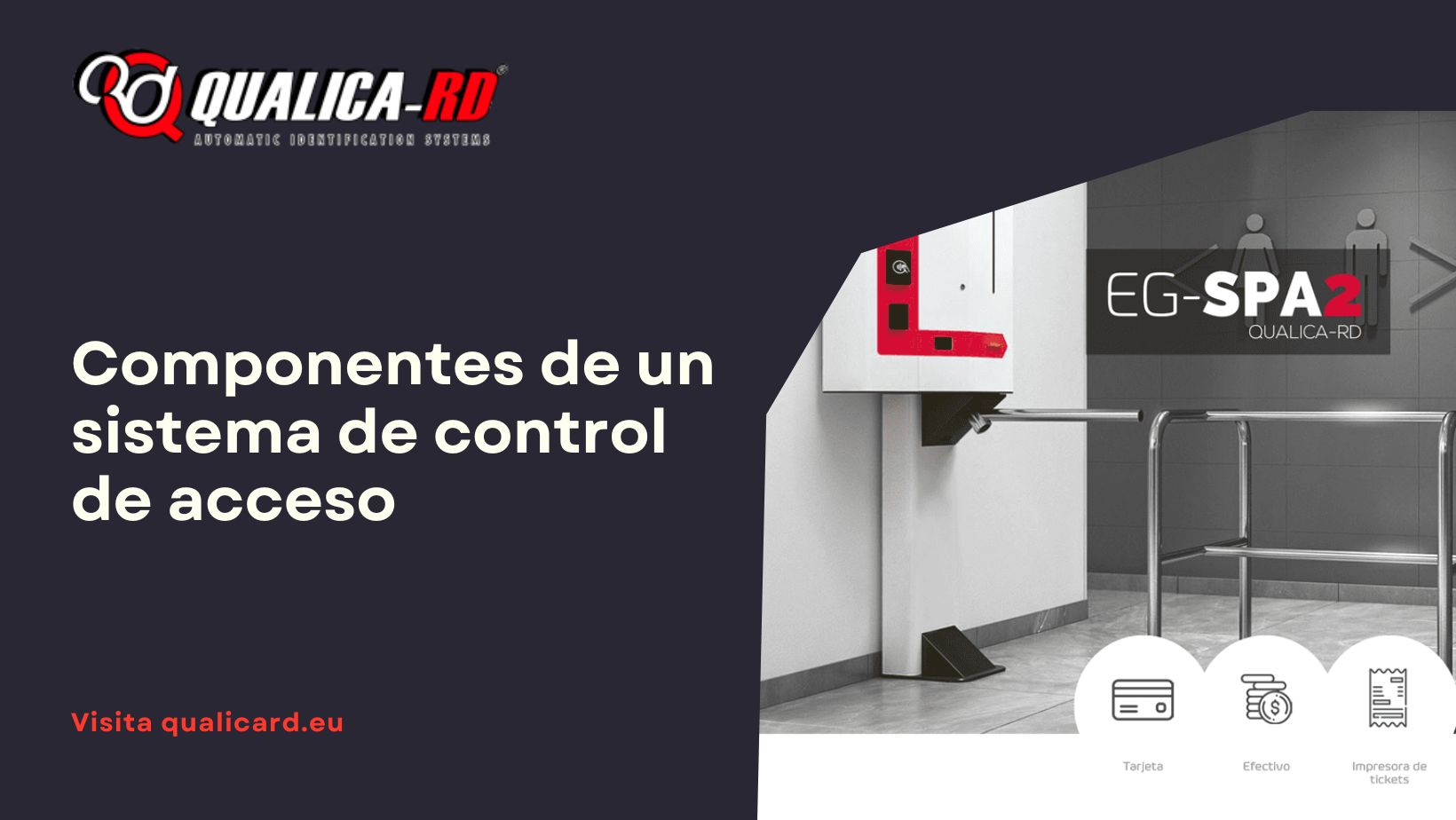
Components of an access control system
April 10, 2024
In an increasingly security-conscious world, understanding the components of an access control system has become a key piece in ensuring peace of mind in both public and private spaces. Through this article, we will explore in detail the elements that make up these systems, from identification and authentication to the physical devices and the software that manages them. Dive with us into this interesting topic and discover how technology serves security.
Components of an access control system
In today’s world, security has become an undeniable priority for both businesses and homes. Introduction to Access Control Systems immerses us in the realm of technological security, where managing and restricting access to specific areas is essential. Access control systems are not just a tool to safeguard physical integrity, but also to protect valuable information and assets within any organization.
Understanding the components of an access control system is the first step in implementing an effective solution that aligns with specific security needs and objectives. From card readers to advanced management software, each component plays a crucial role in building a robust barrier against unauthorized access.
{“origen”:”es”,”destino”:”en”,”texto”:”This article will focus on exploring, in detail, the different components of an access control system, thus providing readers with a comprehensive guide that allows them to better understand how these technologies work together to create secure environments. We are about to embark on an informative journey through the heart of modern security.
Parts of a control system
The access control equipment and associated systems are composed of several key components that work together to efficiently and securely ensure and manage access to physical spaces.
- Physical components: These include doors, locks, and electronic keys or access cards, which are essential parts of physical access control. Doors are the first point of contact and security, while locks can be both mechanical and electronic, enhancing security and allowing for more sophisticated access management.
- Identification devices: Card readers, numeric keypads, and biometric systems are common. These devices read the credentials provided by users, such as access cards or fingerprints, to allow or deny access based on the authorized information stored in the system.
These elements are fundamental to ensuring that only authorized individuals can access restricted areas, thus optimizing security and facility management.
Do you have questions about which access control system is most suitable for your company? Do you need a customized solution that adapts to the particularities of your sector, space, or security level?
At Qualicard, we have a team of experts who will accompany you at every stage of the process, from initial consulting to full implementation. No matter the size of your project, we are here to help you make the best decision with guarantees and total confidence.
“}
{“origen”:”es”,”destino”:”en”,”texto”:”
What are the components of a system
The essential components of an access control system include various elements that work together to ensure the security and efficiency of the system.
- Identifiers and credentials: These are the means by which users are recognized by the system. This may include proximity cards, access codes, fingerprints, or digital credentials through mobile applications. These tools allow only authorized individuals to access restricted areas.
- Readers and input devices: These devices are responsible for reading the credentials presented by users. They can be card readers, numeric keypads, or biometric devices. They are typically installed at access points such as doors or barriers and communicate the information to a server or control panel.
These components are fundamental for the effective operation of any access control system, ensuring that only authorized individuals have entry to specific facilities or areas.
Identification and Authentication: The First Line of Defense
In the complex world of security, Identification and Authentication constitute the first barrier against unauthorized access, representing a critical aspect in access control systems. These components not only determine who is attempting to gain access but also verify if they are truly who they claim to be. Therefore, it is essential to thoroughly understand these mechanisms to ensure the effective protection of our physical and digital spaces.”}
Identification refers to the process by which a user indicates their identity to a system, typically through a username or identification number. Immediately afterward, the Authentication system takes the provided information and verifies it against known credentials, such as passwords, fingerprints, or facial recognition. This procedure ensures that only authorized users can access restricted areas, data, or resources, acting as an irreplaceable first line of defense in the security of an entity.
The current challenge lies not only in implementing systems that perform these tasks efficiently but also in doing so in a way that minimizes the impact on the user experience. The search for a balance between security and ease of use is constant, as a system that is too rigid could hinder operability, while one that is too lax could compromise overall security. In this context, innovations in passwordless authentication and behavioral biometrics are paving the way for more secure and user-friendly systems.
Access cards and readers
Access cards and readers are fundamental elements in any access control system. This security duo acts as the first tangible barrier between restricted areas and unauthorized access. Access cards, whether proximity, magnetic, or smart, serve as the personal key carried by authorized users. On the other hand, readers are the electronic guardians that verify the validity of the presented card before allowing access.
In today’s digital age, the technology behind access cards and readers has evolved significantly. Now, it’s not just about opening a door, but about integrating these components into more complex systems that offer real-time control and monitoring of entries and exits. Furthermore, this combination can be adapted to provide additional functionalities, such as attendance tracking or the activation of specific equipment upon identifying the user.
The selection of the appropriate type of card and reader largely depends on the required level of security and the specific characteristics of each installation. While some organizations may need a high-security system with advanced encryption, others might opt for simpler and more economical solutions. However, regardless of the complexity of the system, the goal is always the same: to ensure that only authorized personnel can access restricted areas.
Biometrics and advanced technologies
The integration of biometrics and advanced technologies has marked a turning point in the field of access control systems. These solutions not only provide an additional layer of security but also offer a smoother and more intuitive user experience. By utilizing unique features such as fingerprints, facial recognition, or iris patterns, biometrics ensures that only authorized individuals can access restricted areas.
Moreover, advanced technologies such as radio frequency identification (RFID) and NFC (Near Field Communication) are becoming essential complements to modern access control systems. These technologies enable contactless authentication, which is ideal in environments that require minimizing physical interaction for hygiene or speed reasons.
The implementation of these technological advances not only enhances security but also offers unprecedented adaptability to different scenarios and access control needs. Thus, shopping centers, offices, and even government facilities find in biometrics and advanced technologies key allies for access management and the security of people and data.
Access Control and Management Devices
The world of security has evolved significantly over time, and a crucial aspect of this evolution lies in the development and implementation of Access Control and Management Devices. These systems not only protect physical areas and information but also ensure that only authorized personnel can access specific places and data. The integration of advanced technologies has transformed the way organizations monitor and control access, thus providing an additional layer of security.
The access control devices range from electronic locks to turnstiles, including more sophisticated systems that feature facial recognition or fingerprint scanning. The selection of the appropriate device depends on multiple factors, including the required security level, the flow of people, and the existing infrastructure. On the other hand, access management has become more complex and integral, encompassing not only physical entry but also access to internal systems and networks, which is fundamental in the digital age.
Adapting to the changing security needs and leveraging technological innovations to enhance access control systems is essential for safeguarding an organization’s most valuable assets. The implementation of effective access management strategies not only protects against unauthorized access but also optimizes the management of personnel and resource flow, thereby improving operational efficiency.
Control panels and servers
Control panels and servers are crucial components in any access control system. They function as the brain of the system, managing and storing all relevant information, from access credentials to entry and exit logs. These devices not only allow for the efficient administration of access permissions but also facilitate real-time monitoring of the facilities, thus ensuring greater security.
The incorporation of advanced technologies in the control panels allows for a more dynamic and flexible management of the system. For example, with cloud-connected servers, it is possible to access data and manage the access control system from anywhere, thus providing a more adaptable and scalable solution to security needs.
Moreover, the integration of artificial intelligence and machine learning in these systems opens new possibilities for security management, allowing control panels to not only react to security events but also anticipate them based on behavior patterns, thus improving the efficiency and effectiveness of access control.
Access management software
The access control systems have significantly evolved over time, adapting to new technologies and security needs. The access management software plays a crucial role in this evolution, being the brain behind the operation and management of these complex systems. This software allows not only the configuration and monitoring of access credentials but also the integration with other security solutions, providing a holistic view of asset protection.
The importance of choosing the right access management software cannot be underestimated. It must be versatile enough to adapt to the growing security demands, while also providing a user-friendly and accessible interface for administrators. The ability to generate detailed reports and perform real-time data analysis are other valued features, allowing for quick and efficient decision-making in response to events or incidents.
In the digital age, the security of the information managed by these systems is also a non-negotiable priority. Thus, it is expected that the access management software incorporates robust cybersecurity measures to protect against vulnerabilities and external attacks, ensuring that sensitive information remains confidential and secure.
Importance of system integration and compatibility
In the world of security, the integration and compatibility of access control systems is not only desirable but absolutely necessary for efficient and effective operation. Let us consider a scenario where different components of an access control system, from card readers to biometric sensors and control panels, need to communicate with each other seamlessly. This interconnection ensures not only security but also ease of management and monitoring.
The compatibility between different devices allows for the creation of a robust security ecosystem, where each piece of the system can perfectly interoperate with the rest. This is fundamental when it is necessary to update or expand the system, as it ensures that all new components can be easily integrated without the need to replace the existing system. Therefore, when considering integration, it is essential to choose solutions that offer open standards to facilitate this process.
Moreover, a well-integrated and compatible access control system facilitates management of it, allowing system managers to centrally monitor and control all aspects of security. This integrated approach not only improves operational efficiency but can also help reduce long-term costs by avoiding unnecessary expenses on maintenance and upgrades.
Blocking Means: Protecting the Physical Perimeter
The security of any facility depends not only on the electronic and digital measures implemented but also on the effectiveness with which these complement the physical blocking means. These components are essential to protect the physical perimeter and ensure that only authorized personnel have access to restricted areas. Blocking means act as a physical barrier, providing an additional layer of security and, when properly integrated with electronic access control systems, offer a comprehensive security solution.
Security barriers, turnstiles, and vehicle barriers are fundamental examples of blocking means. These tools prevent access not only to unauthorized individuals but also to vehicles, thereby adding considerable strength to the security perimeter. Each of these components must be carefully selected based on the specific risk assessment of the installation to ensure that security requirements are met without compromising functionality or accessibility for authorized users.
The integration of blocking means with electronic access control systems enables remote monitoring and control, thus improving efficiency in security management. This synergy between the physical and digital is fundamental to developing a robust and resilient security system, capable of adapting to emerging challenges and effectively safeguarding the physical perimeter against potential threats.
Electronic locks and barriers
In the world of access control, electronic locks and barriers play a crucial role in the protection and security of physical spaces. These devices serve as a first line of defense to limit access to restricted areas, ensuring that only authorized personnel can enter. Electronic locks, with their advanced technology, allow for more granular and personalized access management, offering a wider range of authentication mechanisms such as access cards, PIN codes, or even biometric identifiers.
On the other hand, physical barriers, such as automatic doors or turnstiles, complement electronic locks by providing an additional layer of security. They not only focus on controlling access but also act as visible deterrents against unauthorized entry. By combining both components, organizations can create a secure environment that protects both people and assets.
The proper implementation of electronic locks and barriers is essential for an effective access control system. Therefore, it is crucial to consider the integration of these devices with the entity’s overall security system to optimize the operability and efficiency of security in the physical perimeter.
Conclusion: The Importance of an Effective Access Control System
The implementation of a effective access control system is vital for the security of any facility. These systems not only prevent unauthorized access but also ensure that environments are safe for everyone who frequents them. The success of an access control system does not solely rely on the advanced technological components that integrate it; it lies in the synergy and cohesion between these components. From electronic locks to control panels and management software, each element plays a crucial role in building a secure environment.
An essential part of this is adaptability and the ability to integrate with other technologies and systems within the organization. With the advancement of technology and the evolution of security threats, it is imperative that access control systems are both flexible and scalable. This not only facilitates better management and oversight of security but also ensures a long-term investment that can be adapted to changing needs.
In conclusion, an effective access control system is a cornerstone for the security of any institution. Its ability to integrate and adapt to emerging technologies, as well as its compatibility with existing systems, makes a difference in protecting the most important assets: people and property. Investing in a cutting-edge system is not only a security measure but also a commitment to organizational well-being and efficiency.
Frequently Asked Questions about Access Control System Components
Learn more about how access control systems work and what their essential components are with our frequently asked questions.
What main components make up an access control system?
The main components include identification devices such as cards, biometrics, or codes, readers for these devices, and a central system that manages information and permissions.
How does an access reader communicate with the central system?
Access readers communicate with the central system through wired or wireless connections, sending data from the verified credential to control access in real-time.
Is it possible to integrate an access control system with other security systems?
Yes, it is possible to integrate access control systems with other security systems such as video surveillance and alarms, thereby enhancing the management and effectiveness of overall security.
Share
Related News



Fingerprint vs Facial Recognition vs Palm: Which Biometric…
The B2B buyer’s dilemma You have to implement an access control or…
Go to Post
Biometric Access Control and GDPR: 2026 Regulatory Compliance…
Is it legal to use fingerprint or facial recognition to clock in…
Go to Post
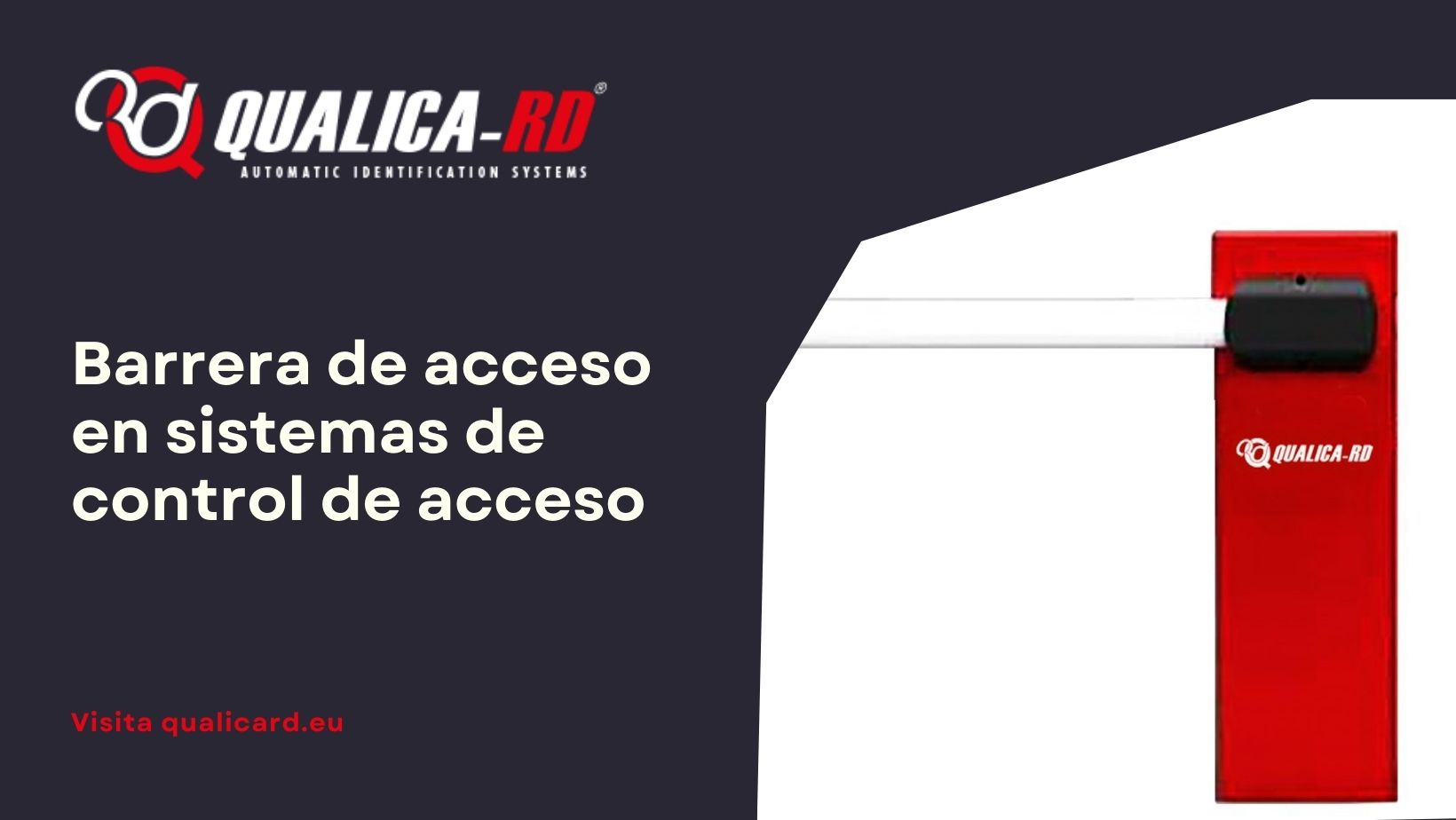
Access barrier in access control systems
La barrera de acceso en sistemas de control de acceso es uno…
Go to Post