
Business Hours: Monday to Thursday: 7:00 AM – 3:00 PM (Support until 5:00 PM) | Friday: 7:00 AM – 3:00 PM (Support until 2:30 PM)
(+34) 957 326 107
Business Hours: Monday to Thursday: 7:00 AM – 3:00 PM (Support until 5:00 PM) | Friday: 7:00 AM – 3:00 PM (Support until 2:30 PM)
Copyright © 2025 Qualicard. All Rights Reserved.


Technical Support
Exploring Access Control Systems: Security and Technology at the Service of Your Company or Event
March 14, 2024
Exploring Access Control Systems: Security and Technology at the Service of Your Company or Event – In a world where security and efficiency are paramount, access control systems present themselves as the ultimate solution for managing who enters and exits your facilities. Whether to safeguard a company’s assets or to ensure the smooth running of an event, these systems utilize the latest technology to provide you with the peace of mind you need. Join us on this journey as we explore how the proper implementation of an access control system can transform the security and operability of your workplace or event.
Introduction to Access Control Systems
In the modern era, where security has become an undisputed priority, access control systems emerge as key technological solutions to ensure the protection of our companies and events. These tools not only provide efficient control over who enters and exits our facilities, but also incorporate an additional layer of intelligence and adaptability to the specific needs of each environment.
The implementation of an access control system can vary from simple solutions, such as entry cards and numeric codes, to more advanced technologies, including biometrics and facial recognition. The choice of the appropriate system depends on several factors, such as the required level of security, the number of users, and the specific characteristics of the space to be protected.
Moreover, it is essential to highlight that the integration of these systems into an organization’s technological ecosystem brings benefits that go beyond physical security. From optimizing resources to improving data management and user experience, access control systems position themselves as fundamental allies in the pursuit of efficiency and security.
Types of Access Control Systems
In the vast world of security, Access Control Systems play a crucial role in ensuring protection in both business environments and events of various kinds. These technological solutions, designed to regulate access to restricted areas, diversify into a wide range of options, each tailored to specific needs. From traditional systems that use magnetic cards to modern solutions that incorporate biometric recognition and proximity technologies, choosing the right system can mean the difference between effective security and unwanted vulnerabilities.
Biometric systems, for example, offer a high level of security as they are based on unique characteristics of individuals, such as fingerprints, facial recognition, or the iris. On the other hand, access control systems based on proximity cards provide an effective option for environments where quick access is critical without sacrificing security. Likewise, innovative mobile access control technologies are beginning to gain ground, allowing users to use their mobile devices as virtual keys.
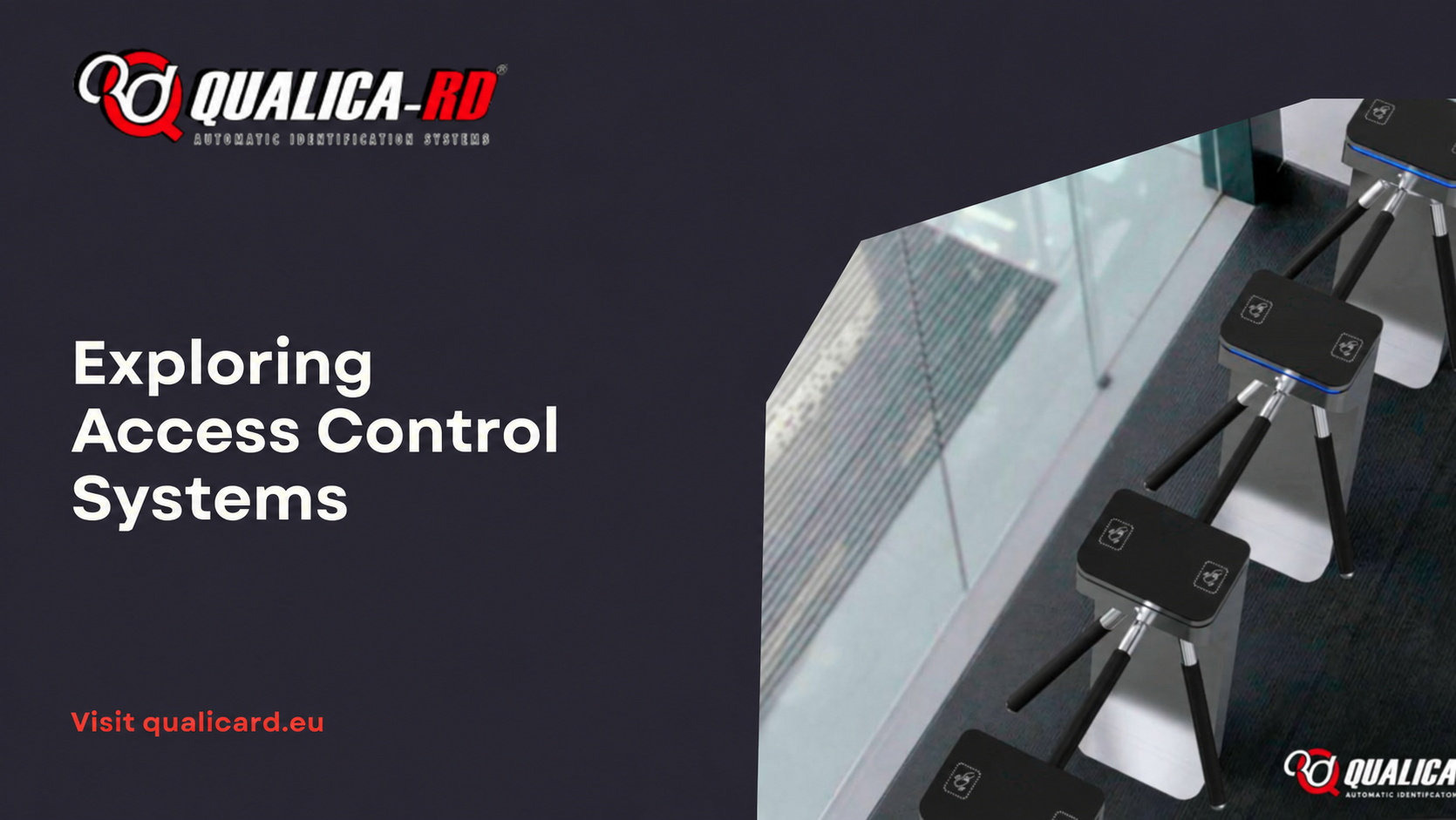
Selecting the type of access control system or Access Turnstiles that is most suitable requires a detailed analysis of the specific needs of the entity, considering factors such as the desired level of security, the flow of people to be controlled, and the integration with other existing security systems. Implementing an efficient access control system not only reinforces physical security but also contributes to creating a safe and orderly work or event environment.
Physical Access Control
Currently, Physical Access Control has become an integral part of security measures for companies and events. This system, designed to limit entry to physical spaces to unauthorized individuals, utilizes advanced technology to secure and protect facilities. From access cards to biometric systems, the variety of available solutions allows for customization according to the specific needs of each entity.
The implementation of Physical Access Control systems not only enhances security but also provides efficient management of the flow of people. This is particularly crucial in situations where it is essential to monitor and control who has access to certain areas, such as in the case of government institutions, corporations, and large-scale events. The ability of these systems to integrate with other security solutions further improves an organization’s capacity to protect its assets and its people.
Moreover, the constant evolution in Physical Access Control technology opens new possibilities for security and access management. Recent advancements, such as facial recognition and mobile solutions, not only elevate the level of security but also offer greater convenience and operational efficiency. These modern systems can adapt to the changing demands of security, ensuring that companies and events remain protected against emerging threats.
Electronic Access Control
In today’s era, where technology and security intertwine more closely than ever, Electronic Access Control has become a fundamental pillar for the protection of assets, both physical and digital, in companies and events. This system not only facilitates the management of who enters or exits a venue but also provides an additional layer of security by allowing constant and real-time monitoring of the facilities.
Advances in this area have led to the creation of increasingly sophisticated systems, ranging from access cards and numeric keypads to biometric technologies and facial recognition. These systems offer customizable solutions to the specific needs of each environment, ensuring that only authorized individuals can access restricted areas. Furthermore, the incorporation of wireless and cloud-based technologies has significantly simplified the installation and maintenance of these systems, making them accessible to a wide range of users.
The implementation of a robust Electronic Access Control system not only enhances physical security but also elevates the perception of safety among employees, customers, and visitors, creating a safer and more organized work environment. When considering the implementation or upgrade of such a system, it is essential to evaluate the specific security and operational requirements of the organization to select the solution that best fits its needs.
Benefits of Implementing an Access Control System in Your Company
Implementing an Access Control System in your company is not just a security measure, but also an intelligent strategy to improve management and operational efficiency. These systems allow for effective monitoring and control of access to facilities, ensuring that only authorized personnel can enter restricted areas. The advanced technology behind these systems offers a solution adaptable to the specific needs of each company, regardless of its size or sector.
Moreover, the implementation of such a system significantly reduces security risks, such as unauthorized access or the theft of confidential information. It optimizes the flow of employees and visitors, eliminating bottlenecks during peak hours and thereby improving overall productivity. The value of a safe and well-regulated work environment cannot be underestimated, where employees feel protected, contributing in turn to an increase in job satisfaction and talent retention.
The flexibility of current Access Control Systems allows for easy integration with other security and internal management systems, creating a complete and cohesive security ecosystem. Its ability to generate real-time reports and store historical data facilitates evidence-based decision-making, enabling dynamic operational adjustments that support business growth and innovation.
Improvement of Security and Privacy
In today’s digital age, security and privacy have become fundamental concerns for businesses of all sizes. Implementing effective strategies to protect data and the integrity of physical spaces is more crucial than ever. The improvement of security and privacy not only protects against external threats but also strengthens trust within the organization and among business partners. In this context, an effective solution lies in the adoption of access control systems, a measure that goes beyond simple management of entries and exits.
Modern access control systems provide an additional layer of security through the authentication and authorization of individuals, ensuring that only those with the appropriate permissions can access restricted areas. This customization of access not only enhances security by limiting exposure to potential risks but also significantly contributes to privacy, protecting sensitive information from being accessible to unauthorized personnel. Furthermore, the ability to monitor and record activity in real-time provides visibility and traceability complete, key elements for proactive security management and rapid response to any incident.
Therefore, investing in an advanced access control system is a strategic decision that drives security and privacy within the company. This improvement is not only a pillar for protection against threats but also strengthens the company’s reputation, an invaluable asset in today’s competitive market. Ultimately, adapting to innovative access control technologies is a step forward towards efficient management, a comprehensive security culture, and a firm commitment to protecting the company’s most valuable assets: its people, its information, and its infrastructure.
Operational Efficiency and Cost Reduction
The implementation of access control systems has become an essential strategy for improving operational efficiency and reducing costs in today’s companies. By automating entry and exit processes, these systems not only provide a higher level of security but also streamline daily operations, allowing for more effective control over resources.
With the adoption of advanced technology, such systems facilitate access management, eliminating the need for manual supervision and significantly reducing the margin of error. This automation leads to a time optimization and an improvement in personnel allocation, contributing to a more efficient management of working time and a notable reduction in operational costs.
Moreover, the integration capability of these systems with other technological platforms expands their impact on operational efficiency. It allows for the creation of safer and more productive work environments, where accessibility can be controlled precisely, adjusting access levels according to the specific needs of each area or department, and consequently improving internal coordination and communication.
In conclusion, the implementation of access control systems is not just a security measure, but a strategic investment that enhances operational efficiency and contributes to cost reduction in the corporate environment. Its ability to adapt and respond to the changing needs of a company ensures that it continues to provide long-term benefits, facilitating sustainable and competitive growth.
Use Cases: Events and Companies
The access control systems play a crucial role in both events and companies, providing security and operational efficiency. In the context of events, these systems can effectively manage the entry of attendees, ensuring that only those with authorization can access designated areas. This not only improves security but also optimizes the attendee experience, avoiding crowding and facilitating the flow of people.
On the other hand, in the business sector, access control systems are essential for protecting assets and ensuring the safety of employees. They allow for monitoring and controlling who enters and exits the facilities, providing a detailed record of activity. Furthermore, these systems can be configured to restrict access to specific areas within a company, ensuring that only authorized personnel can enter sensitive or high-security zones.
The implementation of these systems offers tangible benefits, such as reducing security risks and increasing operational efficiency. At events, they facilitate crowd management and access to services, while in companies, they strengthen perimeter security and protect sensitive data. Thus, both at events and in companies, the adoption of access control systems represents a step forward towards modernization and optimization of security management.
How to Choose the Right Access Control System
When choosing the right access control system, it is essential to consider the integration of the software with other security systems, such as video surveillance and visitor management. This integration offers centralized security management and facilitates the identification of suspicious events by correlating live images with access records. Additionally, it allows for the adoption of emerging technologies, such as facial recognition, which can further enhance security. Proper installation and maintenance are crucial to ensure the long-term effectiveness of the system, and it is advisable to have trained professionals for these purposes. It is also important to consider costs, both initial and long-term, including hardware, software, maintenance, and updates.
When it comes to readers, it is vital to choose those that fit the specific security and traffic needs of your company. Biometric readers offer high security by validating unique identities, such as fingerprints or facial recognition, but they can be more expensive. Mobile credential readers, increasingly popular, require devices compatible with BLE, NFC, or WiFi. Multifactor readers combine various verification technologies for enhanced security. The choice should also consider the communication protocols between readers and controllers, such as Wiegand and OSDP, the latter offering greater cybersecurity and advanced functionalities. Finally, the type of reader mounting (on wall, thin base, or keyboards) will also influence the decision, based on the available space and the specific needs of the access point.
Share
Related News
-
-
-
 Distributors Meeting 2024 17 Nov
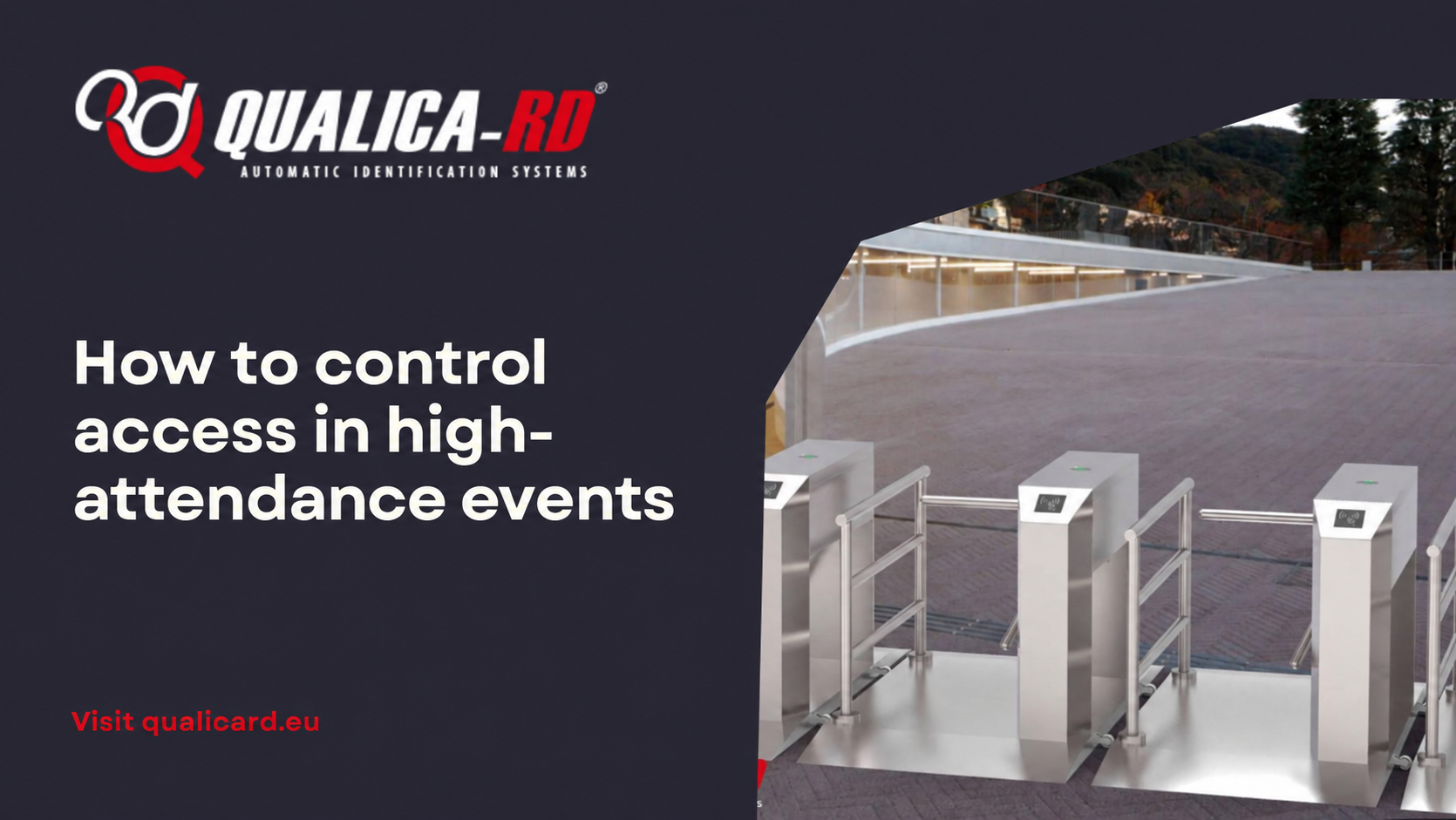
How to control access in high-attendance events
How to control access at high-attendance events: complete guide Organizing events with…
Go to Post
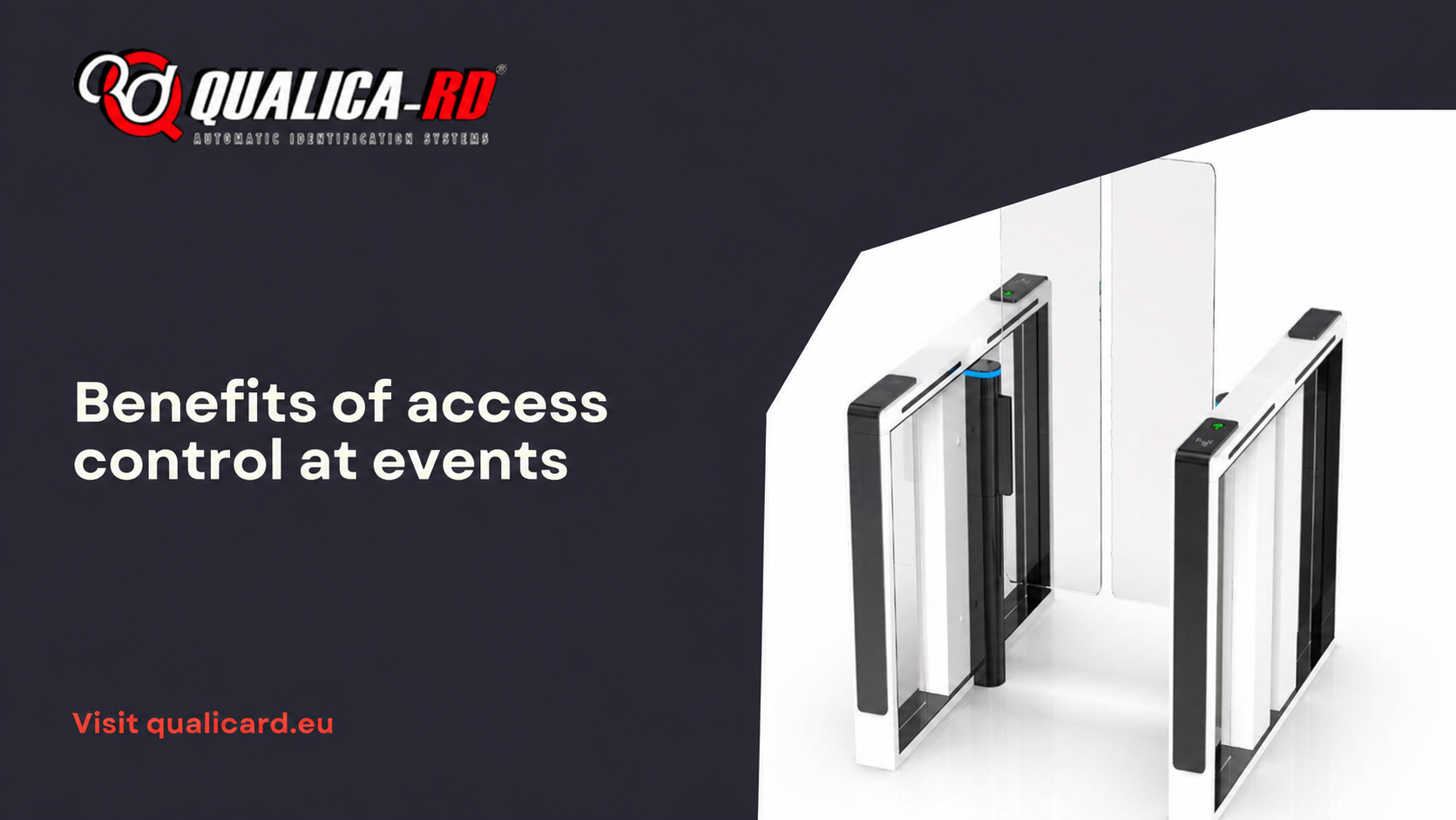
Advantages of access control at events
Advantages of access control at events: Security and organization at their best…
Go to Post

Distributors Meeting 2024
NOVEMBER 26-27, 2024 – Qualica-RD Meeting Distributors 2024 Dear Distributor, We are…
Go to Post